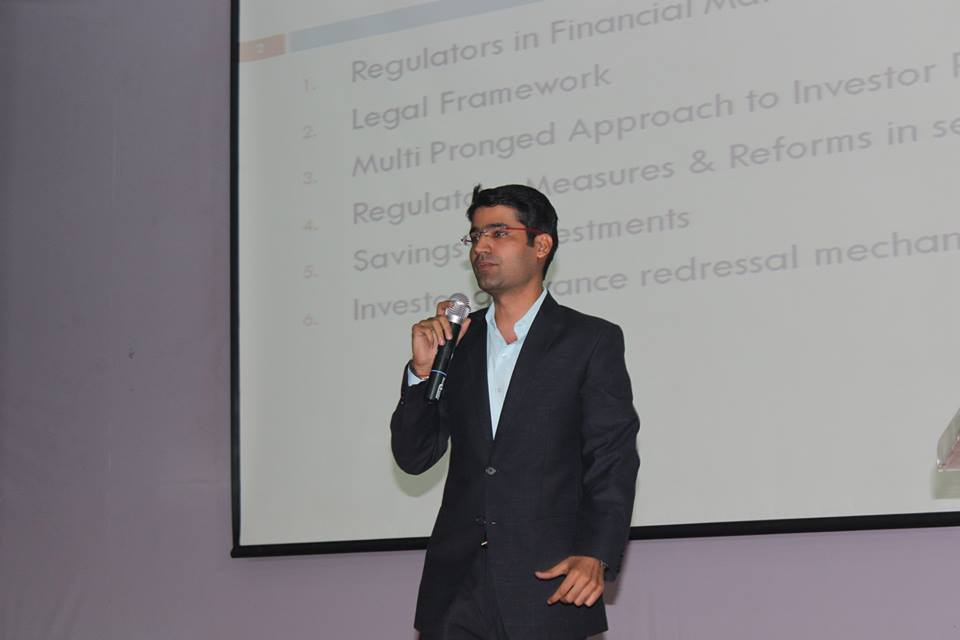
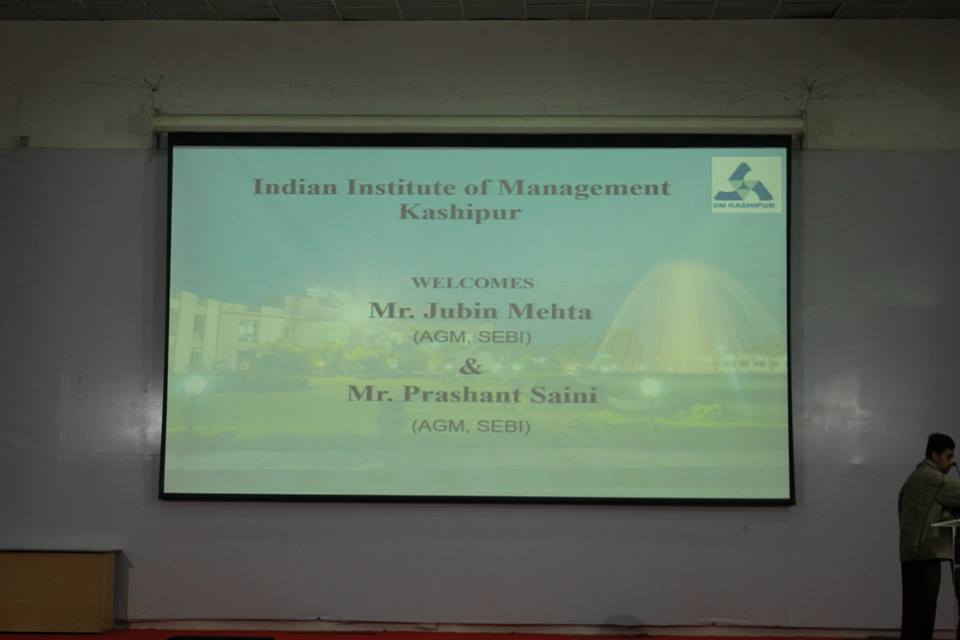
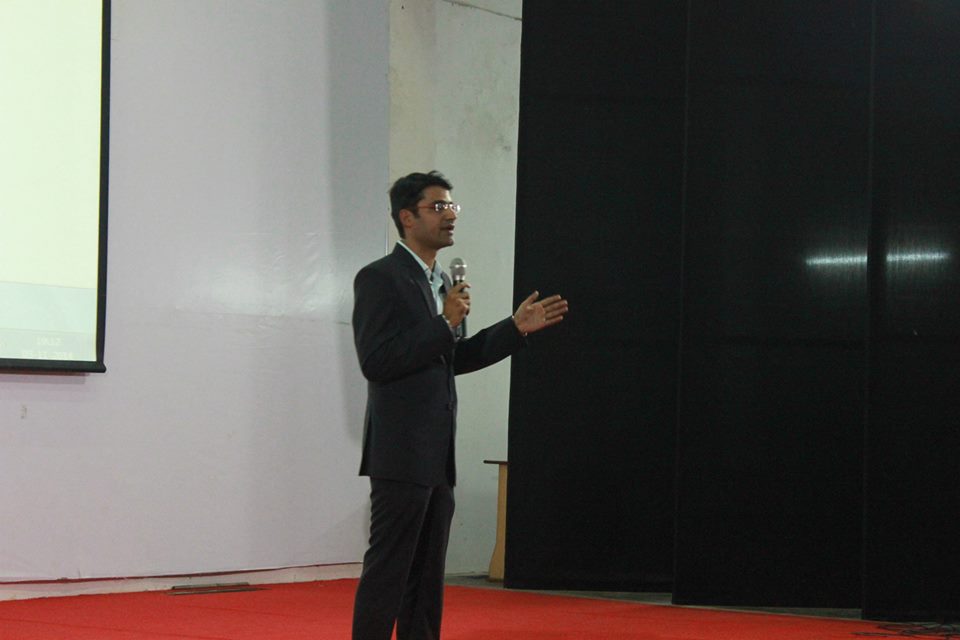
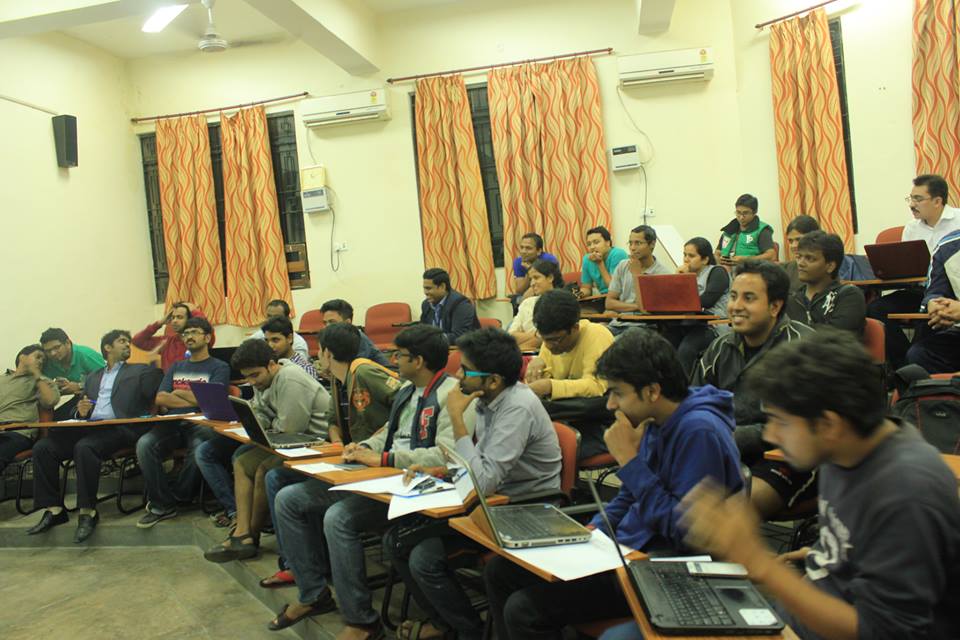
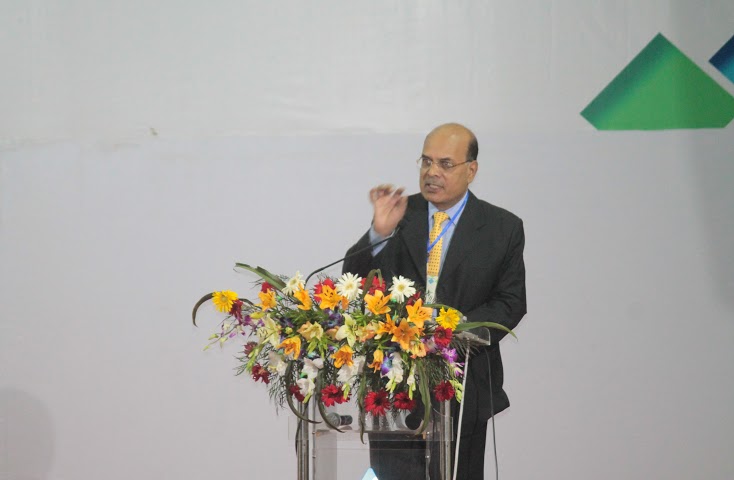
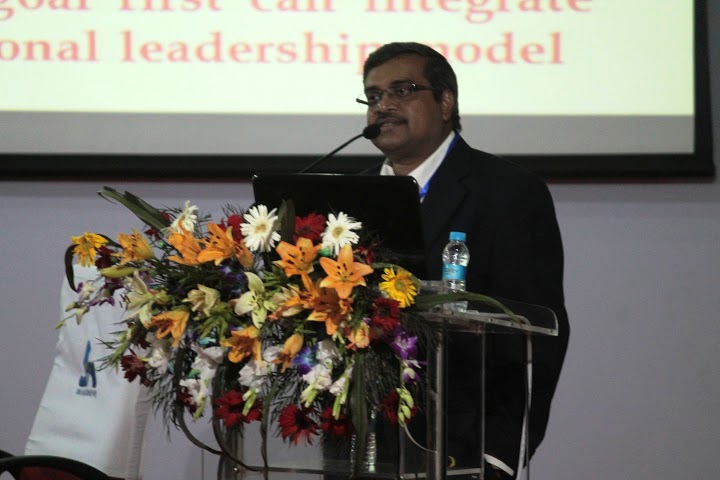
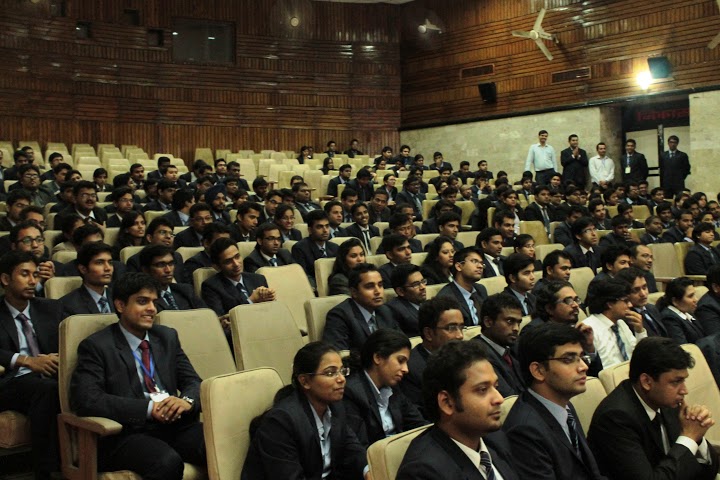
IIM Kashipur welcomed Mr. Jubin Mehta, AGM SEBI and Mr. Prashant Saini, AGM SEBI. A financial awareness workshop was organised to discuss investor awareness and how investment will lead to the growth of the economy. Mr. Mehta shared his experience with SEBI and how SEBI acts as a regulator whose first priority is looking after the interests of the investor.
Author: iimkashipurblog
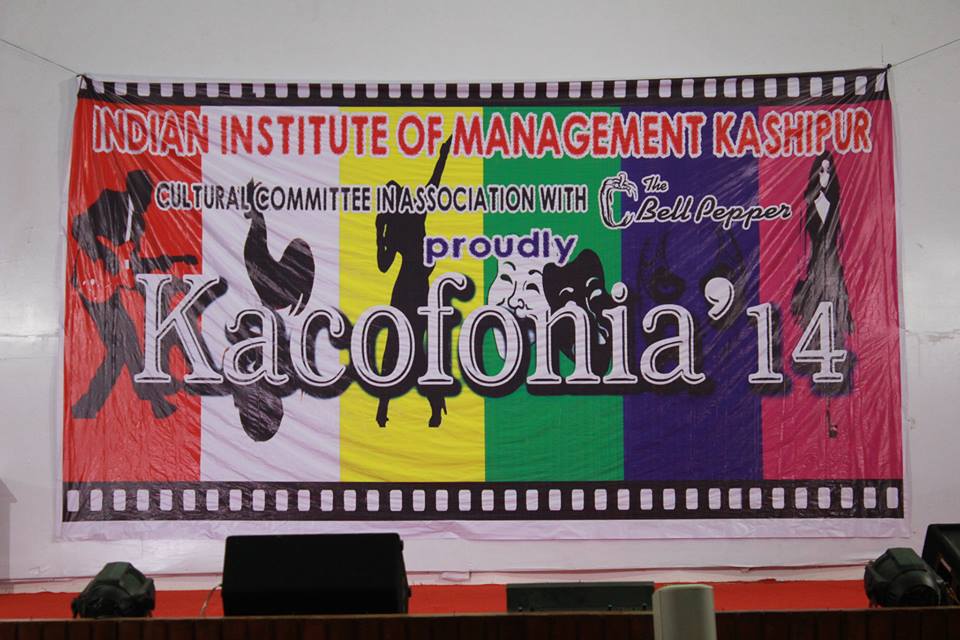
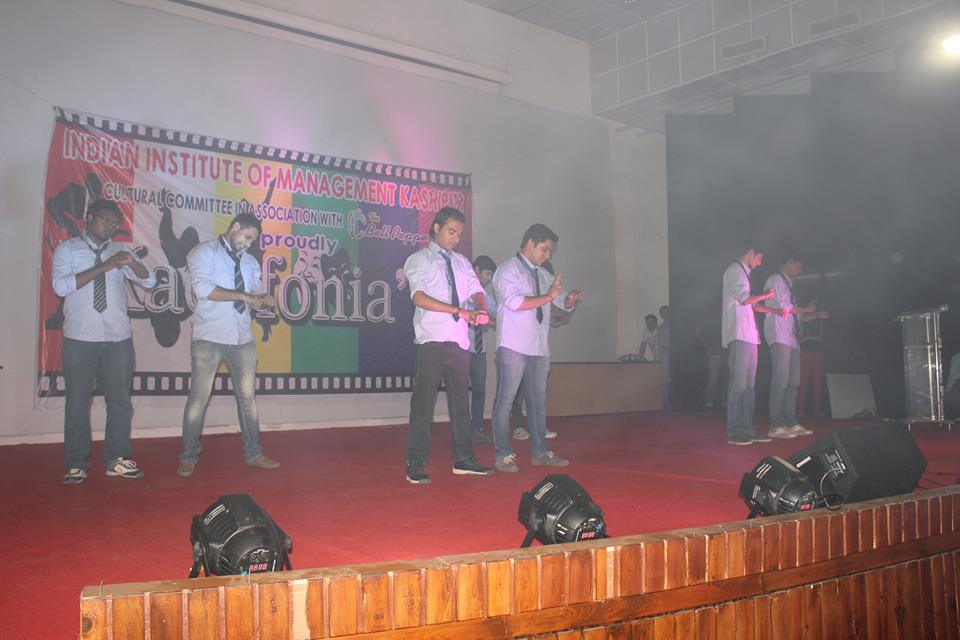
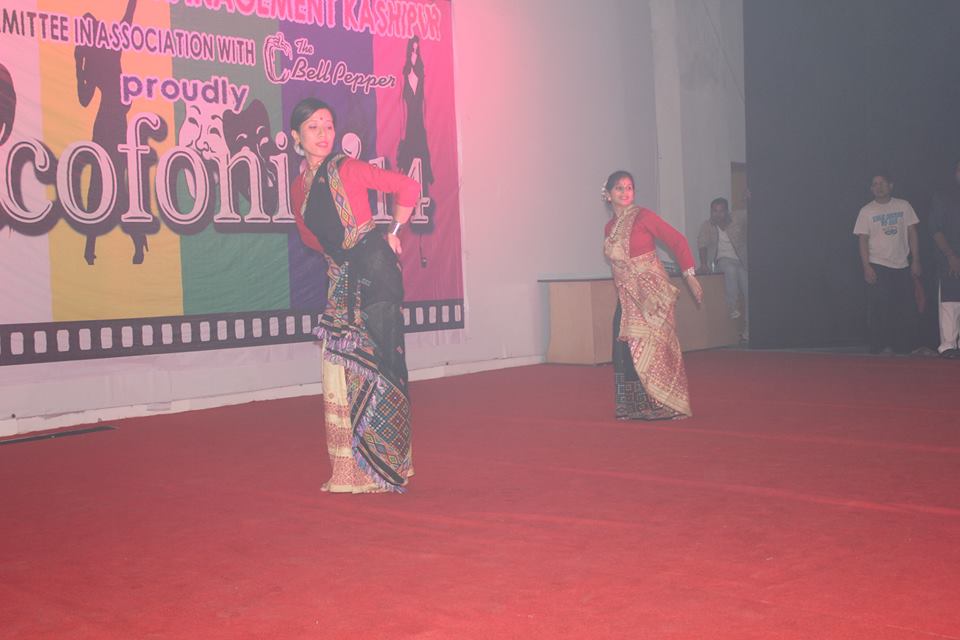
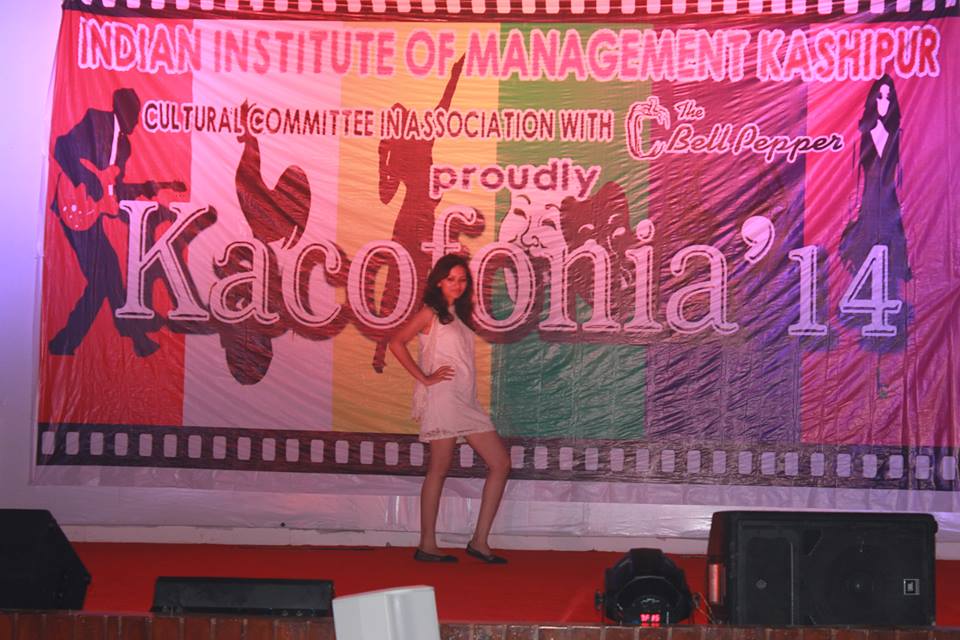
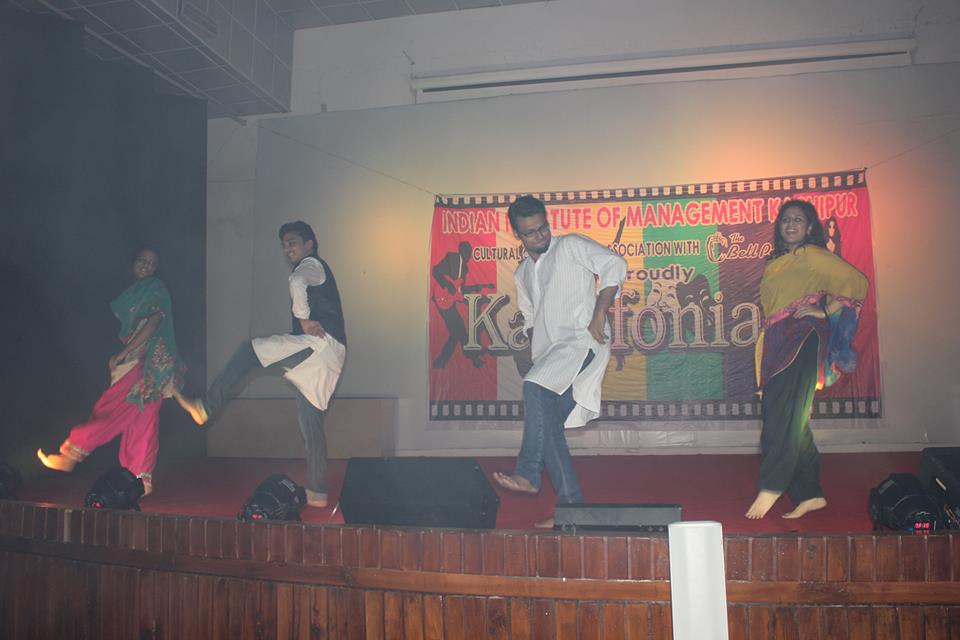
KACOFONIA 2014
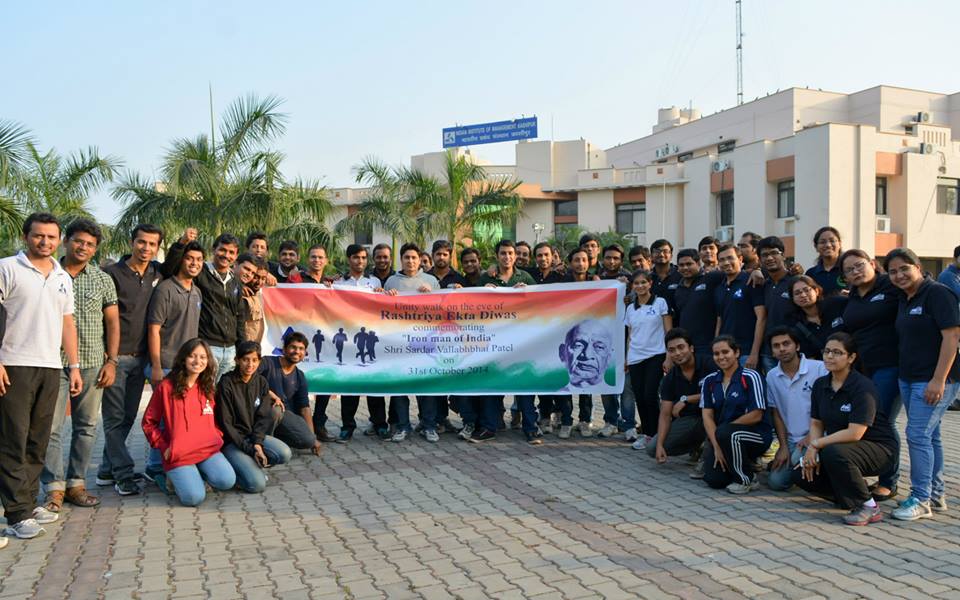
IIM Kashipur celebrates Rashtriya Ekta Diwas (National Unity Day)
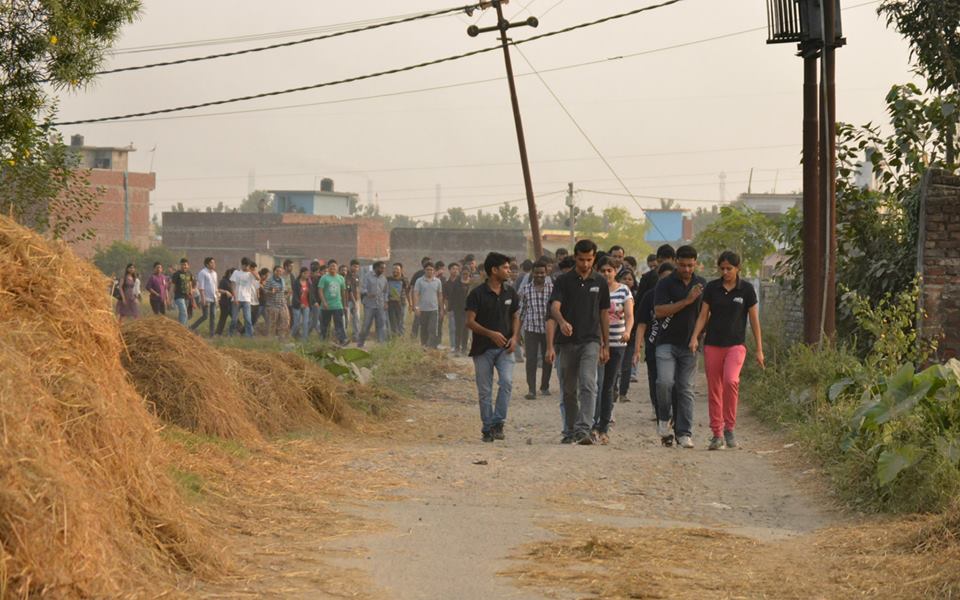
In the morning the faculty, students and staff alike took an unity pledge to preserve and promote the unity and integrity of this great nation. In the evening there was a Run/Walk for Unity from IIM Kashipur current campus to IIM Kashipur new campus followed by an insightful and energetic #DebateCompetition on the theme ‘National Safety, Security and Unity’
Kashipur Premier League Auctions
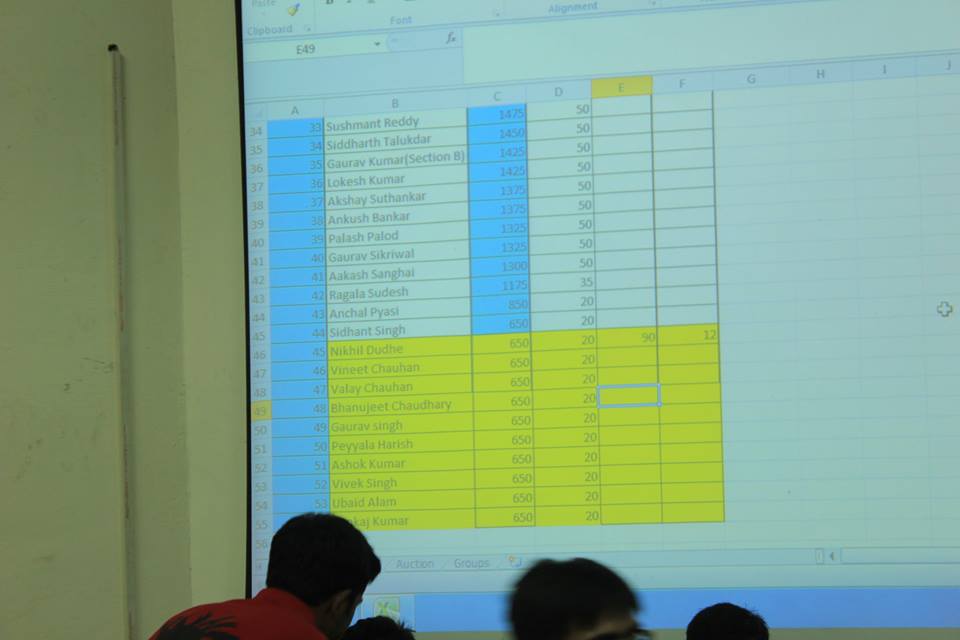
Sports committee of IIM Kashipur is organizing its yearly badminton tournament, Kashipur Premier League. The bidding process took place today in which 12 team owners from both senior and junior batch, cast their bids for over 60 participating players. The players were seeded on the basis of their performance in the trials. With Avinash and Kiran taking the top two seeds in the boys and Divya and Natasha in the girls.
The one of its kind auction saw great response for the top seeds. Kiran seeded two in boys was sold for 590, while Avinash the top seed was sold for 570. In girls, the top seed Divya attracted a bid of 470. 59 players were sold to 12 teams. While each team was given only 1000 rupees to buy their players, there was significant amount of cross bidding and enthusiasm within the team owners to get the best line up for their teams. The managers and owners came up with a lot of preparation and this was evident from the aggressive bidding that took place today.
The twelve teams will be divided into groups of 3 for the round robin stages which starts next week. Each team from a group will then come for the finals stages where 4 teams will fight for ultimate glory; Kashipur Premier league.
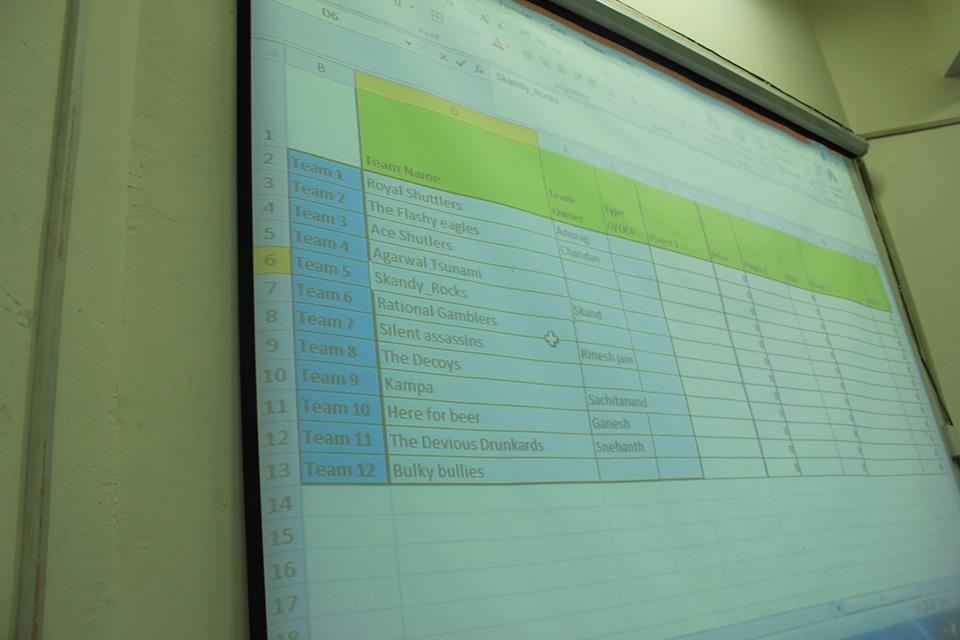
Here are the 12 Teams that will compete in the league:
1. Royal Shuttlers
2. The Flashy eagles
3. Ace Shutlers
4. Agarwal Tsunami
5. Skandy_Rocks
6. Rational Gamblers
7. Silent assassins
8. The Decoys
9. Kampa
10. Here for beer
11. The Devious Drunkards
12. Bulky bullies
All the best. Let the games begin!
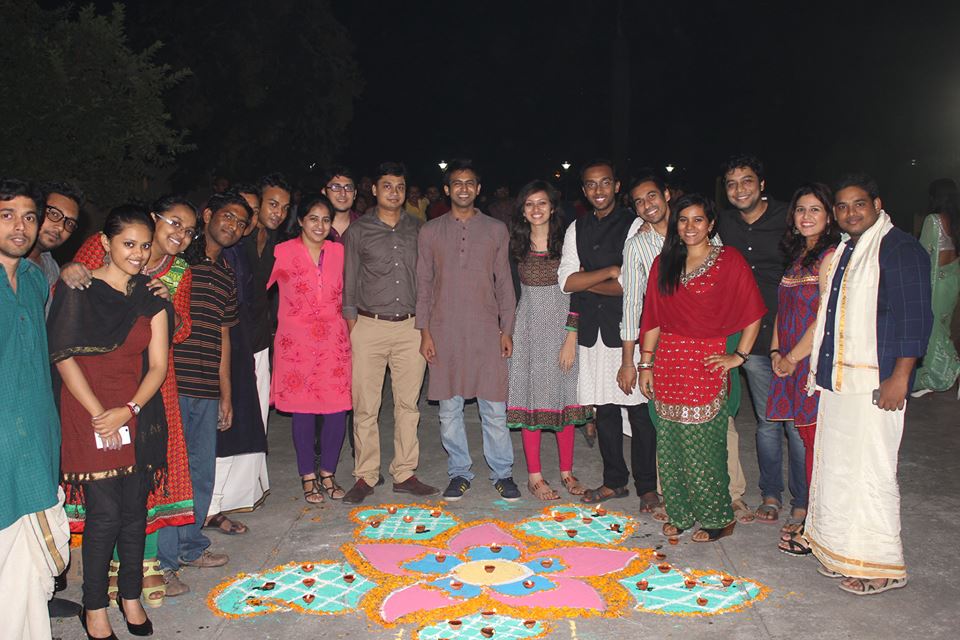
Diwali celebration at IIM Kashipur
IIM Kashipur Leadership Conclave 2014 – Day 2
The second day of IIM Kashipur Leadership Conclave started on the same enthusiastic note that it ended on, on the first day. This is IIM Kashipur’s flagship event and attracts industry bigwigs from various fields every year. A keynote speech by Mr Sudhanshu Tripathi (Group President (HR), Hinduja Group Limited) marked the beginning of the second day of the event whose theme was Industry-Academia Collaboration.

He directed the discussion on leadership assuming a long term perspective and discussed the impact of political and economic changes on the industry. He discussed about bridging the gap between personal and organization goals and about the importance of being a good follower in order to be a good leader.

This enlightening speech was followed by an equally engrossing one by Mr Shantanu Das (Vice President (HR), Emami Ltd) who gave the key note speech on the topic “Leadership Dilemma” and familiarized the students about the three tenets of leadership – credibility, reliability and self-orientation. He shared with students, the various leadership dilemmas that they may face in their career and a leadership framework that could be used in such scenarios.

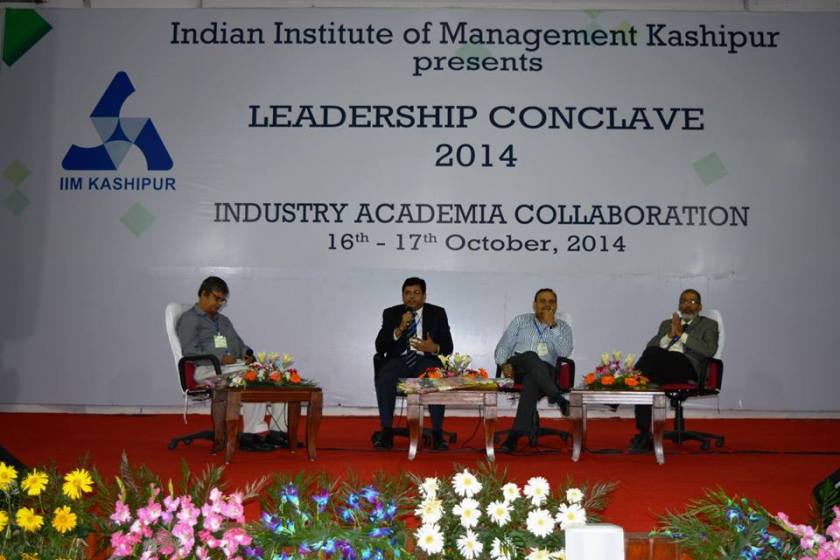
It was followed by a panel discussion on the same topic with Mr Gitan Shah (Assistant VP, Mphasis), Mr Peshwa Acharya (Founder and CEO, Think As Consumer), Mr Pramod Joshi (Managing Director, Syncata), Mr Vineet Jain (DGM, HCL Technology). The panel discussed at length about the array of choices that a leader faces in corporate world and how important it is to maintain character when in a moral dilemma. The event had plenty of Q&A sessions, where the students got an opportunity to interact personally with the guests and clarify their queries about each topic.


The students were delighted to have close interactions with such reputed personalities from the world of industry. The corporates too were really happy to share their thoughts with the next generation of managers and industry leaders. The event concluded with both the industry and academia getting a glance into each other’s areas of operation and came closer to understanding each other’s dilemmas and issues and working on bridging the gaps to ensure a smooth transition.
IIM Kashipur Leadership Conclave 2014 – Day 1
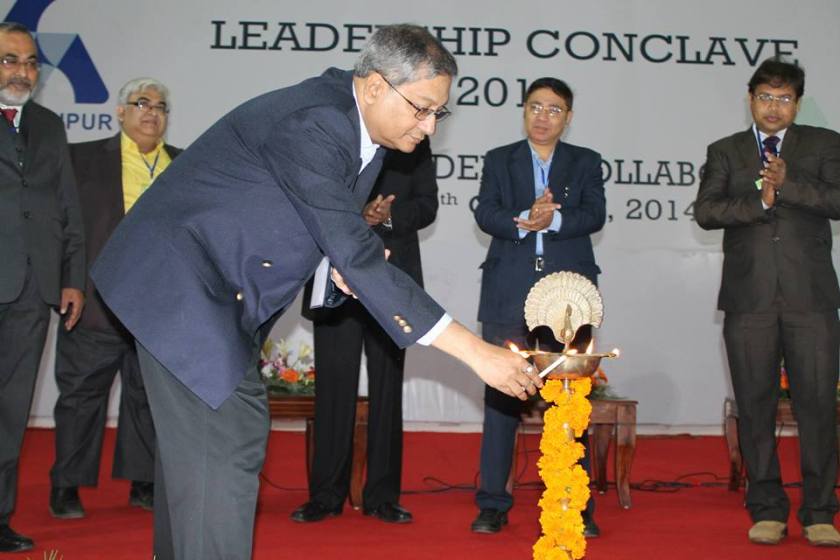
The Indian Institute of Management Kashipur today hosted the first day of ‘Leadership Conclave 2014’ in its newly refurbished state-of-the-art auditorium. The Conclave provides a platform for interaction and mutual exchange of ideas and knowledge between the industry and the academia.

Addressing the gathering, Dr. Gautam Sinha, its Director, raised issues that needed to be addressed in the Conclave so as to be able to bridge gap between managerial theory and practice and issues pertaining to managerial leadership relevant in today’s dynamic business environment.
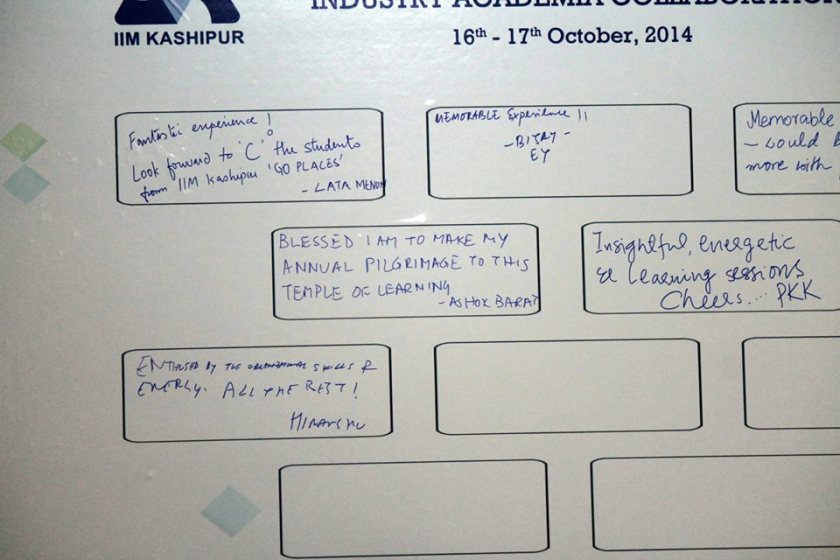
Mr. Ashok Barat (MD & CEO, Forbes Limited) in his inaugural address, raised concerns about the challenges faced by the industry and its implications in terms of supply of Managers to it. Speaking on the occasion, he stated that, “The students of IIM Kashipur are the perfect material for us, however, the industrial society expects much more from management students, more specifically their knowledge converted into skills, and skills into capabilities, so that they emerge as leaders and achieve holistic growth”.


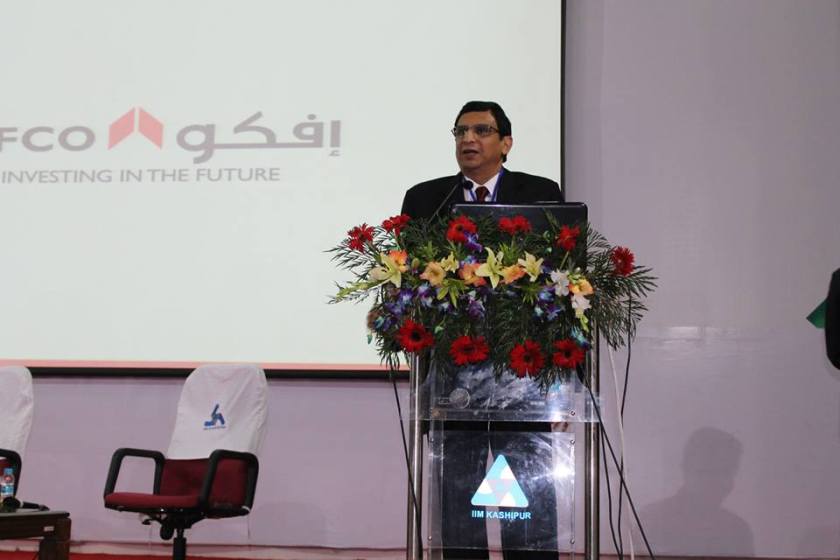
Key note address entitled ‘Bridging the Expectation Gap’, by Mr. Jerome Varman, (Group Director Supply Chain, IFFCO) focused upon the fundamental changes that happened in the industry in key dimensions because of innovation and technology and the way it changed industry demands. This followed a panel discussion by Ms Lata Menon (Senior Vice President and Head HR, India and Srilanka, CLM Business Unit), Mr Amitava Ghosh, (COO, NIS Sparta) and Mr Bijay Sahoo (Principal consultant Ernst & Young) that emphasised on the core values that industry seeks, like communication, competence, credibility and collaboration. The session was moderated by Dr. Somnath Ghosh (Dean of Academics, IIM Kashipur). It not only talked about what the industry demands from students, but what students demand out of industry, more specifically in terms of growth opportunities.

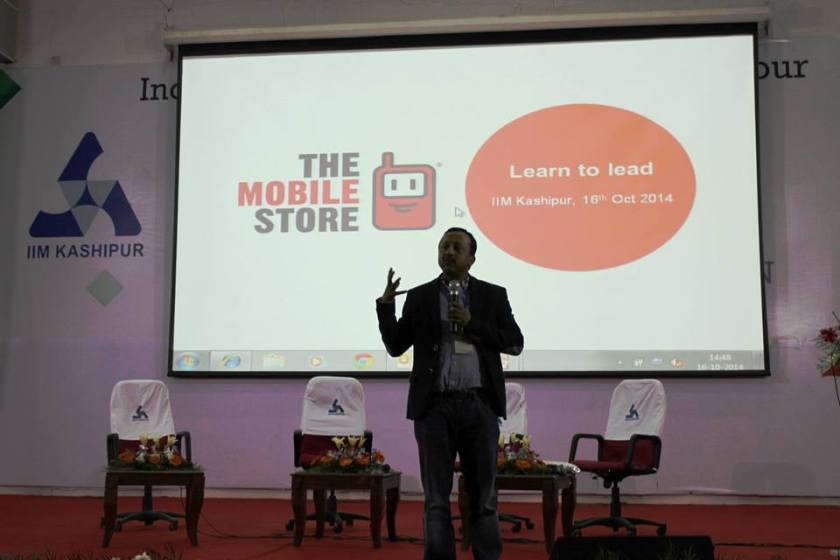
The address by Mr Himanshu Chakrawarti (CEO, The Mobile Store) recounted how quickly e-commerce, in specific and internet in general, is taking the proverbial cheese away from the old-school professionals and stressed upon the need for them to adapt to the change.

The final panel discussion was moderated by Dr. Kampan Mukherjee (Professor, IIM Kashipur) and had Mr. Praveen Kamanth (Global Head of Talent Transformation, KPO division, Wipro Corporation), Mr Anil Menon (Chief People Officer, Ezone and Home Town) and Dr. Abinash Panda (Professor, IIM Kashipur) in which they talked on the topic – ‘Learn to Lead’. The discussion covered significant nuances of how leadership, unlike the age-old belief, can be inculcated and nourished among individuals and also how it can be embellished in case of those who already had the proverbial spark.

The students left the auditorium with plenty of food for thought and an eagerness to attend the second day of the conclave, to listen to fresh ideas and perspectives.
Swachh Bharat Mission
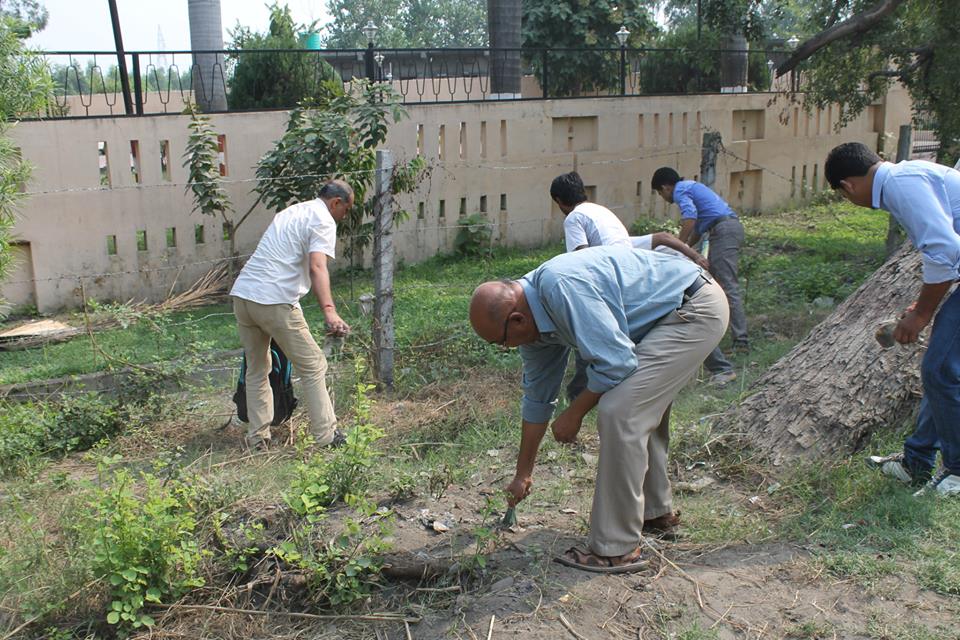
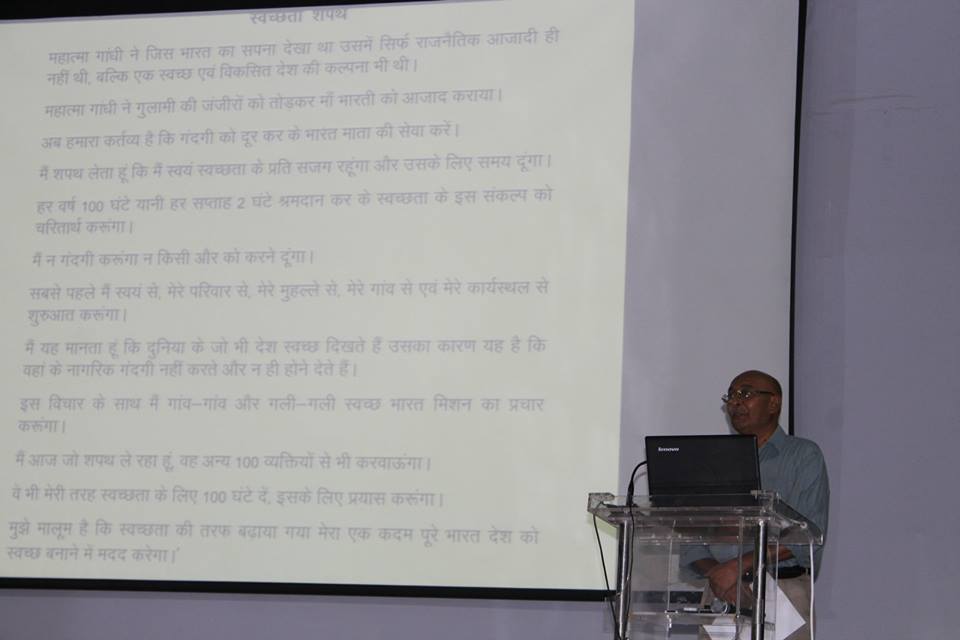
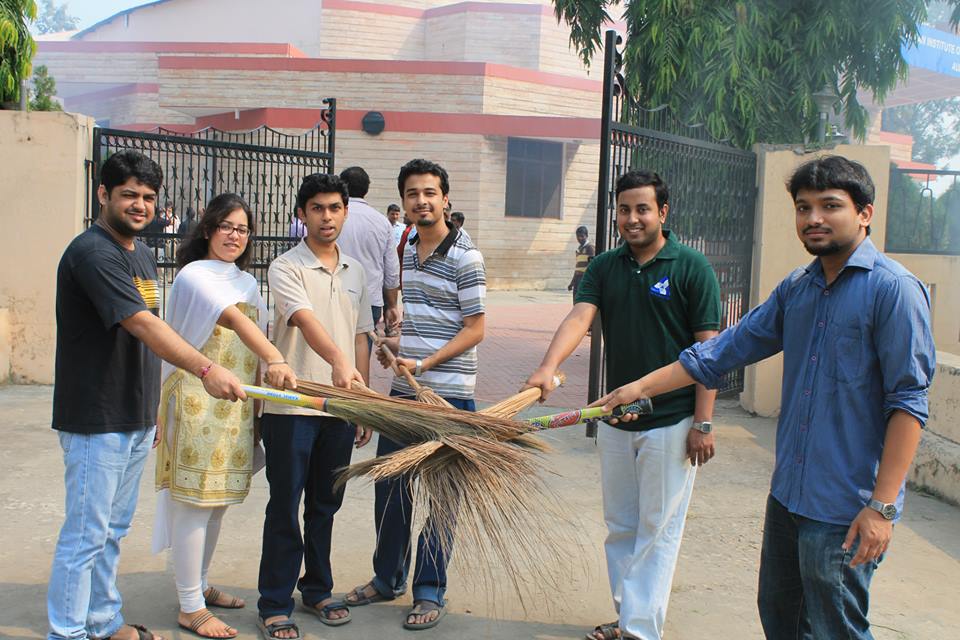
Be the change that you wish to see in the world”, said one of the most influential people to have ever graced this earth – Mahatma Gandhi. To celebrate the values that he practiced as much as he preached, on the occasion of what would have been his 145th birth anniversary, IIM Kashipur took up brooms to participate in the Swachh Bharat Mission today. Dr. Somnath Ghosh, Dean Academics, IIM Kashipur administered a pledge to the faculty, staff and students of the institute which promised that they would devote some time to maintaining the cleanliness of their environment daily. Post this, the faculty and students alike took up brooms and took to the nearby areas to clean them. Garbage bins were posted at intervals and all the litter was properly disposed of.
Cause-Effect Relationships – The ToC Way
Theory of Constraints is a breakthrough and powerful management philosophy that has evolved in the past couple of decades along with other new-age concepts like TQM, JIT, re-engineering and the learning organization.
This article has been adapted from the bestselling book Critical Chain by Dr. Eli M. Goldratt, an internationally recognized industry guru and the originator of the Theory of Constraints (or ToC). This book is one of many business novels written by Dr. Goldratt through which he has transformed and revolutionalized the thinking and actions of management throughout the world.
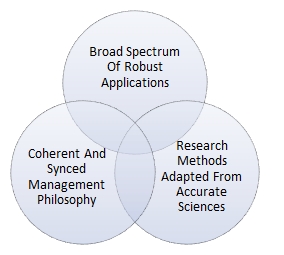
Theory of Constraints is a breakthrough and powerful management philosophy that has evolved in the past couple of decades along with other new-age concepts like TQM, JIT, re-engineering and the learning organization. By complimenting these other philosophies with its clarity and systematic analytical methods, ToC boasts of the following merits:
Now, in layman’s terms, let’s understand the approach of ToC in resolving cause-effect relationships. For instance, what are some of the biggest problem faced by managers today? These include:
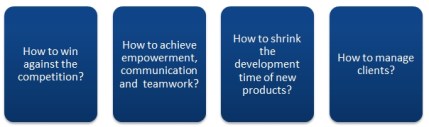
ToC regards that problems such as the ones stated above are just symptoms. It claims that they all stem from one single core problem. Let’s delve into detail on this conclusion.
One assumption or observation in the ToC universe is that most managers want to manage well. In order to manage well, managers must ensure that the right products reach the right clients at the right time and in the right quantity. There are two absolutely necessary conditions to achieve effective and efficient management.
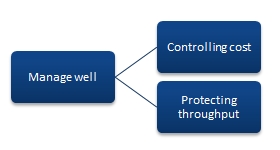
Each of these conditions, controlling cost and protecting throughput, implies a different mode of management. Let us understand this through an analogy. Let’s view a company as a physical chain with many links. You are the President in charge of the entire chain.
In our chain, the closest thing related to cost will be weight. And one way to determine the total cost of the organization is to sum up the weights of all the links. Now, if I am a manager in charge of a specific department, a specific link in the company, then to improve my link the obvious thing to do is to make it a few grams lighter. However, as President you are not interested merely in my link; you are interested in the whole chain. But when I reduce the weight of a link, the entire chain becomes lighter by that amount.

This analogy implies a management philosophy. It implies that any local improvement automatically translates into an improvement of the overall organization. Hence, any global improvement can be achieved by inducing many local improvements. Let us call this management philosophy the ‘Cost World’. Most organizations today function on the principles of the cost world.
Now, let us examine throughput (or flow) through the same analogy. What is the equivalent of throughput in our physical chain? It is the strength of the chain. If one link, just one link in our chain breaks, what happens to the strength of the chain? It drops to zero. This indicates that when we deal with throughput, it is not just the links that are important; the linkages are equally important.
Intuitively, it follows that the strength of the chain (or throughput of the Company) is determined by the weakest link in the chain. And obviously, there can be only one “weakest” link in a chain at a time
Now, let’s see what this implies. If you are still the President in charge of the entire chain and I’m still in charge of just one department (let’s take the more general case where I’m in charge of a department that is not the weakest link). If I make my link stronger, do I improve the strength of your chain? The answer is … absolutely not!
This leads us to another management philosophy which we shall call the ‘Throughput World’. The throughput world says that most local improvements do not contribute to global improvements. The way to improve the total organization is definitely not achieved by inducing many local improvements.
Considering these two contradicting philosophies, the next obvious question is – Can we manage according to both worlds at the same time? The answer is NO. There is no compromise between the cost world and the throughput world. Not even theoretically. In academia we don’t call it compromise, we call it optimize. To understand why we cannot optimize between the two worlds, we need to first understand an important concept called Focusing.
Any improvement in a company requires basically 3 resources:
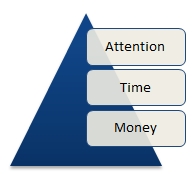
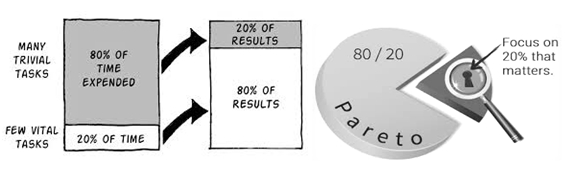
It is important for a manager to know where to focus his resources. A manager who does not know how to focus will not succeed in controlling cost and will not protect throughput. In Statistics, we have come to know Focusing through a tool called the Pareto Principle. Focus on solving 20% of the important problems and you’ll reap 80% of the benefits. But those who teach statistics know that the 80-20 rule applies only to systems composed of independent variables; it applies only to the Cost World where each link is managed individually.
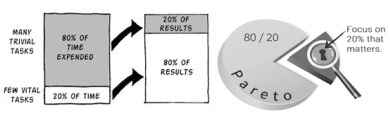
Where linkages are important and the variables are dependent, the Pareto principle is not applicable. So how can we find out on what to focus in the Throughput World? Well, it’s simpler than expected. Just think about the chain and the fact that its strength is determined by its weakest link. If you want to strengthen the chain, the first thing is to find the weakest link.
This leads us to the 5 stages of Focusing as per Theory of Constraints:
Step 1: Identify the system’s constraint(s)
Step 2: Decide how to Exploit the system’s constraint(s)
Step 3: Subordinate everything else to the above decision
Step 4: Elevate the systems’ constraint(s)
Step 5: Avoid Inertia and go back to step one
The above steps are also called the Process Of On-Going Improvement or POOGI. Simply put, it means that once we find a bottleneck, we need to strengthen or improve it. Now, as per the intuition of the throughput world, we should not produce at the non-bottleneck resource any more than we can squeeze out of the bottleneck resource. If we want to increase throughput, we must then lift some of the load from the bottleneck by buying more machines or hiring more people, whichever may be suitable. The logic here is impeccable as well as intuitive. Once the bottleneck is strengthened enough it no longer remains the constraint resource and we must move on to the next bottleneck. And this is the process to focus in the Throughput World.
This learning will now help us understand easily why there is no acceptable compromise between the cost world and the throughput world. Imagine that I am still in charge of the department that is not the weakest link. As per ToC, I must now subordinate my process to that of the constraint resource, forcing me to operate at sub-optimal efficiencies. And in industry, which is governed on the principle of maximizing efficiency, this would be a sure shot way to get oneself fired out of a job.
Do you understand what this means? It means that your intuition lies in the throughput world and in this world the answer is ‘don’t dare to produce more than the constraint resource’. But your performance measuring systems are in the cost world that wants you to reach maximum local efficiency. And therefore, there is no compromise. If one tries to optimize this conflict between the 2 worlds, both worlds will kill him.
The Theory of Constraints firmly believes that there are no inherent CONFLICTS. As mentioned before, ToC is derived from the accurate sciences. And in the accurate sciences, what do scientists do when they face a conflict? Their reaction is very different to that of managers. While we try to find an acceptable compromise, this thought never crosses their minds. Their starting point will never allow it; they don’t accept that conflicts exist in reality.
So, no matter how well the two methods (cost world & throughput world) are accepted, the scientists’ instinctive conclusion will be that there is a faulty assumption underlying one of the methods used. All their energy will be focused on finding that faulty assumption and correcting it.
Can we do the same in our Cost World vs. Throughput World scenario? Can we eliminate the conflict and emerge at a win-win? Think about it. We will elaborate more on this in our next post.
Rishi Varma
OSM
Is Market Share still a Competitive Edge?
You might be bemused how our cows became relevant to businesses, that too when the matrix originated in the West. Yes, we are talking of the BCG’s growth-share matrix which is considered so much relevant for the adequate allocation of resources to exploit the growth opportunities.
If you are hearing to a strategy class in any of the B-schools, you are bound to get past this framework which talks of cows, dogs, cash and finally a question mark. You might be bemused how our cows became relevant to businesses, that too when the matrix originated in the West. Yes, we are talking of the BCG’s growth-share matrix which is considered so much relevant for the adequate allocation of resources to exploit the growth opportunities.
Rather than describing the nitty-gritty of this matrix, which you are so much cognizant of, we would like to share our views regarding the relevance of its two measures, especially in today’s context. We are afraid, the two measures of competitiveness, more specifically the market share axis, seem to have lost its pertinence.
Let’s analyze this with the two, not-so-old developments. Take Nokia, with such a huge market share during its heyday, and a high growth, it would have been shining as a star, enjoying an indomitable position vis-a-vis its peers. Or at least as it matured, it would be peacefully sleeping like a cow, with eyes wide open, seeing its competitors struggle and chewing the dollars cashing in. Aghast! Its situation is so contrary. With its operations around the world, assets in the shape of factories, R&D investments, probably patents too, it got bought by our most omnipresent OS provider for a mere $7.2 billion, who hardly had any grasp over mobile handset business.
On the contrary, check the valuation of your new messaging tool, hey Whats-app!, it’s worth $19 billion without a factory or an assembly line and other physical assets. Isn’t technology more prominent than market share? There is definitely a next big thing being designed as you read this, so Whatsapp don’t sleep like a cow or be complacent of your shining stars. Businesses are evolving fast, your market share might not be the true testimony of your sustainability in the future. So should we evolve the BCG ‘growth-share’ matrix to ‘growth-technology’ matrix?
Blessen Mathai
Consilium