Demystifying Stock Market and Economics

Few lingering questions which every common investor has in his mind are how can the stock markets and the economy growth move in the opposite direction? Will the market crash due to poor economic growth anytime?

While the Covid-19 pandemic forced all economic activities to a total halt, pushing major economies into a recession, the markets around the world on the other hand had a mixed response showing a steep fall during the initial pandemic breakout and steadily recovering over time to race all-time highs in Indian and US exchanges.

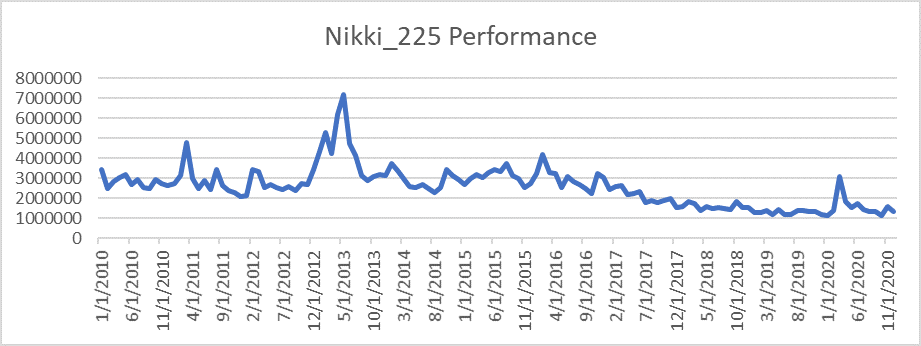
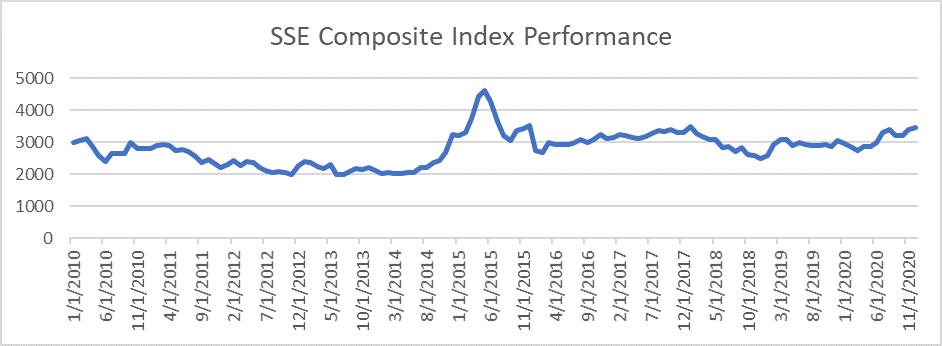
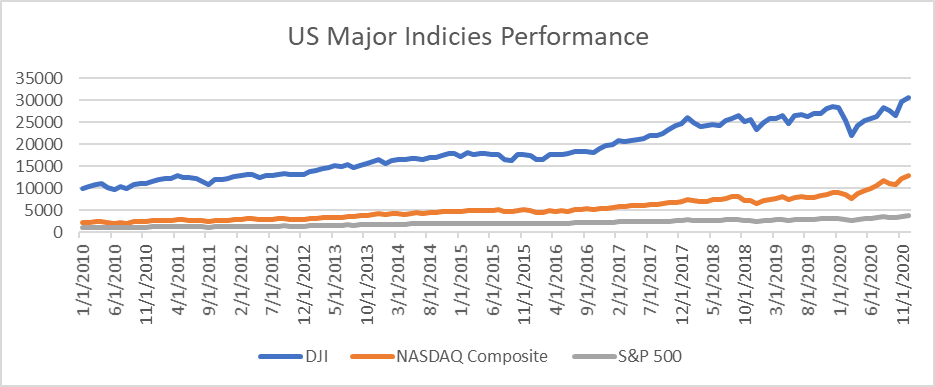
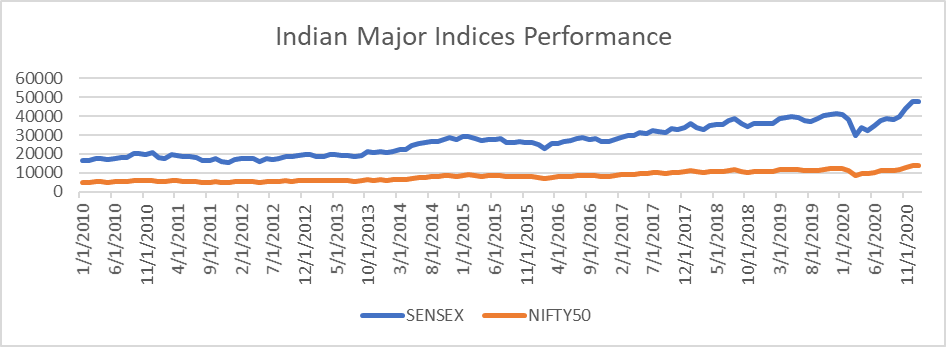
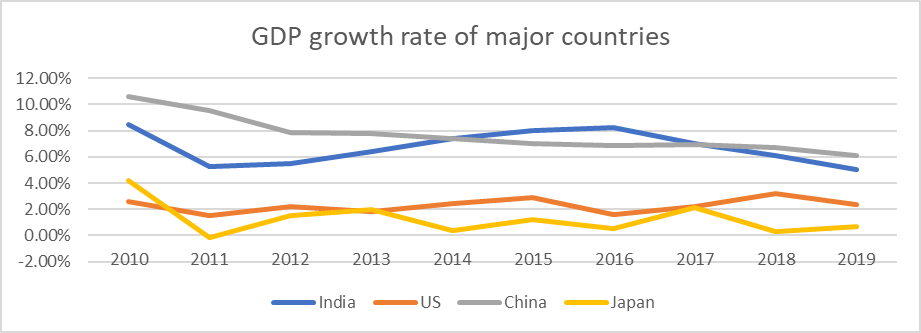
The empirical analysis of the annual GDP growth rate and the historical market performance of leading stock exchange indices of major countries such as USA, Japan, China, and India respectively over the decade show little correlation between the growth of countries’ GDP and performance of stock markets.

Japan faced one of the worst decades of economic growth battling recession and unemployment having a maximum GDP growth rate of a mere 2% in the last decade. While Nikki_225, the benchmark index of the Tokyo Stock Exchange had lost more than 60% of its value over the decade, sharp falls in the index during this period was the result of external events such as Fukushima’s nuclear crisis and the European Sovereign Debt crisis in 2011. The rally in 2013 which surged more than 70% due to the weakening of Yen and expansive economic policy was short-lived as the market plunged by ~60% at the end of 2013 due to the weak GDP growth of China and quantitative easing of US Federal Reserve during the same period.

Though China’s economic growth declined gradually from 10% to 6% over the decade, it was still having the highest growth rate among the developing countries. The Shanghai composite index grew a mere 16% over the decade despite the country having the highest GDP growth among the major economies. The Chinese exchange majorly influenced by the domestic investors who were largely inexperienced and traded using borrowed capital persuaded by the Chinese state-owned media during the period of 2015, saw a bubble in the market with the index soaring more than 150% over the previous year despite the country having poor manufacturing and economic growth. However, the bubble was short-lived and consequently busted as it lost 40% of the value in the month of June and continue to fall subsequently due to the devaluation of Yen.

The turbulence of Chinese stock markets combined with slowing growth of China’s GDP, falling oil prices, and weakening of the Japanese Yen against the US dollar and Brexit event resulted in a global sell-out during the period of 2015–16 which impacted all major stock markets around the world including US and India. 

Despite having low GDP growth of around 2% over the decade, US markets have continued to grow over where the leading indices such as Dow Jones Industrial average, S&P 500 and NASDAQ Composite have yielded returns of over 200% primarily driven by innovation and technology. FAANG companies due to the power of the platform model, network effects have had a compounded annual return of more than 20% individually over the decade. Markets also saw an emergence of new business models and sunshine sectors such as electric vehicles, e-commerce, AI & Cloud computing, alternative energy, OTT etc which continue to have positive investor sentiments.

Globalisation and foreign trade are also important factors to consider why the performance of the Indian stock markets has little correlation with economic growth as the manufacturing sector contributes only ~15% of total GDP compared to China and Japan which has ~ 30% and ~20% respectively. The major sectors such as IT, Pharma, Breweries and Distilleries, Precious Metals, Automobiles are export-oriented which relies on the US and the global economy. Sectors such as Refinery, Paint, Aviation are highly dependent on the price of crude oil as India is one of the major importers.

FII also has a significant factor to play in controlling the direction of the stock markets. Indian equities saw a record inflow of $23 Bn (Rs. 1.6 Lakh Crore) in 2020 as the global investors were optimistic about the strong economic recovery, vaccine progress and low mortality of Covid-19 in India compared to western countries. This liquidity provided by FII continues to drive the market sentiments forward leading the prices to soar all-time high across multiple sectors.

The performance of the stock markets does not rely only on the economic growth of the country. Other factors such as the nature of its constituents, the impact of FII, technology & innovation and global events can also impact the markets. Markets can be both forward-looking and reactive to economic events and will correct themselves in the event of any bubble during times of weak economic growth.

Arjun R. (MBA Batch 2020–22)

A 2400-year-old HR Theory that Builds Empires

When we talk about the origins of modern management theory, we often start the curve from F.W. Taylor’s Principles of Scientific Management, authored about a century ago in 1909.

The evolution of the practice of managing people since then has gone through various stages, from Labour Welfare to a more organized form called Personnel Management, then to Human Resource Management, and now, to ever-complex, empathetic, and most-strategic People Management.

Managing human resources or people is mainly based on the edifice of motivation, the stimulus you provide to a person for doing a particular job, and staying loyal to you.

This simple-to-use yet hard-to-master concept of Motivation is utilized in all organizations today, by taking inspiration from various motivation theories, Maslow’s Need Hierarchy Theory (1943) being the most popular of them all.

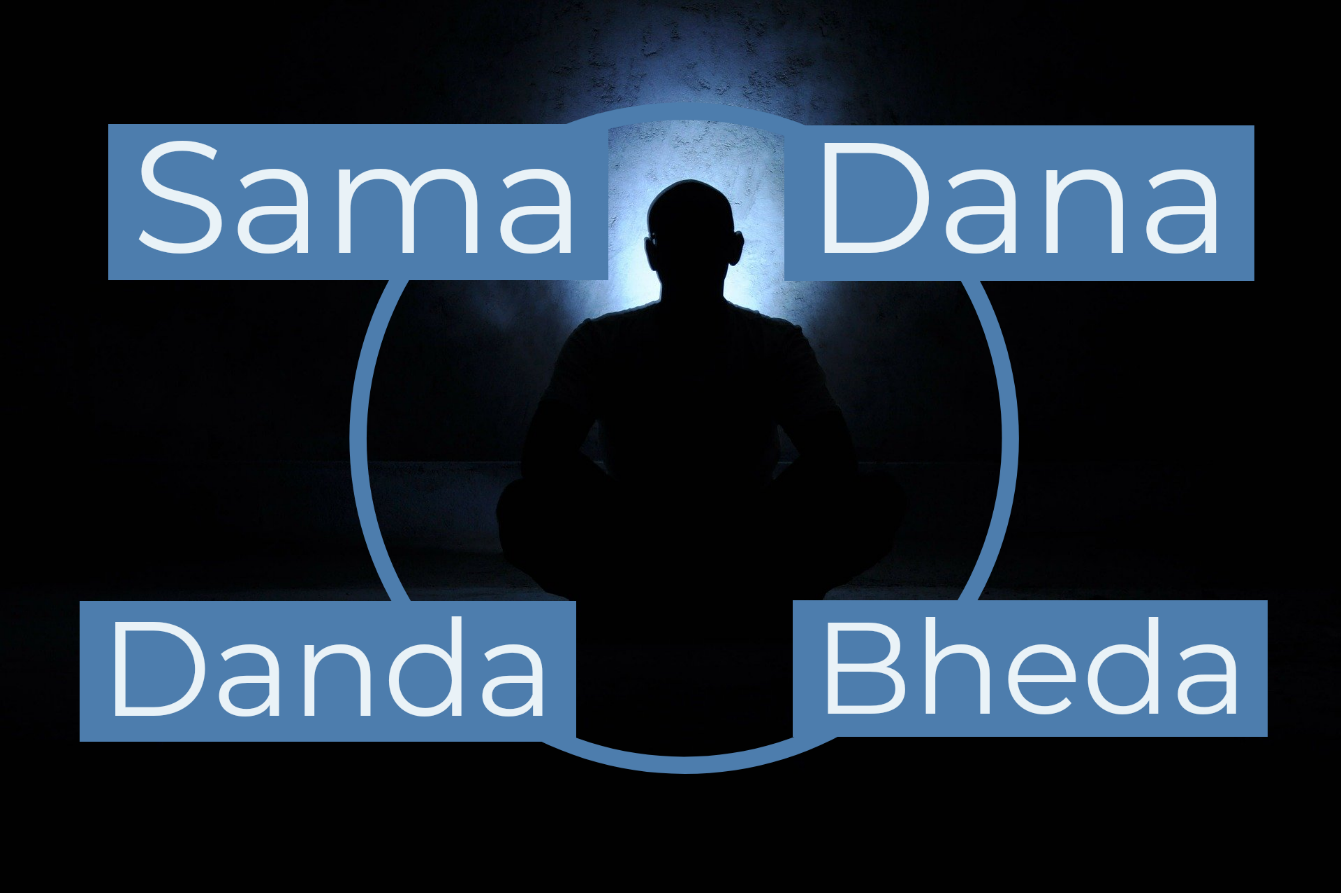
Now, what if I tell you that there’s a centuries-old management theory that not just discusses the concept of Employee Motivation but also structures a complete HR cycle. This theory was authored about 2400 years ago (yes you read that right!). It holds its relevance even today – and will probably continue to do so forever. The theory is given by India’s pride Chanakya, one of the most advanced and brightest minds known to have ever existed. The theory is:

Sama – Dana – Danda – Bheda

Most of us might have heard this string of words plenty of times before but never really knew what it meant.

It means, 

Collaboration – Reward – Punishment – Separation: The entire HR cycle summed up in 4 words

Here is a short description of each of these four “Upayas”: –

Sama ~ Collaboration: It implies finding the right person for the right job and then ensuring a mutual win-win situation by aligning his or her individual goals with the organizational goals. The employer must make sure that every person in the organization feels like an integral part of the larger team. An efficacious collaboration requires attentive listening. If a person feels that he is understood by the people around him, his problems have ears, and his struggles have supporters, then he will be there for you when you would need him the most. This is the foundation stone of every relationship and any cracks left unfilled during this process can vandalize the whole ecosystem in the future.

Dana ~ Reward: At the end of the day, all conversations boil down to this – the monetary and non-monetary compensations one receives in return for loyal services to an organization. Salary, bonus, increment, promotion, wellness benefits, medical insurance, housing facilities, vehicle, stock options, personal assistant, etc – everything forms a part of Rewards and Benefits. It goes without saying that an underpaid employee would never work to his full potential. Interestingly, studies suggest that even an overpaid employee is a complacent liability for the company. So, it becomes crucial for HR to strike a healthy balance when it comes to Rewards & Benefits of the workforce.

Danda ~ Punishment: Now this serves as a discipline wand, a motivator but of negative nature. While the high-performing employee enjoys the reward, the low-performing faces the brunt of the management in terms of verbal backlash, pay-cuts, demotions, or even expulsion. In every organization, performance appraisals reveal a bell curve of employees’ distribution, where 70% of them are found to be average performers. Fear of Danda ensures that these employees do not deviate towards the category of Non-Performers and continue to match the outcomes with expectations.

Bheda ~ Separation: This involves parting with an employee in the form of voluntary or involuntary retirement, resignation, or expulsion. It is rightly said that change is the only constant. The people, whether you like, love or hate it, cannot work for you forever. They will leave you when a better personal or professional opportunity comes across their way. For HR, it is important to take this pragmatically and ensure that the HR cycle keeps on running smoothly by not shying away to collaborate with new people and focusing a great deal on their training and development.

_____________

These words of wisdom that continue to guide people-managers are the doctrines that helped Chandragupta Maurya build his enormous empire in 300BC. Even today, with the right essence and execution, these can empower each one of us in building our own!

– Savinay Goel (MBA Batch 2020–22)

Future of data visualization tools in business analytics

– Team MPRC, IIM Kashipur – 

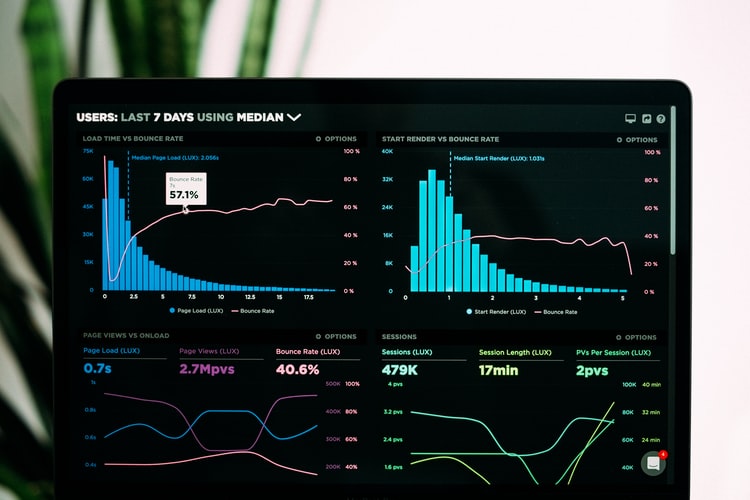
We are in the age of data science. The ever-growing complexities of data science welcome a whole new scope to unlock the power of data. With big data rising at an exponential rate, it is becoming essential to organise, filter, analyse, and visualise data to gain a competitive edge in the business. Data visualization is gaining traction. According to Gartner, by 2025, data storytelling will emerge as an industry trend, with 75 percent of the stories automatically generated using augmented analytics techniques.These techniques are at the center of revolutionising the sense of looking at data differently and thereby enhance the experience of analysing data.

Prof. Vivek Anand talks to the Media and Public Relations Committee (MPRC), about the scope of data visualization for the managers of tomorrow, and more.  

Prof. Vivek Anand is currently associated with Wilson Consulting Private Limited as an operations director. He is a data visualization consultant with 17 years of experience and has done MBA from Monash University Melbourne Vic. with an area of specialization including Marketing & Econometrics. He has a background in Sales & Marketing with leading Indian hospitality brands across the country. His inclination to analytics made him switch roles 8 years ago to become a full-time consultant in analytics and spearhead corporate training for Wilson Consulting in India and the US. He is a qualified trainer of some leading tools in the industry such as Tableau & Power BI and has a passion for teaching. He is also an adjunct or visiting faculty at Great Lakes Institute of Management, Great learnings, SP Jain, IIT Madras, IIM Kashipur, IIM Calcutta, IIM Trichy, IIM Ranchi, IIM Kashipur.

[MPRC]– What is data visualization? How important is it today?   

[VA].- So to give it to you in a nutshell, Data Visualisation is trying to look at data or trying to see or perceive patterns in the most effective manner. That’s what it is. It’s not a tool if I may say, I would rather call it science and I think it forms a vital part when it comes to business operations because we are moving into a phase where data is becoming the key. One of the biggest challenges that organizations face is how to best organize data, how to best seek patterns and once you find a pattern, the next task is how to best present it as a story or a dashboard or something. So I would say it is extremely crucial when you want to kind of make any sense of the data.

[MPRC]– How is this science helping the managers to perceive a pattern?

[VA]–  When you are trying to perceive a pattern, the intent is to try and get the answers. The interpretation must happen as quickly as a reflex action. Say, for example, you are made to touch a 500 degrees Celsius hot iron ball, your spontaneous reaction would be to take a hand off the ball. Now, you need to have a similar kind of reaction when you see data. Without even thinking for a second, you must be able to get the answers as quickly as you can without having too much hand-holding or too much help. That’s when you know that you have actually got it right. And also the thing is no one has the time or bandwidth to really sit and ponder old things to see what it was all about. So if we don’t get things right, we won’t get that kind of reaction from your audience.

[MPRC]– From a managerial point of view, prior to 2010, there were not many tools for data visualization. As we remember when we were in school, we were still using PowerPoint and it was just the beginning. But right now a lot of software has come up. So which software is used in the market right now?

[VA]. – Okay so, I’ll give you an answer for a software. There are so many tools like Tableau to lead with today. There is Power Bi for rich visualization and multiple other tools like Qlikview etc. A lot of tools are there. There are tools which are user-friendly, like drag and drop feature. Some of them require a bit of coding. But, I would say that learning software is not going to give you science. Just to tell you something, whatever that can be done with all these cutting-edge tools, can also be done with Microsoft Excel. It is just that it needs a little extra bit of time and effort.

The tool is not again a bit of a challenge because a tool which is learnt at the drop of a hat today might completely transform tomorrow. So tools should never be a constraint for learning and that is something that I keep telling everyone, organizations and students especially. To students, I advise that don’t worry about the tool at all but rather learn science. Transfer science to whatever tool you have. If an organization has an XYZ tool and you do not have any other choice, you still have to make do with what you have. So that’s something that I always believe in.

[MPRC]–Has there been any instances where this data visualization science has helped you or your clients in figuring out problems that might not have been possible with traditional approaches to data handling?

[VA] – Actually yes. Quite some time back. In fact when I was working for one of the hotel chains. I had joined the company recently and I was looking at its past years’ data performances and all that. We realized that the hotel was dipping very largely in terms of occupancies. Now, there were a lot of reasons as to why the occupancies were dipping…so on and so forth. Oh! I still remember the charts very vividly in my mind. We had access to a lot of reports from hotel agents, something called a spy report and a lot of other reports, basically numbers. We realized that when we actually did a very effective visual technique, we were able to see how the market is trending. We saw that the market was still growing at a very rapid rate. Everybody was growing except for the company that I worked for. So that was where the problem came about and we realized that it was not the market that was not growing but we were the one not growing. So the next move was to find who is actually the one who has kind of taken away from us and who is doing better. There were multiple lines. We saw that the year that we started having dips in occupancy levels, a couple of chains were actually gaining momentum and there was a very inverse proportion. As ours was dipping down, we saw that they were growing better and better. So that was a very fantastic and early indicator that I saw, the way things are actually coming up pretty well. Another example that I can share is one of the companies that I had worked for. They worked in a manufacturing setup; safety is of utmost importance. It was a US-based company so all the more reason they were very paranoid about safety than a lot of other folks because of a fear of lawsuits or claims. We were able to foresee how accidents were likely to occur. So the kind of visual that we created came with an effective technique which captured a lot of factors indicating a potential accident. We had to take a lot of corrective actions. So that kind of really averted a potential crisis. I mean nothing happened in the end of it but there were a lot of indicators based on things. So that’s another fantastic example that I can think of. There are so many examples we stumble upon every day but these are two diverse examples where I can think of applications.

[MPRC]– What would you suggest for the managers who are interested in data science and visualization and how they can develop this knowledge?

[VA]– See again, there are two kinds of audiences that one can talk about: a person who creates an actual report and the other who consumes the report. So a report consumer needs to have a different set of skill sets and the one who is going to create the report must have slightly different skill sets. I am assuming if a person is a manager and he may have someone working for him or maybe he is a director or VP of a good company, I don’t expect him or her to learn technology. For example, suppose you got a platform which requires complex coding. All you need to do is know that you have to understand how to read the results and absorb it. That’s the kind of learning that I would recommend a manager to get himself or herself acquainted with. If you are a marching soldier and you are the one who is going to create the reports, then you need to have a couple of tools. First of all, you need to have the technological input. You need to also have the science of visualization. While you have the science, you also need to make sure that you do things right. You must be one step ahead of the manager. Therefore, the one who is developing should be twice as smart as a manager. That’s the irony but then that’s how things work.

So in terms of decision-making, you want to support the manager with the right quality of output so that they are able to absorb. And of course, with their experience in the business, they will make the right decisions.

[MPRC]– So in your opinion at this moment, what is happening in the industry? Do you think that the data visualization is not being given the importance as it should have been?

[VA] – The thing is…it’s the mindset of a lot of people. To give you a little insight into it, the particular clients that I have been dealing with, they had a very stereotypical mindset. They are the ones who have not been able to think beyond what they have been doing. So for them, it is a concept selling that you still have to do.  I think they are happy in their own space. They are happy with what they are doing and they don’t really wish to evolve into the next level. So there is nothing that you or I can do. But having said that there is also another whole bunch of cohorts where things are very different, where people are actually now adapting to this entire concept. They are embracing this whole idea. They want to really see how to make it fit into the reader or the business operations. They are getting very data-driven. But everyone does not have the skill set. Because that’s a different piece altogether that one has to know. But this is starting to grab people’s attention and the trend is changing. I can see it’s slowly changing.

[MPRC]–  When did you realize that you should pursue a career in data visualisation?

[VA] –  So I must admit I am not the brainchild behind this particular thing at least as far as I am concerned. I must owe this to my brother who is taking a leap more than I did to take it back to where we started. To give you a background, he used to work for a utilities firm back in the US. I think he was more on the supply chain side. Back then all that they were doing in his team was simply reporting. They were just getting reports and putting them in different forms. Nobody was really taking any sort of action with the data. So I think what he actually did from there in the early 2000s is to start to take some actions on data. It was a very rudimentary technique to really get going with how to generate some meaningful insights from the data. Back then I think they would not do it anywhere. There was not a lot of content. there was not a lot of technology also to support something in this space. Simultaneously, while my brother was working in the US. I had gone to do Master’s in Australia and I also picked up a sense for Analytics. So to be very honest that’s when I kept hearing things on a very similar note. We also had a lot of exchange students from the US. We interacted with some folks and we understood that there was a buzz. There is going to be some sort of explosive technologies. We could pre-empt. People are talking about it that this is going to be big. There was a lot of hype getting built in its own capacity. So that’s when I started to think about this as a thing. I said, maybe this could be a potential career path, but I guess for me what happened was I was basically inclined into analytics and I found that this was a very useful feature or a very useful skillset to have if you are going to get into the analytics profession. So as a career path, yes, that’s when the whole thing I can take it back.

[MPRC]–  So you have been in the industry for almost the past 10 years. Based on that, what is your opinion about the industry trends or the career option which anyone can have in this field?

[VA]. – A career path just on data visualization alone is something where I would not put all my eggs in one basket. This has to be in combination with all your other learnings.  So today, If you want to make a career path in this alone, it’s a very slim chance. Because right now, as a student if you try to set a career for the first time, you need to be a jack-of-all-trades, you can’t just be a master of none. It happens over a point in time, once you have your expertise. So right now, my recommendation is to learn everything. You don’t know when what will come in handy. Because you need to have your skill set in analytics, data mining, business analytics, forecasting etc. Put all your regressions, your modelling techniques and you should be able to combine visualization as a part of your data model as well. If that works well, I think it is a fantastic career path.

(Prof. Vivek Anand teaches data visualization at IIM Kashipur). 
TFC-The Finance Club|IIM Kashipur

The Finance Club is one of the pioneer academic clubs initiated towards enhancing knowledge in the field of finance through innovative activities such as events, hands-on workshops, knowledge sharing sessions, and guest lectures from industry experts.

The club organizes innovative events throughout the year to enhance the knowledge of finance among the student community in various concepts such as trading, risk management, and investment strategies. BullsEye, a virtual simulation game that was conducted online recently saw overwhelming participation where students had an experience closer to real-time trading. Accrual Madness, Trade Wiz, Aestimatus, Open Outcry, The Simulation Challenge, High Stakes were some of the events conducted over the past year where students from various top business schools actively participated and gained exposure to various financial concepts such as risk management, portfolio management, fund allocation, etc.

TFC believes in practical application of financial knowledge and hence, Pragati, IIM Kashipur’s student-run investment fund was set up during October 2019 to foster investment knowledge among the student community. The fund was set up with the objective to provide investors with an opportunity for long-term capital appreciation by investing in a diversified portfolio comprising large and MidCap Securities. Students and alumni of the institution have actively participated in the fund by investing through multiple fund-raising windows and gained knowledge of its working. The fund is managed by the members of the club under the guidance of Prof. Dilip Kumar and has consistently outperformed its benchmark index Nifty 50 since its launch. Members of the club are actively involved in carrying out market research, portfolio tracking, and publishing monthly factsheets on the fund’s performance. The setup of the fund helped in real-time tracking of the securities market for the club members and other student’s investors during the challenging times of the pandemic which helped in formulating and analyzing various investment strategies to effectively monitor the risk volatility and performance of the portfolio.

The club published articles and newsletters regularly on current financial events through Vit Pratiti and The Financial Gazette. The club has started to post a new series of articles and content related to the working of various financial instruments and analysis of individual companies and conglomerates on social media in order to collaborate and share knowledge with the external community

Recently, the Club has partnered with StockGro, a mobile application for virtual trading and investing where students from leading b-schools get real-time experience in trading and portfolio management. Over 200+ students actively registered and participated in daily contests which helped them to stay updated with the current trends in the stock markets

The Finance Club conducts a number of knowledge-sharing sessions throughout the academic year. A variety of topics such as personal finance, investment, and trading strategies are discussed over a series of sessions which enhances the knowledge of working of stock markets and trading. Special sessions were also held on the discussion on Annual Budget 2019 and its special features which saw participation from more than 100 students.

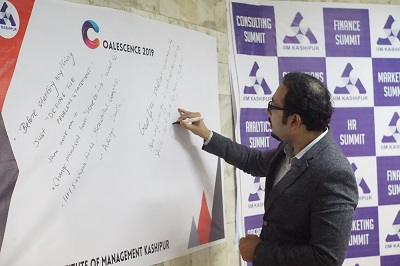
The club hosted Coalescence – The Finance Summit in association with the academic forum to bridge the industry-university gap. Rakesh Singhania, CFO of Wells Fargo Bank, India, participated as a keynote speaker and shared his experience on how industries navigated adversity in the new era of the post-pandemic. The lecture was attended by over 100 student participants who had an opportunity to interact and gain insights on challenges faced by the financial markets. The club also hosted Money Matters, a guest lecture session in the presence of Prof. Dilip Kumar on discussing various investment-related topics concerning Pragati. The club also aided the students in preparing for competitive examinations by participating in FLIP National Challenge and CFA Research Challenge.

In this way, the club ensures that students get the essence of finance as a domain of management. It helps the students to learn about the scope in this domain and select the best course of action for their future choices. In nutshell, The Finance club fosters a culture for finance within the realms of IIM Kashipur.

OnYourMark- The Marketing Club| IIM Kashipur

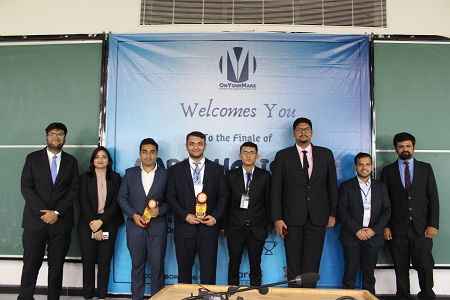
OnYourMark (OYM), the Marketing Club of IIM Kashipur, was established on 16th January 2014 by the students to promote and nurture the knowledge of marketing in the IIM Kashipur community. The raison d’être for OYM is to create an amenable ethos towards marketing. OYM strives to create enthusiasm among the students for the domain of marketing and guide them to explore their careers in this field. As it has rightly been said in the business world, “Marketing is not anyone’s job… It’s everyone’s job!”. The club seeks to make the student community well-versed with the recent happenings in the field of marketing to aid their industry knowledge and recruitment preparation.

OYM oversees several initiatives to achieve the club’s:

Vision: To improve the marketing acumen of IIM Kashipur & build a culture of Marketing studies.

Mission: Organizing student-centric events to involve maximum participation and benefits for all.

With the growing use of the online medium, the club adapted to new modes of learning and incorporated new initiatives to emanate marketing knowledge through channels like social media and video conferencing. The following are some key activities undertaken by the club to foster accentuated learning:

  • Forevision Workshops: OYM facilitated Marketing Workshops from Forevision in Digital Marketing and Advanced FMCG sales techniques training which had successful participation of 100+ students. These help them gain practical exposure to the current trends and tools through real-life case studies, exercises, and live demos which are increasingly used in businesses nowadays and enable them to think out of the box, just like a marketer is supposed to. 
  • CutPaste Article series: Carefully curated articles are handpicked by OYM and extracts illustrating the concepts are shared with the batch in an email blast to familiarize and update them with the latest, modern terminologies in a short period. This allows them to quickly grasp these concepts and also gives them an option to read the full article provided to enhance their understanding.
  • Open house discussions: Discussions on current events as well as concepts that students learn in classrooms are further deliberated to gain deeper insights into the subject matter. 
  • Guidance in case-studies: Conducting in-depth discussions on the cases in the curriculum to better equip the students with the principles used in a light-hearted environment. This gives the students confidence to contribute in class and further their knowledge.
  • Encouraging a culture of corporate competitions: Corporate competitions give students a chance to apply curriculum learnings and search for viable solutions to real-world business problems. OYM identifies marketing based opportunities from a plethora of competitions and encourages student participation.
  • Marketing Weekly – OYM collaborated with Marketing Weekly to help the students navigate the overwhelming sea of marketing content. A breakdown of marketing concepts as well as the latest news are illustrated in these weekly articles keeps everybody up to date with the current industry trends and expectations. 
  • Social Media Campaigns: From concepts, trends, and everything marketing, campaigns are run on OYM social media handles to create an enthusiasm for marketing. These posts provide interesting reads with a visual aid to engage the reader. 

OYM also conducts events year-round to engage students with practical exposure to marketing concepts so that they learn the application of the same.  

  • Guerrilla MarFair: A Guerrilla marketing event enabling participants to create displays and advertise any brand. The event boasts average participation of 125+ students every year.
  • Markaholic: The flagship case study competition of OYM is an event conducted during Agnitraya. It received the highest registration of 1079+ in the previous year with participants coming from many top B-schools like IIM Lucknow, IIM K, IIFT, etc. 
  • Online Week of Social Media Marketing: Participants create a video Advertisement based on the theme selected and strive to go viral on social media. This tests and hones the participant’s social media strategy and technique which is a quickly growing and required marketing skill.
  • MarQuiz: An intra-college marketing quiz competition aimed at inculcating a competitive spirit and encouraging teamwork. It focuses on expanding the students’ knowledge in the domain.

The club also conducts entertaining events to further pique the interest of students in the field of marketing by incorporating elements like brand-knowledge, wit, and the ability to pitch your ideas such as:

  • Ambush Marketing: The participants use their creativity to implement the tactic of Ambush marketing to ambush their rival teams during the Kashipur Premier League. 
  • Pitch Please: A test of persuasion and zeal is presented as a challenge to the participant in this event. They need to pitch a product, an idea, or a sellable item, and winners are crowned based on the votes they receive from the audience.
  • DumbCharADs: A fun-filled brand guessing game that tests students on their brand awareness as well as acting acumen.

In this way, the club presents a spectrum of potential possibilities in the field of marketing for a student to pursue. It keeps a buzz around marketing domain and fuels the enthusiasm of the students at its best.

HRhythm - The HR Club | IIM Kashipur

Human Resources is one of the most sought-after domains for students who enrol every year to pursue an MBA. HRhythm-The HR club of IIM Kashipur comprises aspiring HR professionals, focused on providing HR-related content and making students abreast of the current industry practices. Hence, they leave no stones unturned to make the students aware of the opportunities and competition present in the domain in terms of B-school and corporate competitions.

HRhythm conducts a plethora of activities to cater to the interest in the Human Resources domain. The club has adapted to changes in the learning behaviour. It continues to implement them to efficiently impart knowledge and develop the interest of people in the field of Human Resources.

HRhythm conducts events encompassing various HR themes to accomplish the objective of amassing the HR enthusiasts nationwide by providing them with a platform for showcasing their HR skills. Apart from discovering and honouring the country’s talents, these events also provide a conducive environment to sharpen the ‘HR skills’. Some of the famous events by the club include – 

No alternative text description for this image
  1. Scribble Dribble

Scribble Dribble is a Pan India article writing competition which encourages the bright minds of Indian B-Schools to draft an innovative article pertaining to the domain of Human Resources. It is conducted every year with an additional attribute that makes the event more stimulating than before. Both undergraduate and MBA students, across the country participate in huge numbers with great enthusiasm to demonstrate their writing skills and HR acumen. This year, a quiz-round was added to the existing competition structure, before the article-writing round to test the basic understanding of the HR concepts in a participant.

2. Pragyan

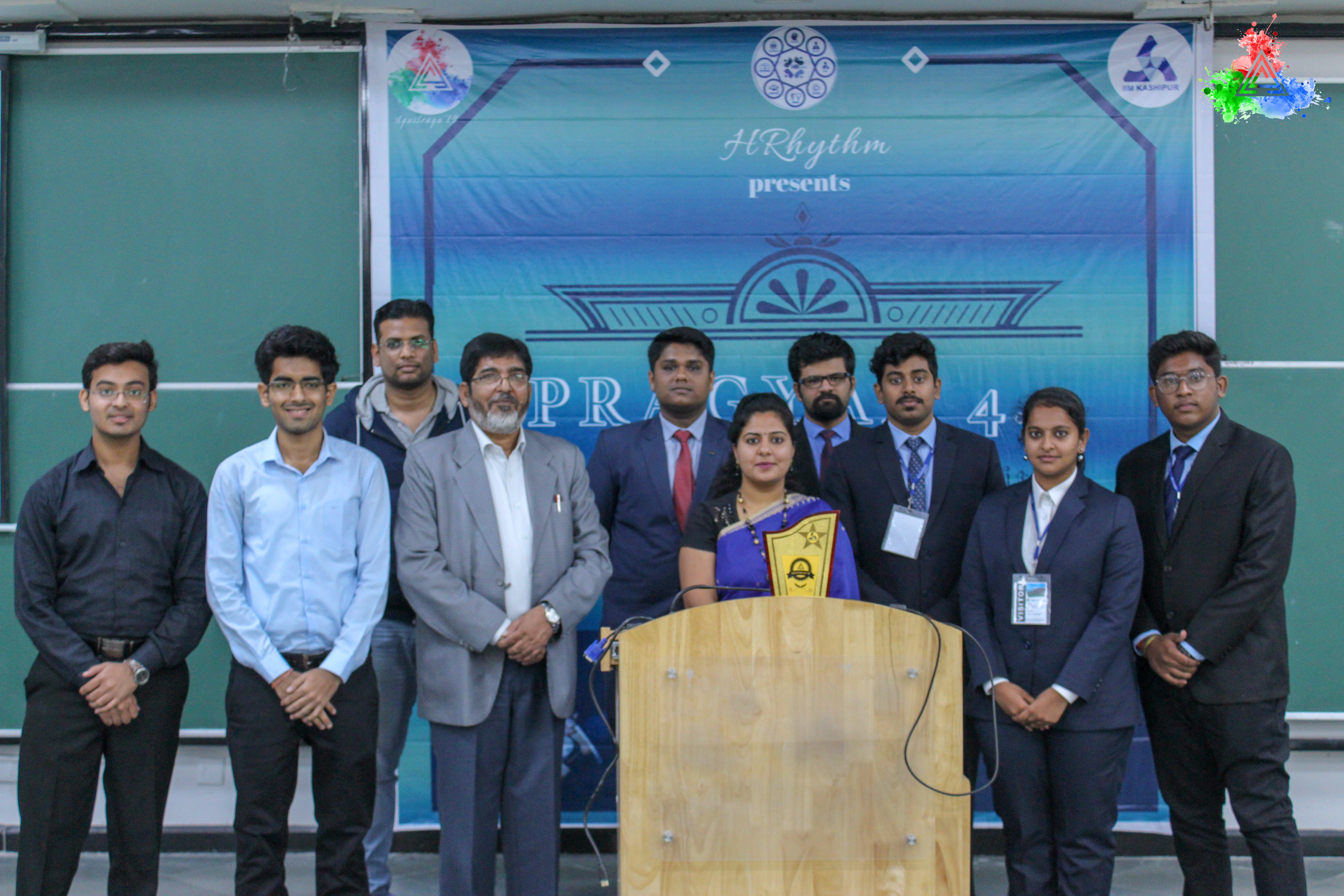
This is the annual flagship Case Study Competition hosted by the club. The participants are given a set of real-world scenarios that reflect the current problems faced in the corporate world, specifically in the HR domain. The motive is to let the participants take a peek into the state of affairs in most organizations and to make them savour the essence of solving simulated real-life corporate problems.

3. HResilience

In HResilience, the participants wear the hat of Labour Union Leaders and Employee Relation Manager, to showcase their bargaining expertise, problem-solving skills, and empathy for solving the persisting employee problems via reaching an amicable solution at the end. This event is also conducted to provide students with the industry conflicts that emerge in real case scenarios and apply HR concepts to come up with the optimum solution.

4. Negotiator 

This event encourages students to display or showcase their negotiation skills when confronted with a real-life business case. ‘Negotiator’ allows participants to be in the shoes of the CHRO and provides them with a platform to present their solution for the problems prevailing in the organization. It challenges their critical thinking, decision-making ability, analytical skills, and emotional intelligence to come up with the best possible solution in the given scenario.

The club utilizes its social media handles as a platform to impart knowledge about the HR world, with an additional essence to the content to make them cater to an average individual with even little to no interest in Human Resources. The club has consistently posted articles, and other relevant content on social media handles to promote students’ interests and keep them updated with the relevant information. Following is a walk-through of the HRhythm’s efforts:

  • Interactive content in the form of small videos and slides facilitates human resource learning lucidly. Audio-visual content aims at learning, brushing, implementing HR concepts.
  • A regular series of content uploads in the form of infotainment. Articles based on an amalgamation of HR concepts with mainstream Pop-Culture to generate interest in the student community.
  • Personality development and interview tips which help students to survive, sustain, and flourish in today’s competitive environment.
  • To complement classroom learning with corporate implementation, HRhythm is currently working towards organizing a series of interviews with industry experts. A summary of the same would be shared with the students in the form of a write-up or video. Inputs from industry experts will help students in gaining insights into the real-life HR world.

These efforts have not only increased the club’s social media presence but most importantly, it has been able to spark the desire inside many people towards the HR domain and it continues to do so.

Also, the team invites leaders from the corporate world to share their understanding of the domain and talk about the experiences that shaped their career as a young HR aspirant. They believe students should always perceive the reality and not illusions, which reflects in the engagement activities carried out by the club. Knowledge sharing sessions by Executive Members have been conducted to make students aware of recent happenings in the field of Human Resource Management, which will help them in acing selection processes for HR roles.

HRhythm also undertakes the responsibility of representing IIM Kashipur in the Human Resources domain and this involves maintaining relations with HR Clubs of other premier B-Schools across the country. This, in turn helps the students at IIM Kashipur to seamlessly participate in HR events of these institutes and thus creating synergy. Such relations would provide mutual benefits as students can participate, learn and win competitions. With this, the club has been able to establish the flag of IIM Kashipur in the sphere of human resources.

Econs – The Economics Club | IIM Kashipur

Image may contain: text that says "ECONS ECONOMICS CLUB IIM KASHIPUR"

Econs – the Economics Club of IIM Kashipur is one of the seven academic clubs of IIM Kashipur. Econs bears the responsibility of increasing awareness, generating inquisitiveness, and fostering passion among the students and faculty in the field of economics. 

The economics club was founded in the year 2019 as an interest-based club to impart knowledge, invoke discussions and conversations pertaining to economics, and highlight its importance and linkages to different business domains. Late American scholar Warren Bennis said that “Success in management requires learning as fast as the world is changing”. Keeping up with this notion, the club has found it extremely pertinent for aspiring managers to be aware of “Economics” affecting their daily lives and make them better prepared to tackle business situations efficiently. Since its inception, Econs has gradually attained the status of a core academic club and has carried out a plethora of activities in this direction.

Image may contain: 1 person, sitting, text that says "Budget Highlights the current fiscal. For FY21, Rs 4.99 lakh crore; FY20 fiscal deficit revised .8% from 3.3% fiscal deficit ena 3.5% Net market borrowing for FY20 crore. Nominal GDP growth 2020-21 estimateda 10% Receipts 2020-2 estimated Rs 22.46 lakh crore. Expenditure the year 2020-2 Rs 30.42 lakh crore. FY21 it's pegged"

In the first year of its functioning, the club conducted ‘Arthashastra’, the flagship event of Econs, during Agnitraya 2019, which saw participation by around 450 teams from various B-schools across India. In this competition, different teams designed a feasible economic policy of their choice that resonated with India’s ultimate goal of achieving a five trillion-dollar economy. Along with that, Econs also conducted an ‘Infographics Making Competition’ covering topics like the future of banking, green Economy, and the effects of immigration on the Indian Economy. Econs also conducted the ‘Union Budget Prediction Competition’ wherein the participants had to guess highlights of the Union Budget and the participant with the closest prediction took away the prices. The event was welcomed with utmost enthusiasm.

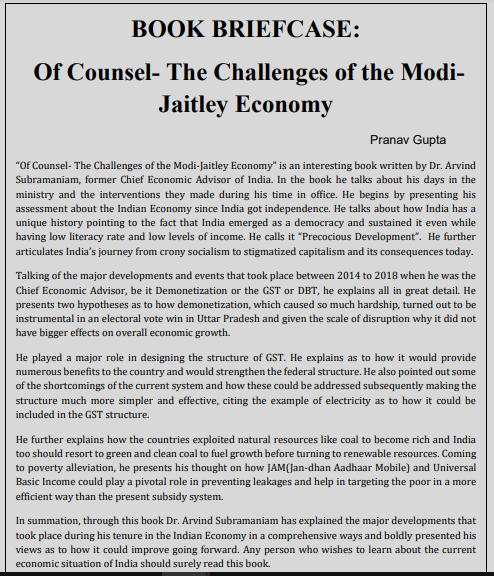
The club makes the students aware of the domain by posting short articles bi-weekly through its social media handles on Twitter, Instagram, Facebook, and LinkedIn. For the academic year 2019-20, the posts have covered topics like RBI monetary policy highlights, US elections impact on the Economy, and Atmanirbhar Bharat 3.0 to name a few. Along with the weekly posts, social media handles also feature monthly newsletters. The club shared this academic year’s first newsletter for the month of October 2020. The comprehensive issue featured the fragile state of the NBFC sector in India along with articles on comparing the Chinese Economy with the Indian Economy and giving a brief about the economic aspect of “Stubble Burning”. With an objective to inculcate the interest in reading in the field of economics, the newsletter also featured a review of a famous book ” Of Counsel-The Challenges of the Modi-Jaitley Economy” written by our former Chief Economic Adviser, Government of India, Mr Arvind Subramanian. Along with these, the newsletter had lighter sections like “Jargons” and “Current Affairs” too.

The club provides a platform for all the people to discuss, debate, and design on the current economic developments and government or regulatory policies and announcements. Throughout the year members of the club also conduct knowledge sharing sessions through case studies, quizzes, and games to instil and fuel a growing interest among students to understand and analyze their theoretical concepts towards practical applications.

Image may contain: one or more people, text that says "Conscientia 2020 27 SEP Dhiraj Nayyar Director, Economics & Policy Vedanta Resources Limited Former- Officer Special Duty Head, Economics, Finance Trade, NITI Aayog 4 PM LEADERSHIP TALK SERIES ECONS IIM KASHIPUR vedanta transforming elements MKASHIPUR KASHIPUR"

On the corporate front, the club extensively interacts with experts and industrial stalwarts in the field of business and economics to share insights regarding the latest happenings through a seminar or a lecture. Econs became the first academic club in IIM Kashipur to conduct a guest lecture in Conscientia 2020 leadership talk series. The eminent speaker of the guest lecture was Mr Dhiraj Nayyar, the Chief Economist of Vedanta Group and a former member of NITI Ayog, who delivered an insightful session on the relevance of economics for the managers.

Through its numerous strides in continuously highlighting different aspects of economics, Econs has achieved a distinct recognition in keeping up with its mission and being a forerunner for the same. The aim is to increase awareness about Economics among students. Our mission is to inculcate interest among the students of IIM Kashipur in economics and help them understand how economics is interlinked with various fields. We work to bring together all the economics and business enthusiasts inside and outside the campus together to discuss and debate the major economic events of the world to foster new ideas for the future.

Consilium - the Consulting and Strategy Club | IIM Kashipur

Opportunities! “Consultants must find newer opportunities. If you can’t find one, create one.” This is precisely what Consilium strives to do – creating opportunities!

Consilium, the academic club of IIM Kashipur deals with Strategy and Consulting aspects of  Management. Since its inception, Consilium is determined to assist the students with preparation, comprehension and expertise in this domain. The club continuously collects and updates relevant resources to enhance the knowledge of the community. With the changing business dynamics across the globe and shift in the recent global order, Consilium ensures that the students are equipped with the latest trends and have hands-on learning experience throughout the academic year.

Established with the vision of nurturing students to become the future leaders in the domain of consulting and business strategy, Consilium has been consistently working in this direction by conducting case study competitions, knowledge sharing seminars, guesstimate workshops and the most anticipated-industry interactions.

The Domain

“Without strategy, execution is aimless. Without execution, strategy is useless.” – Morris Chang

Consultants often find themselves interacting with different verticals and domains of the business. It requires solving problems not just through single domain optimization but via a collective approach encompassing all domains. The problems can be visualized with say an example where an organization wishes to analyze the pros and cons of venturing into a new market, which will require an understanding of marketing, finance, supply chain, operations, and a fair knowledge of relevance between all of these. That is where strategy comes into play. The methodology does not limit to one vertical but through a broader lens for looking at multiple domains.

Roadmap

The journey with Consilium starts with the very first month in the MBA curriculum at IIM Kashipur, where students are provided with the introduction to Strategy Frameworks, Consulting interview questions and reference materials. These resources assist students not just to gain a perspective in the domain, but also to comprehend highlights of the practices that are used in further stages.

Moving forward, Consilium provides a variety of hands-on opportunities through case competitions, business simulations, questionnaires and industry connections. The club is managed by Executive members who have demonstrated the knowledge and expertise at National level having a flavour of participating and winning reputed B-school and corporate case study competitions like Flipkart Wired, Thoucentric Bottoms Up, etc.

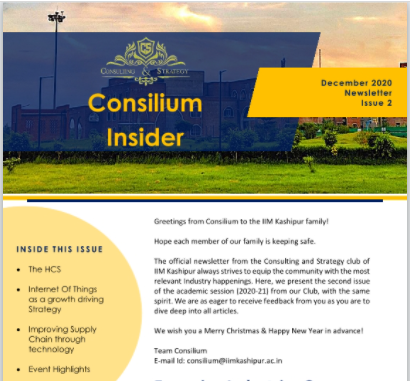
Consilium Insider

Consilium’s monthly newsletter shares the best practices, strategies and changing dynamics from different industries ranging from sports, FMCG, Petrochemical to latest Industry 4.0. Further, the newsletter comprises frameworks and their usage in real-life business problems from these industries. The club also ensures that the resources are not just limited to a monthly basis, and provide consistent updates through our social media channels.

The theme for the November Newsletter had been Covid-19 impact on business strategies covering the impact on the Sports and Oil industry along with the role of Digital trends in business expansion.

ForeSight Series

“It’s not about money or connections – it’s the willingness to outwork and outlearn everyone…And if it fails, you learn from what happened and do a better job next time.” – Mark Cuban

In Foresight Series, the academic experience in consulting and strategy is tested through gamified quizzes, guesstimates and infographics. Foresight comprises three events throughout the year, offering a constant opportunity to compete with peers and test their mettle in solving real-world problems. Due to pandemic, Foresight 4.1 was conducted online with a mix of quiz to cover domain knowledge and guesstimates problems to prepare students for interviews.

Industry Connect

Consilium brings together experience from industry leaders in the consulting and strategy domain. Students get to explore from real-life experiences of consultants and explore insights from the challenges they face, the thought process behind critical decisions taken and the key takeaways from years of experience in the domain.

EndGame

EndGame is a national level simulation designed on a business scenario wherein the students walk the consultants’ shoes and apply their knowledge to compete with peers from other B-schools. It involves the application of academic knowledge from various facets of decision making, marketing and economics. It also tests the strategic forecasting and understanding of competitive dynamics in real-life situations. Further, the event demonstrates the presence of zero-sum game, to create similarity with as much real-world dynamics as possible.

Consulting Knights and Ranbhoomi

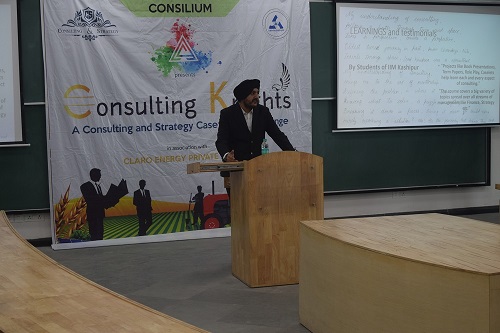
Consulting Knights and Ranbhoomi provides a diverse and enriching experience in solving cases at Pan-India level. Students utilize their knowledge of all disciplines to prepare strategies for business cases in teams. This event is organized in collaboration with various organizations like Havish M Consulting, to get an essence of existing business problems.

Consilium Conversations

In the academic year 2020-21, the club initiated a strategy-talk series “Consilium Conversations” wherein it invites budding entrepreneurs and industry stalwarts from various domains for a conversational interview. It focusses on unearthing the strategies that go behind creating a successful business or project. The motive behind the series is to inspire the students to develop strong critical-thinking skills required in strategy & consulting roles and learn about the latest developments in the industry. With each initiative, Consilium creates a robust environment for the students to learn and challenge themselves in the field of consulting and strategy.

Is An MBA Relevant In Today’s World?

In days, when we read that industry bigwigs like Indra Nooyi, CEO of PepsiCo say that lack of focus on technology is degrading the quality of management graduates from the country; or the whole and sole of Tesla – Elon Musk saying that he wouldn’t recommend an MBA, rather he would prefer not hiring MBAs, how relevant and advisable is it to still pursue an MBA in today’s world is indeed a question to ponder upon! However, contrary to the notion above, with every year that is passing, we can see a gradual increase in the B-Schools in India as well as an increase in the batch sizes of existing B-Schools! This has been an interesting trend to observe indeed.

While there is no question that majority of the individuals pursuing MBA do so in lieu of better career prospects or to be even more specific – bagging big paychecks! But is that all an MBA is about? Definitely not. Those portraying so are insulting the years of legacy that the Indian Institutes of Management have put in front of us. The kind of rigor they instill in the MBA graduates is something which imbibes holistic development of the aspirant along with academics. And yes, this is what an MBA is about. It is about “learning by doing” as one of the IIMs set up in 2011 – IIM Kashipur stresses upon. It is about putting theory into practice. It is about peer learning. Moreover, it is about turning yourselves into a better person, a better manager!

An MBA is probably the most efficient teacher of the importance of time and professionalism. Strict deadlines, cutthroat competitions with implementations of a bell curve, burning the midnight oil to be prepared for the lectures, presenting and studying of numerous case studies – name a thing needed to be done to be a better manager and you get to learn it in a B-School!

Revisiting the point mentioned in the first line of this piece – while Ms. Indra Nooyi complained about the quality of MBA graduates degrading, she never discouraged pursuing MBAs. In fact, she has motivated a generation of female MBA aspirants to join top MBA colleges in India and emerge as world-class business leaders. Similarly, while some perceive the MBA graduates a misfit for the organization, it is probably because of coming across the graduates who did an MBA for the higher paychecks and not for the sake of being a better manager.

Concluding, there is no doubt that the B-Schools are here to stay and so are the MBA aspirants. Similarly, the demand for these MBA aspirants is what the single largest factor is making undergraduates think of doing an MBA. Who are we, then, to question the relevance of an MBA in today’s world?

References:

https://www.jagranjosh.com/articles/heres-what-pepsico-ceo-indra-nooyi-thinks-is-wrong-with-current-mba-programmes-1478503600-1

The above article is written by Chirag Dixit, PGP 2018-20 batch, IIM Kashipur

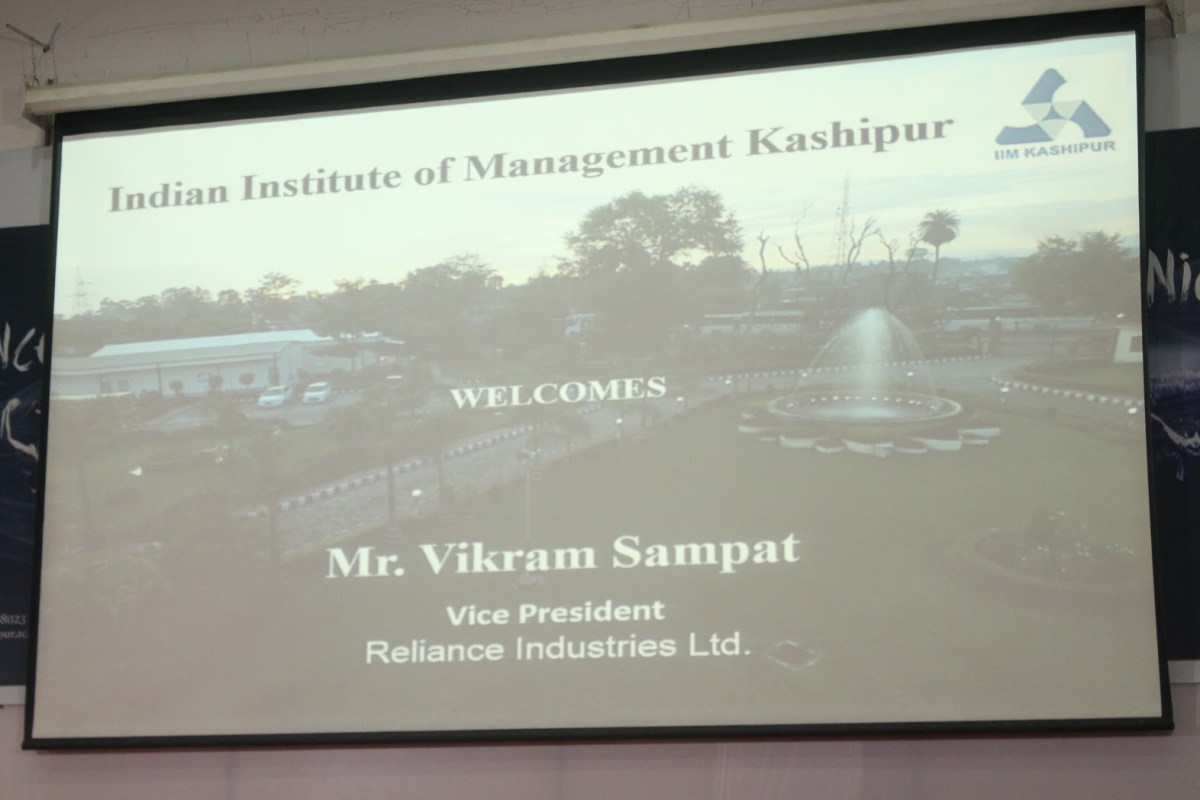
Guest lecture by Mr. Vikram Sampat

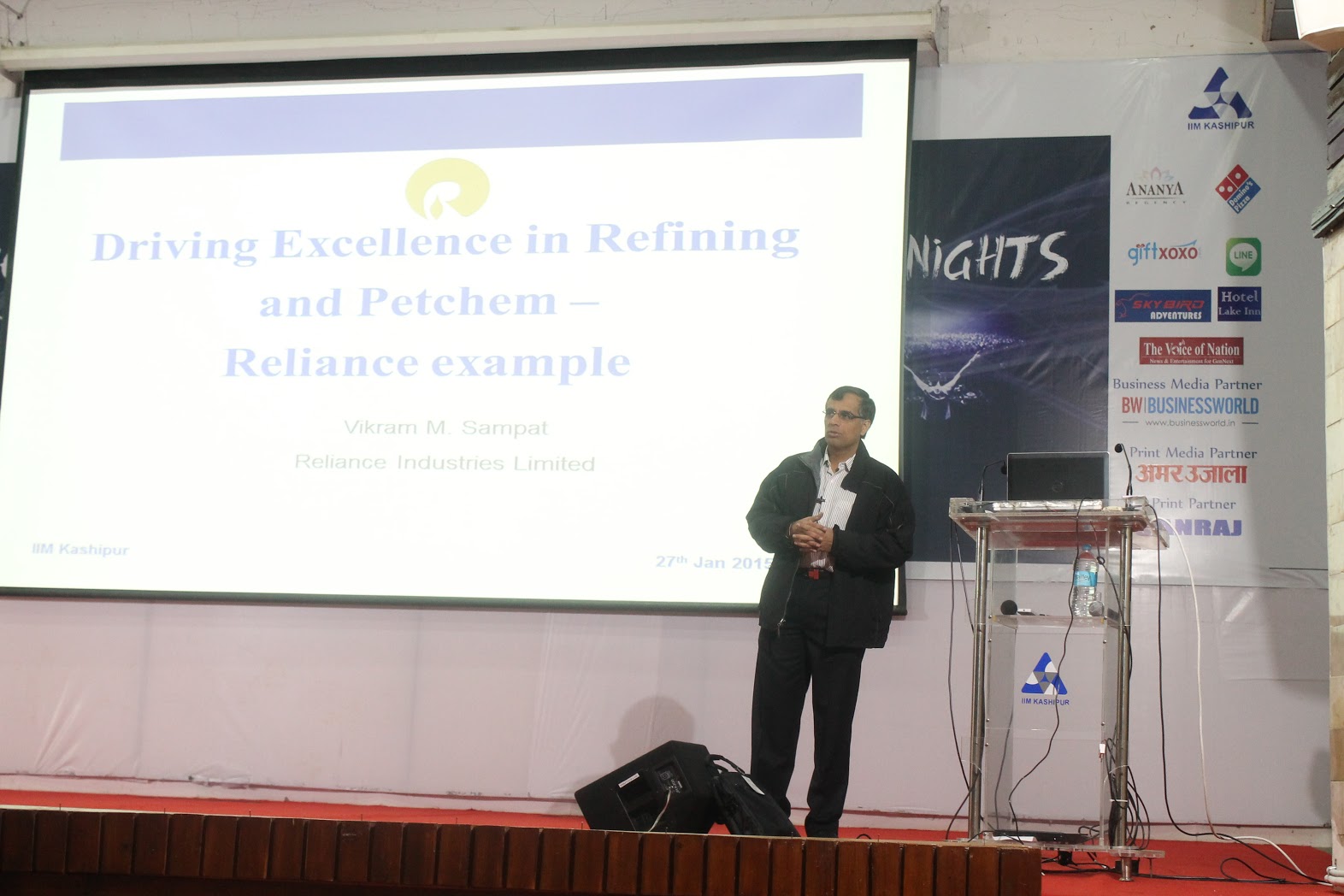
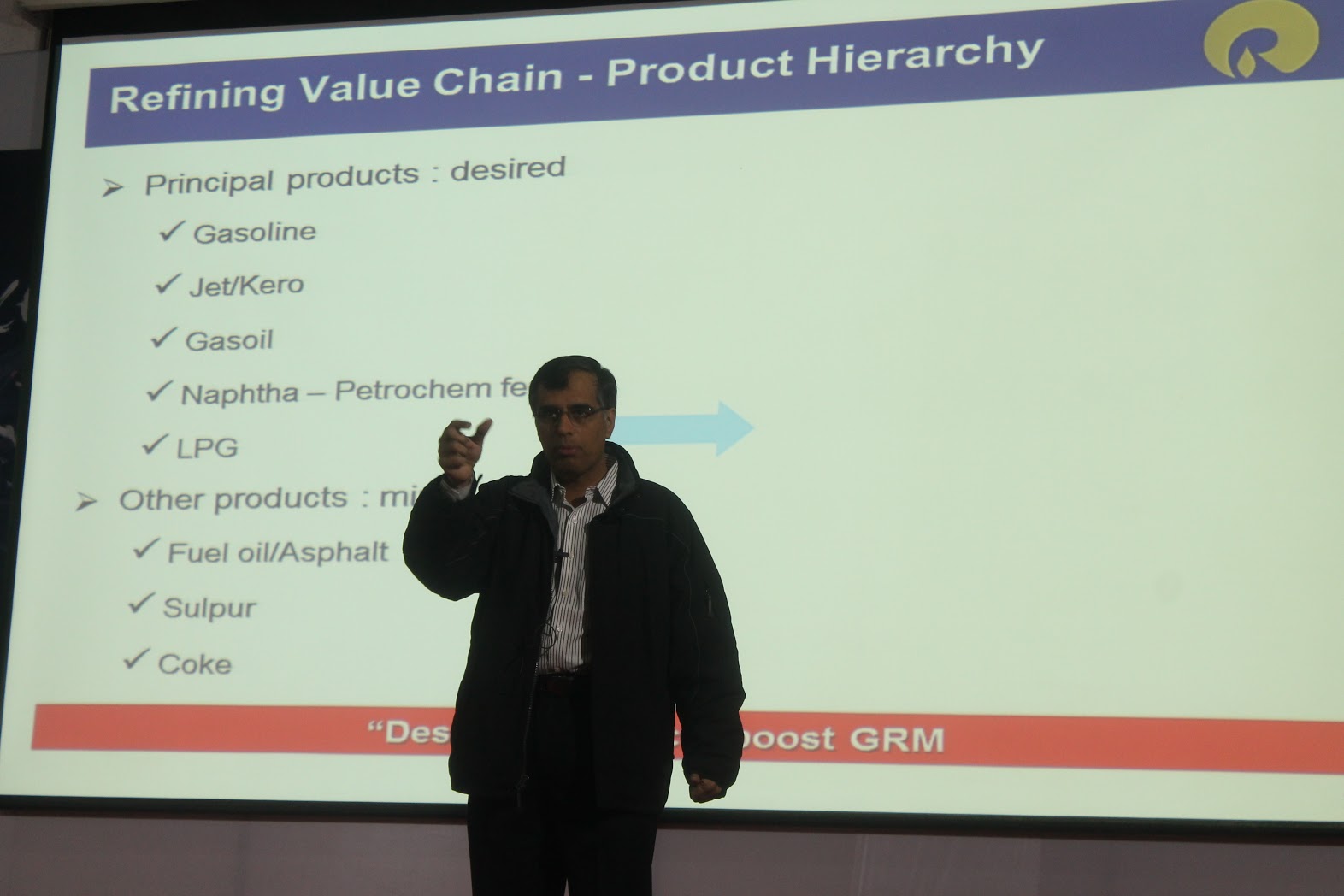
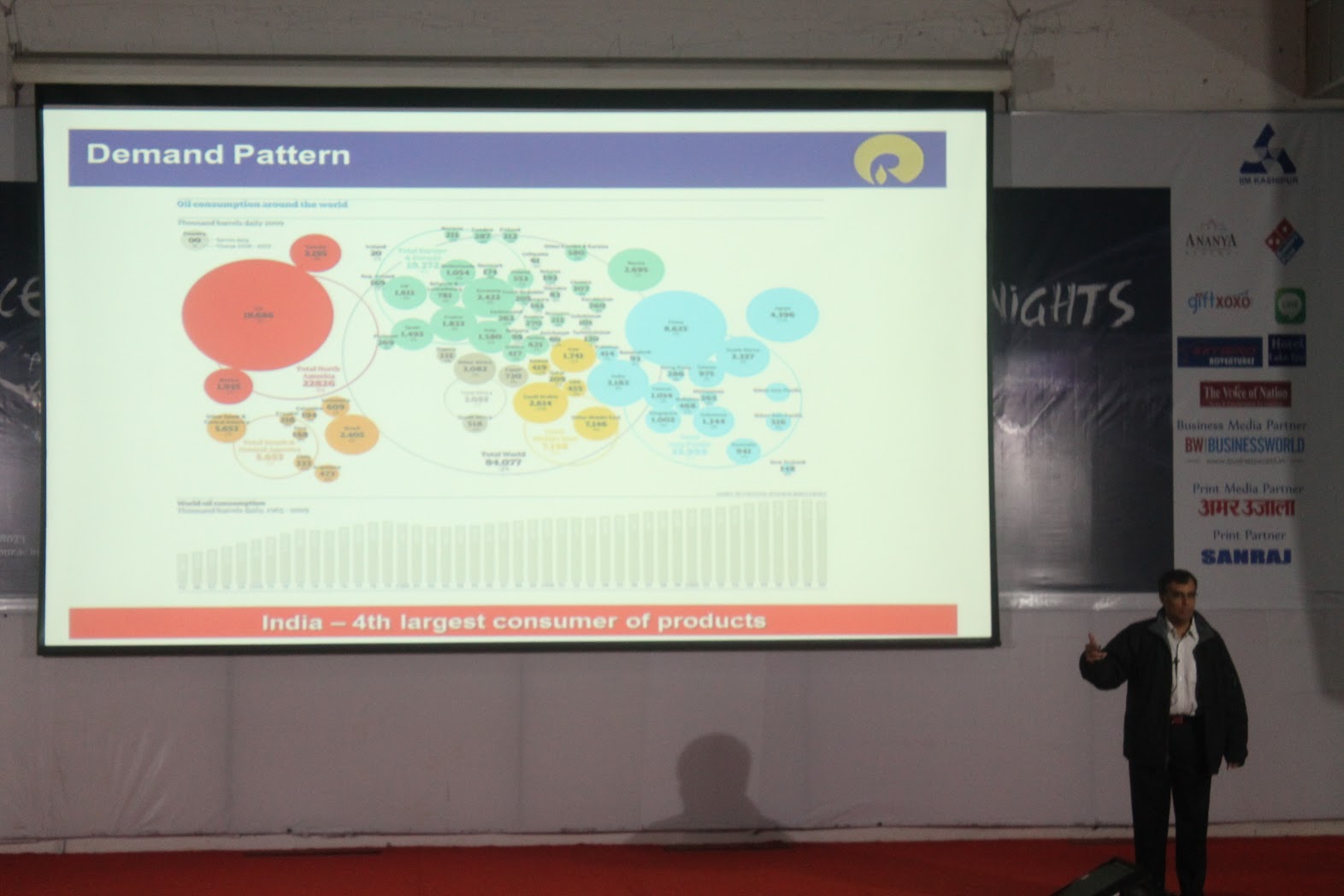
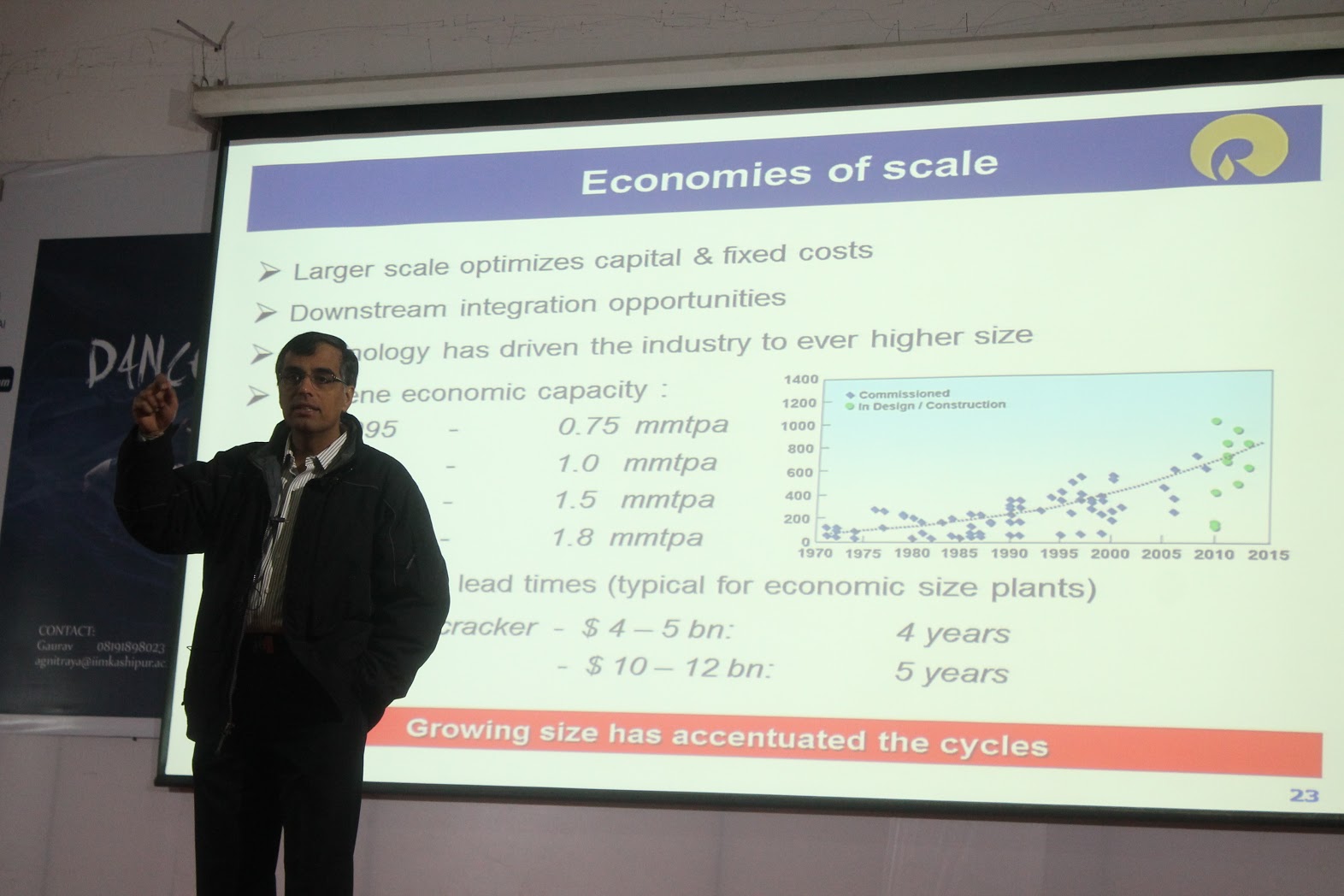
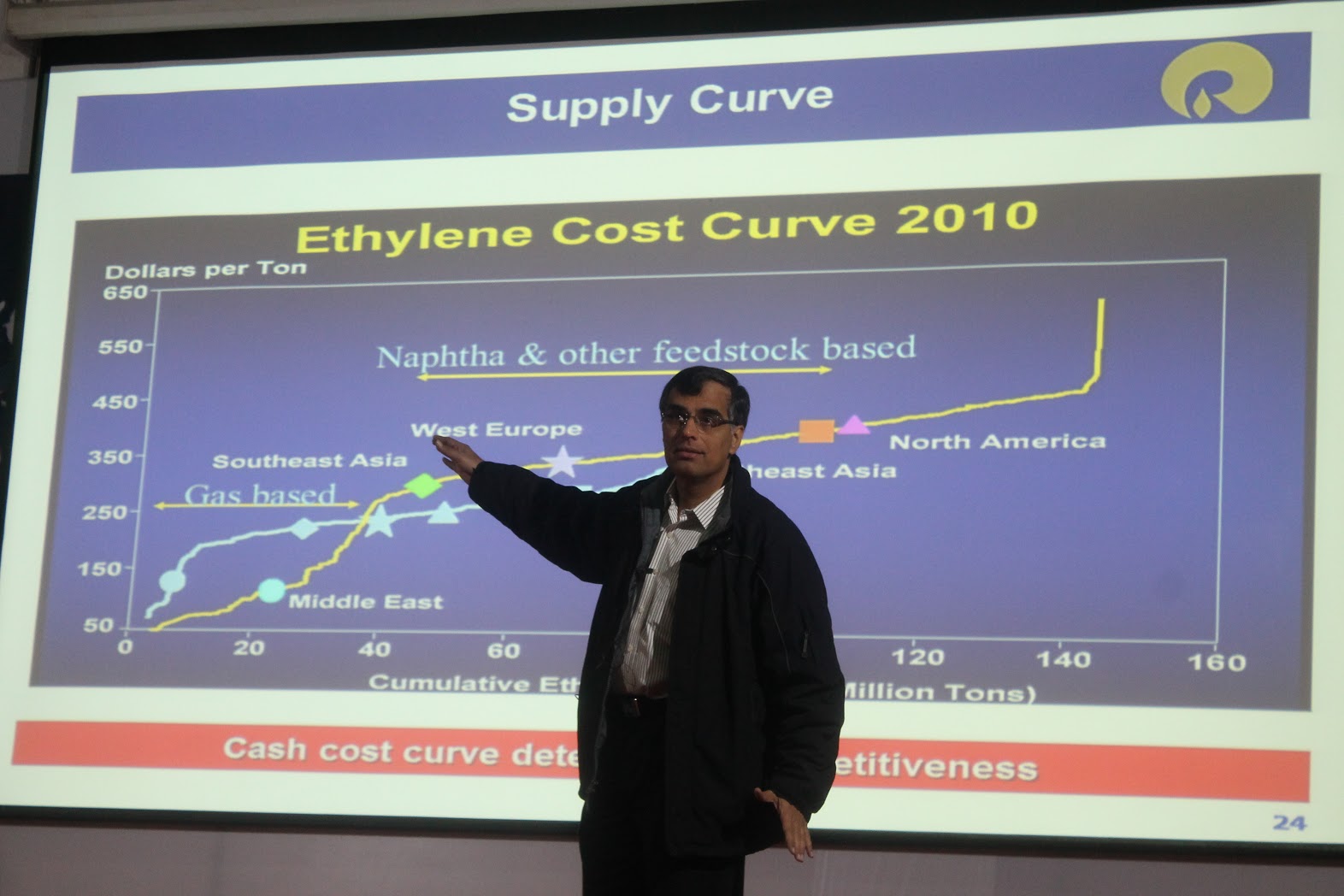
Indian Institute of Management Kashipur welcomed Mr. Vikram Sampat, Vice President, Reliance Industries limited. The topic of discussion was ‘Driving excellence in refining & petrochemicals and India’s energy challenges’. Mr. Sampat discussed the deamand trends over the past century and different types of petrochemicals produced by Reliance Industry and their market share. He also shared his valuable expereince from the industry.IMG_3303 IMG_3307 IMG_3320 IMG_3325 IMG_3328 IMG_3329