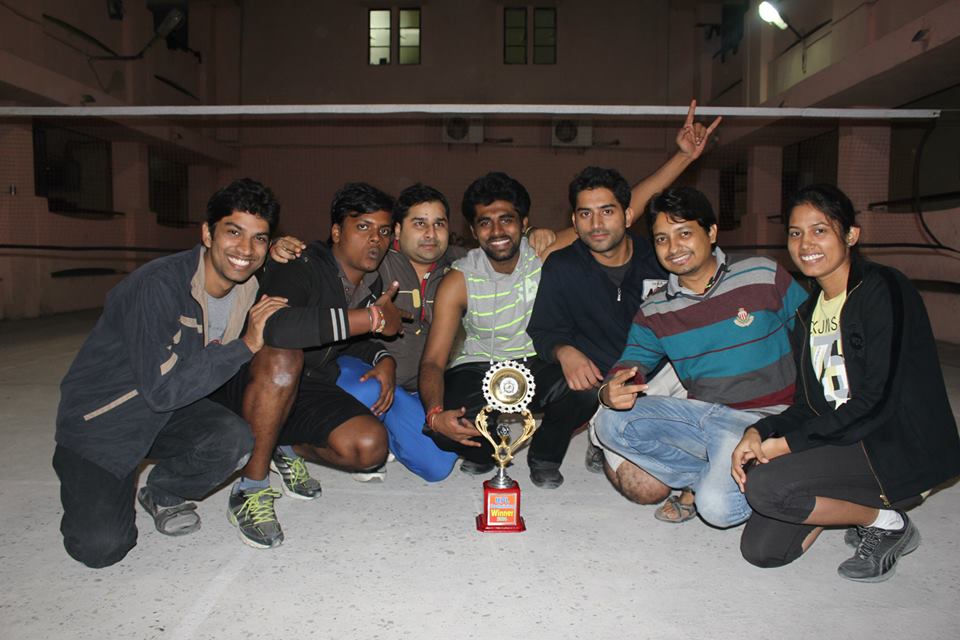
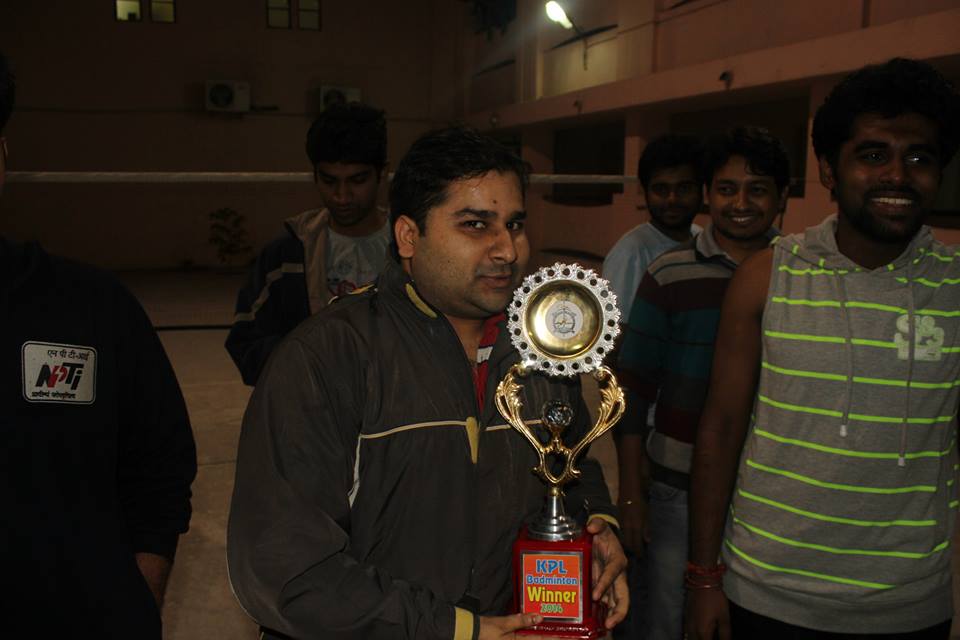
Its time! The show has ended but the fireworks are a proof of the entertainment it provided. Sports Committee successfully hosted another thrilling edition of Kashipur Premier league and it was the Royal Shuttlers who carved their way to the ultimate glory. The team owned by Anurag Sharma of PGP2014-16 batch, managed to win 2 out of its 3 final stages matches with a decent margin to claim the trophy. The team didn’t have any of the top seeds but still managed to come out on the top.
This is what the team owner had to say, “We always believed that we could win and everyone worked very hard and gave their 100%. It’s a great moment for all us, everyone is delighted. Hopefully we’ll come back and do the same next year”
Agarwal Tsunami finished at first runner up while The devious drunkards finished third. Hitesh Ram from the devious drunkards was announced as the player of the tournament.
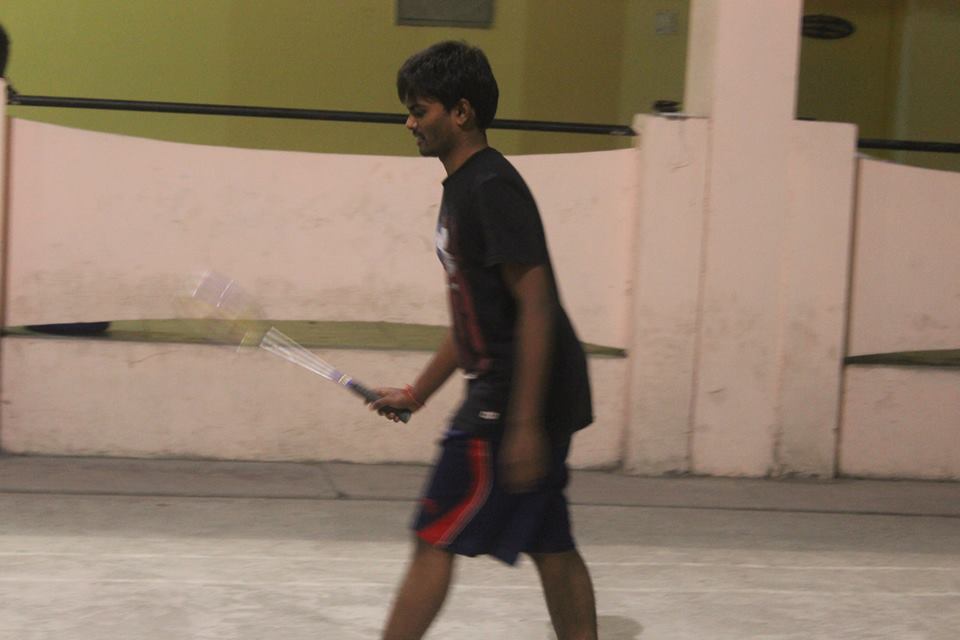
Here are some pictures of the action and the winning team.
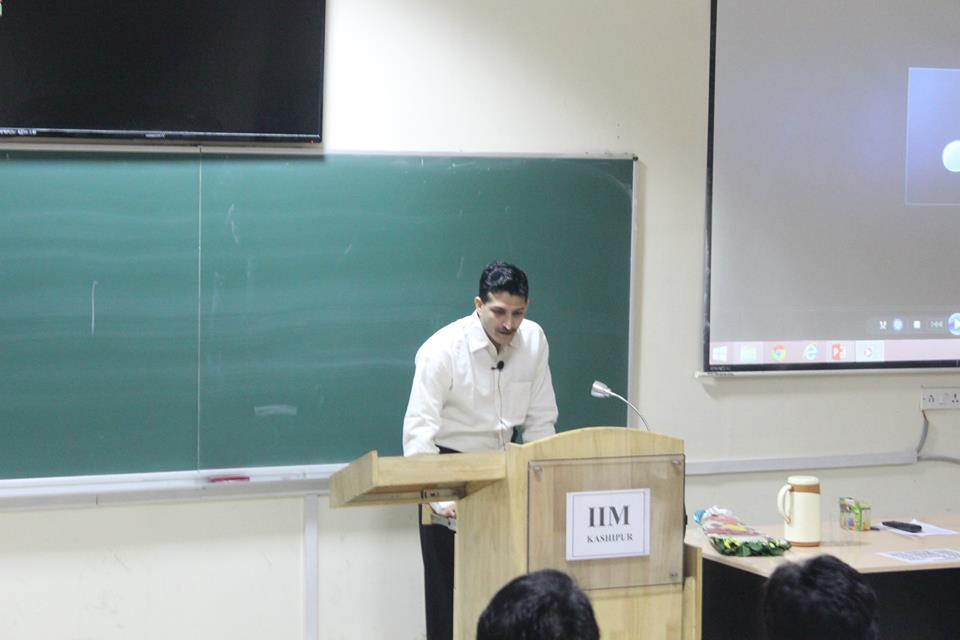
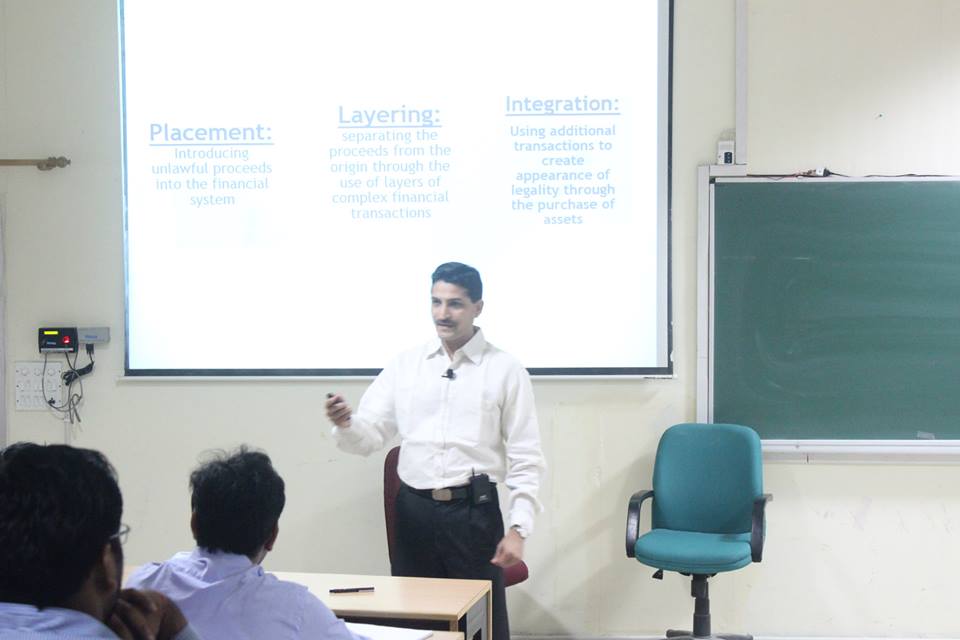
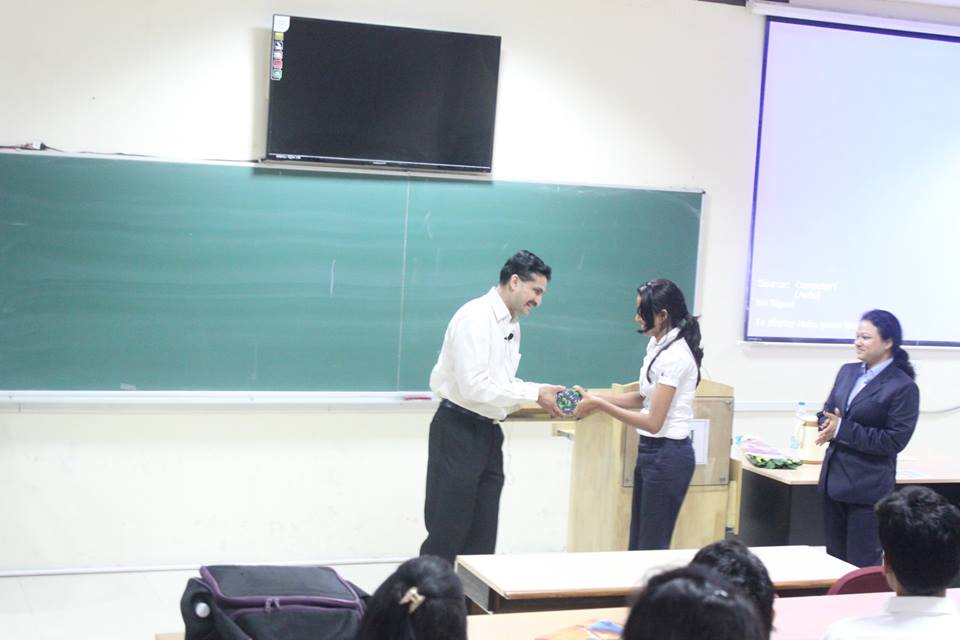
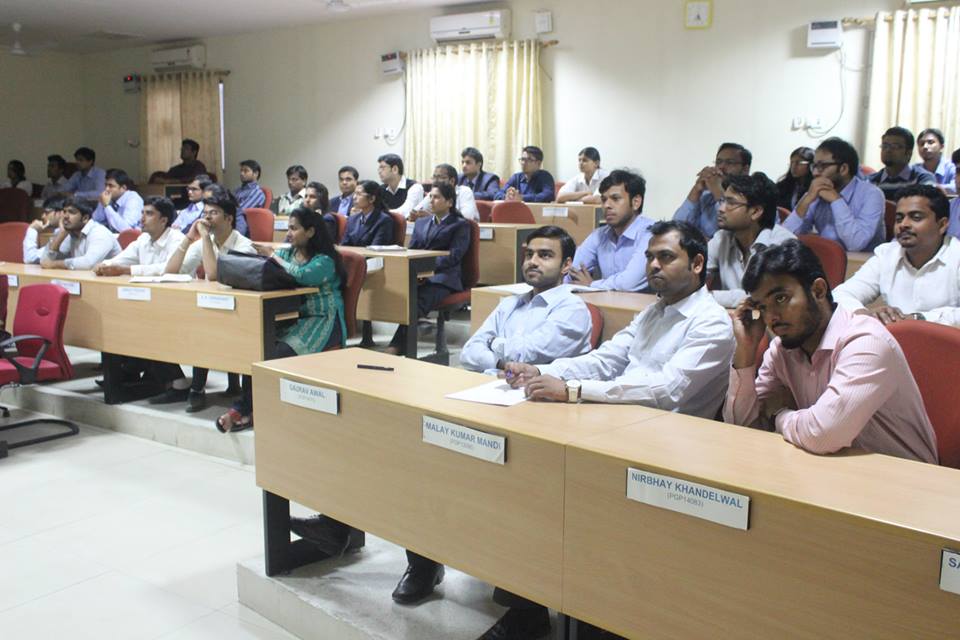
IIM Kashipur welcomed Mr. Davendra Raghav, former Director UBS – AG. The topic of discussion was money laundering. Mr. Raghav shared his experience in the banking industry. Different types of money laundering techniques, International standards to fight money laundering, black money and Hawala were some of the key issues discussed.
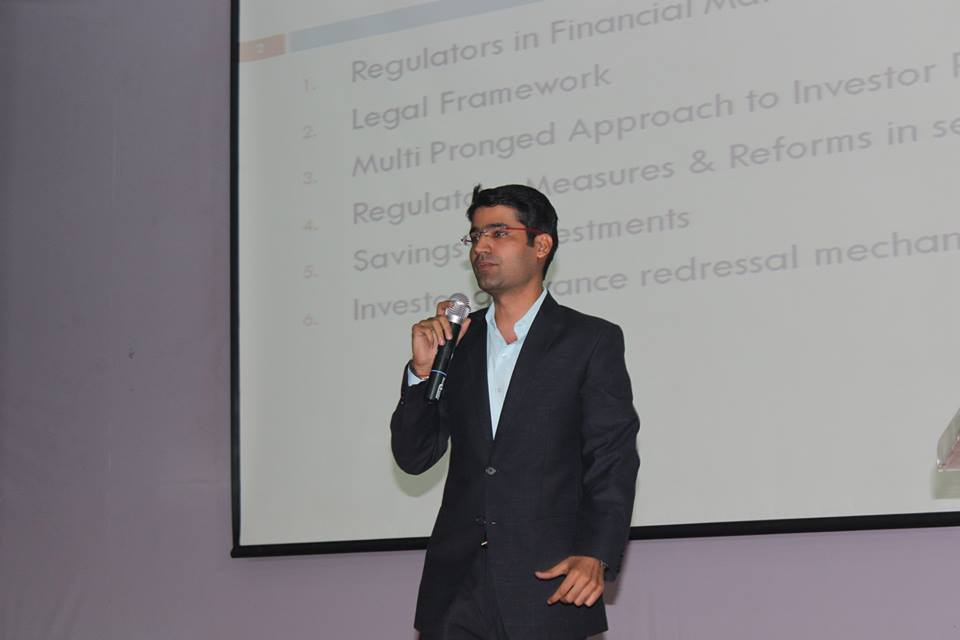
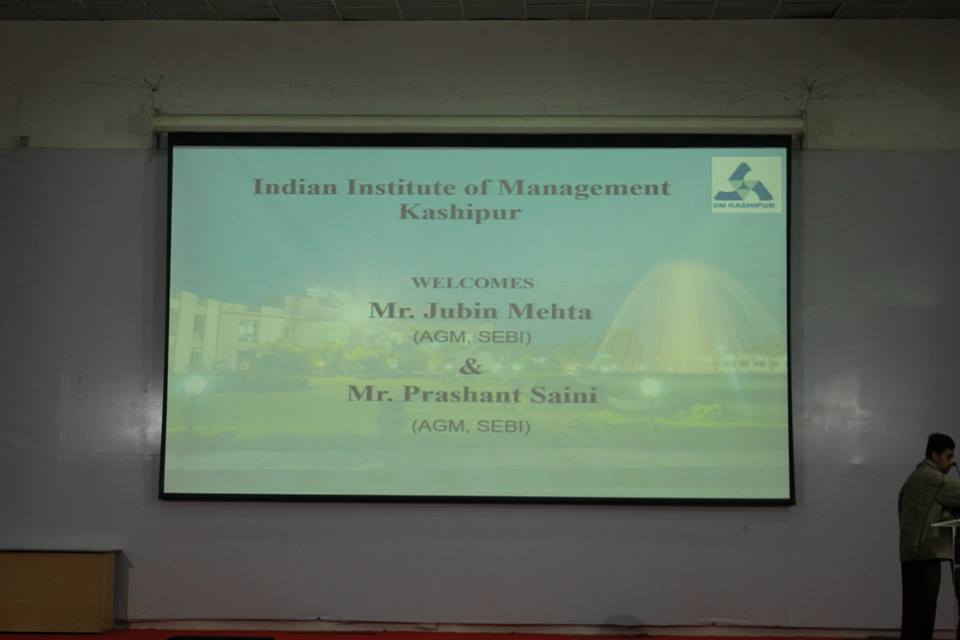
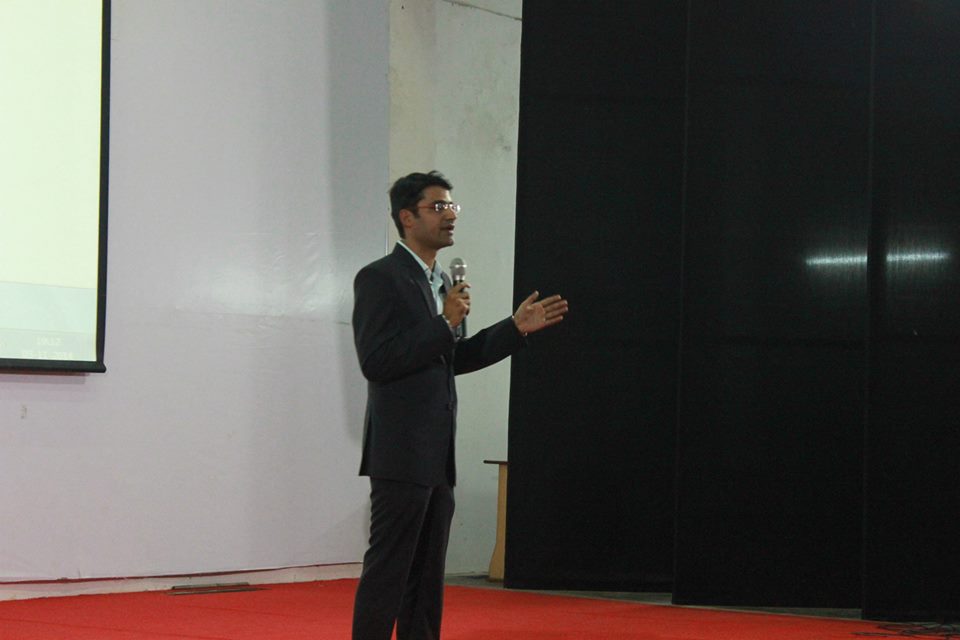
IIM Kashipur welcomed Mr. Jubin Mehta, AGM SEBI and Mr. Prashant Saini, AGM SEBI. A financial awareness workshop was organised to discuss investor awareness and how investment will lead to the growth of the economy. Mr. Mehta shared his experience with SEBI and how SEBI acts as a regulator whose first priority is looking after the interests of the investor.
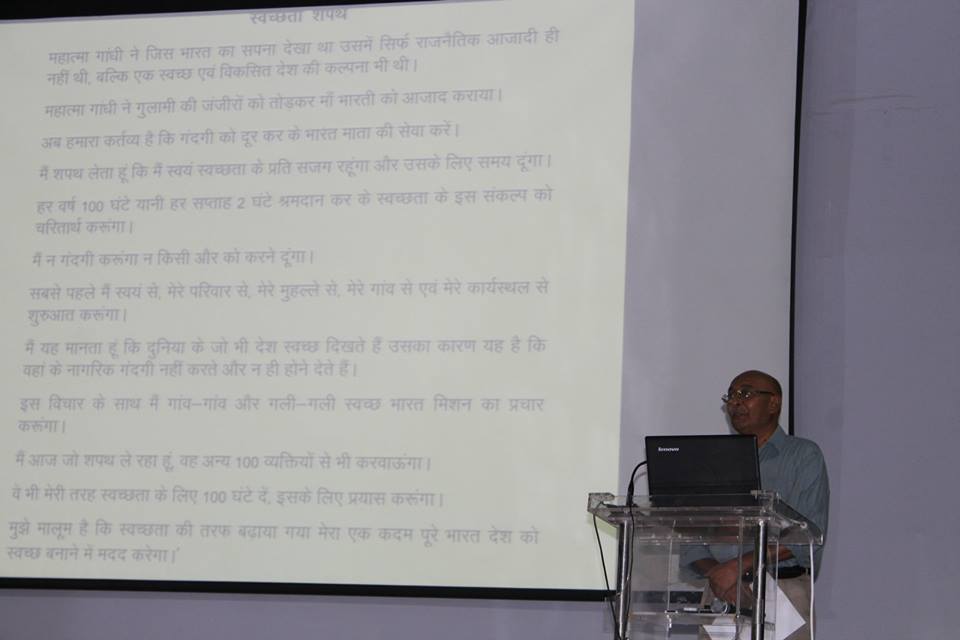
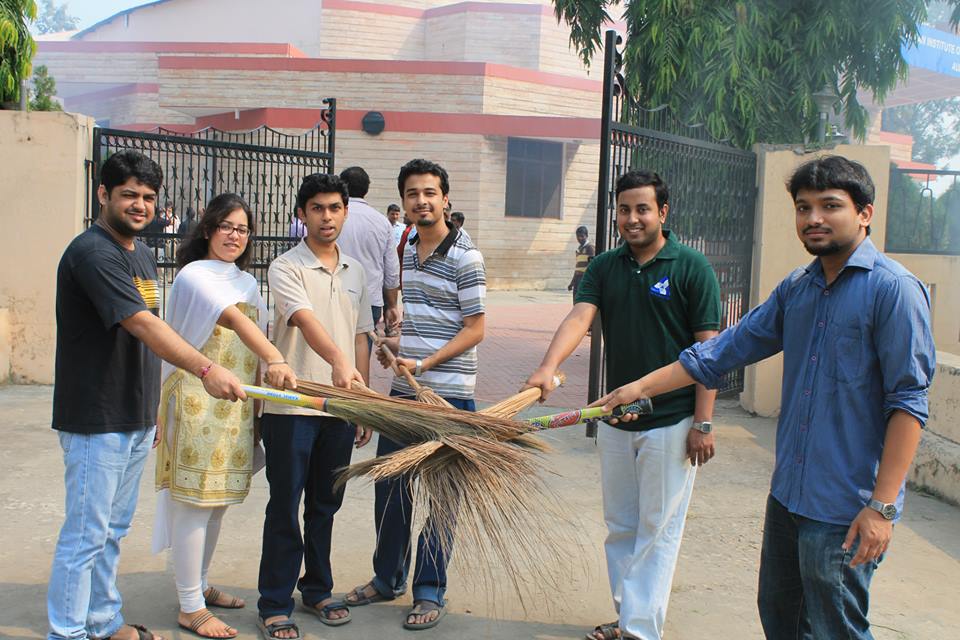
Be the change that you wish to see in the world”, said one of the most influential people to have ever graced this earth – Mahatma Gandhi. To celebrate the values that he practiced as much as he preached, on the occasion of what would have been his 145th birth anniversary, IIM Kashipur took up brooms to participate in the Swachh Bharat Mission today. Dr. Somnath Ghosh, Dean Academics, IIM Kashipur administered a pledge to the faculty, staff and students of the institute which promised that they would devote some time to maintaining the cleanliness of their environment daily. Post this, the faculty and students alike took up brooms and took to the nearby areas to clean them. Garbage bins were posted at intervals and all the litter was properly disposed of.
You might be bemused how our cows became relevant to businesses, that too when the matrix originated in the West. Yes, we are talking of the BCG’s growth-share matrix which is considered so much relevant for the adequate allocation of resources to exploit the growth opportunities.
If you are hearing to a strategy class in any of the B-schools, you are bound to get past this framework which talks of cows, dogs, cash and finally a question mark. You might be bemused how our cows became relevant to businesses, that too when the matrix originated in the West. Yes, we are talking of the BCG’s growth-share matrix which is considered so much relevant for the adequate allocation of resources to exploit the growth opportunities.
Rather than describing the nitty-gritty of this matrix, which you are so much cognizant of, we would like to share our views regarding the relevance of its two measures, especially in today’s context. We are afraid, the two measures of competitiveness, more specifically the market share axis, seem to have lost its pertinence.
Let’s analyze this with the two, not-so-old developments. Take Nokia, with such a huge market share during its heyday, and a high growth, it would have been shining as a star, enjoying an indomitable position vis-a-vis its peers. Or at least as it matured, it would be peacefully sleeping like a cow, with eyes wide open, seeing its competitors struggle and chewing the dollars cashing in. Aghast! Its situation is so contrary. With its operations around the world, assets in the shape of factories, R&D investments, probably patents too, it got bought by our most omnipresent OS provider for a mere $7.2 billion, who hardly had any grasp over mobile handset business.
On the contrary, check the valuation of your new messaging tool, hey Whats-app!, it’s worth $19 billion without a factory or an assembly line and other physical assets. Isn’t technology more prominent than market share? There is definitely a next big thing being designed as you read this, so Whatsapp don’t sleep like a cow or be complacent of your shining stars. Businesses are evolving fast, your market share might not be the true testimony of your sustainability in the future. So should we evolve the BCG ‘growth-share’ matrix to ‘growth-technology’ matrix?
Neuromarketing is the marriage of brain science and marketing. This field of study answers the questions like why a consumer desires a product and when does he need it the most.
The path to salvation is not through being quiet; one needs to strive, reach out and endeavour. This is very true as far as marketing is concerned and therefore every entity, be it a local supermarket or an MNC, struggles to help us know they even exist. In this pursuit, they resort to one mantra – sell, sell and sell. The selling approach has evolved over time but the struggle has prevailed nonetheless. In conventional marketing, the emphasis is on selling whereas in new age marketing, more importance is given to customer satisfaction. Previously, the products were aggressively promoted on the mass media viz. TV, radio, banners and posters, newspapers and magazines. More reliance was on a thirty second advertisement on television. The major concern seems to be, in traditional marketing, visibility. But now with the advent of the internet and social media, marketing is modernised and is continuously being reinvented. In new age marketing, the focus is more on understanding the needs and desires of customers, satisfying those needs, getting feedbacks and building lasting relationships with the customers.
Internet; what is so amazing out there? Roughly about 40% of the world’s population has an online presence. They all search for information over the World Wide Web to compare products, make buying decisions or even to make a purchase and the search engines are in possession of this information. Using this information, a business organisation could target only those customers who are of its interest. The internet has a huge audience as does television, but the bang for buck is more for the internet marketing because the online advertisements are very specific unlike the TV ads. This type of target marketing saves time and money for both marketers and consumers. Google has capitalised heavily on AdSense and AdWords and has been continuously innovating to ensure better service for its clients as well as users. Out of all internet users, approximately about 70% use social networks and spend most of the time on social media sites like Facebook, Twitter, Pintrest, Tumblr etc. According to Pew Research Center, there are about 1.2 billion Facebook users worldwide and more than 95% of them are aged less than 30 years, the average amount of time spent by a Facebook user is 15 hours and 33 minutes per month, total number of YouTube page views per month is 92 billion. With such demographics and statistics come some of the greatest of opportunities for the marketers. Also on these social media, users reveal a lot of relevant information as to their interests, likes, envies, age, gender, place, education etc. This platform not only helps marketers better understand the needs and desires of the customers but also get their feedbacks. Thus, with all the sensitive and relevant information beforehand, marketers could make better products, give better services and achieve better customer satisfaction.
Nowadays, in the marketing world, there is an increasing emphasis on brand positioning i.e. the target customers’ reason to associate with a brand in preference to others’. Through careful and strategic set of marketing activities, brands are made to occupy distinctive place and value in the customers’ mind. At the same time consumers have a strong tendency to avoid advertisements. In such a scenario, marketers have had to ensure that ads do not seem ads and hence the process of disguising ads has given birth to a new marketing concept- Product Placement. Product placement or embedded marketing lays emphasis on making ads less advertorial by creating ads that are stories, mini movies, and real life scenarios. When James Bond endorses Omega wrist watches or the famous Bruce Wayne drives a Lamborghini or the Ironman himself drives an Audi, the audience connect to that scene; build a perception about that brand in their minds. Product placement is a mega industry in itself that creates new identities for brands and increases revenues manifold for the movies. This sort of co-promotion/co-branding has become a trend. On an average, a blockbuster movie partners with more than a dozen brands for promotion. Also, we see franchises like McDonalds partnering with movies for co-promotion and we see celebrities using/promoting certain brands in the middle of a movie. At this juncture, comes one more interesting marketing concept- Neuromarketing.
Neuromarketing is the marriage of brain science and marketing. This field of study answers the questions like why a consumer desires a product and when does he need it the most. Activity tests (MRI scans while being shown a series of mini-films) are carried out on a sample set of people to identify the emotional peaks in the story and this helps to find the best scene and apt time to pitch the product and thus it also helps create more and more memorable and impactful ad campaigns each time. Does it ring a bell? Why these techniques are being adapted? Yes, to advertise without letting the customers know they are being shown an advertisement. Yes, it’s true; marketers are adapting new and complex scientific techniques to dig into consumers’ subconscious minds to make the art of selling more creative and data driven. Many questions might arise: are marketers being manipulative? Is this ethically, socially and morally correct? That’s for readers (and the consumers themselves) to decide.
Marketing activities make customers think; somehow products are connected to their sense of well-being and the sense of happiness. The key here is, it’s not the product or a service that makes a customer happy but what makes a customer happy is how that product is perceived, the sense of joy and pride that comes by being associated with that product/brand. With all the new and fancy marketing techniques, where does the traditional marketing feature in? As mentioned earlier visibility is a requisite for any marketing activity to be successful and the brands could effectively make us feel their presence using the old techniques viz. TV advertisements, banners and posters, newspapers and magazines. I would like give an interesting example as to what happens when one of the traditional advertising techniques is ripped off.
Sao Paolo – The Clean City
Sao Paolo is one of the largest cities in the western hemisphere and a tourism hub; thus a potential marketplace for all sorts of sellers. The city administration of Sao Paolo has banned all forms of outdoor advertisements in a move to fight against visual pollution. There are no banners, no posters, no billboards, no ads on buses and taxis- absolutely no outdoor ads. The revenues, after the ban, of all kinds of stores, boutiques, hotels, restaurants etc… have taken a toll. Sellers in Sao Paolo are now immensely reliant on digital marketing and word of mouth marketing. So what does this tell us? The effectiveness of a marketing activity is dependent on both traditional marketing and digital marketing. Maybe that is why marketers are trying to rediscover traditional media. In fact, conventional advertising and commercials still has the lion’s share of the marketplace—almost double the digital media advertising in terms of money spent. The bottom line is that television and print media are still important because in a world where content is king, television networks and print media publishing houses are some of the best mass content producers. In the world we live in, both credibility and visibility are of utmost importance. A brand cannot be credible unless it is visible and once it is visible, it ought to be credible.
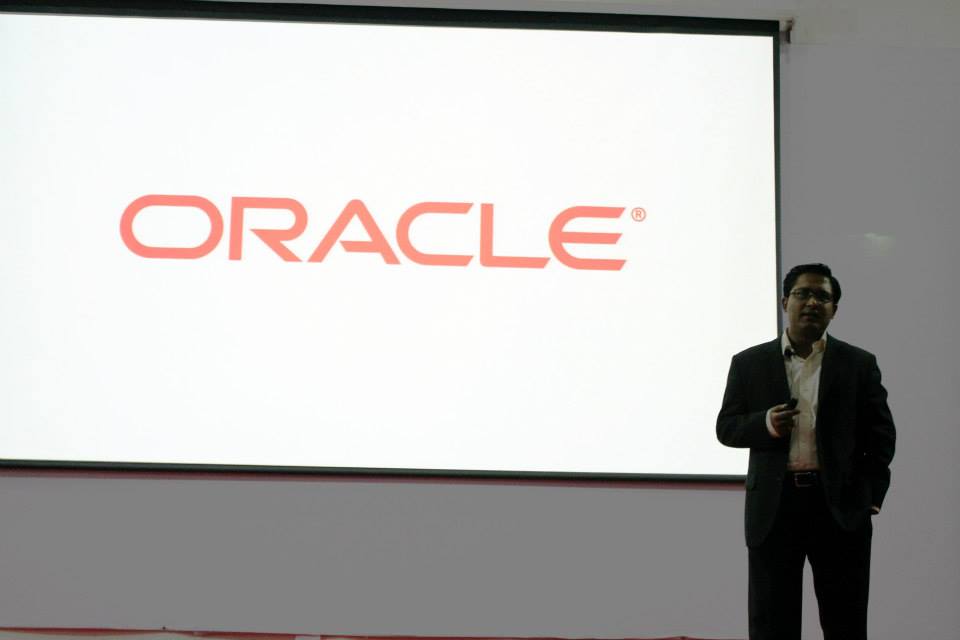
The students of IIM Kashipur had the privilege of listening to the guest lecture by Mr. Hirak Kayal , the Vice President of Applications Outbound Product Management at Oracle India. His prime responsibility is to drive Applications success and particularly Fusion Application adoption in India. He holds a Mechanical Engineering degree from IIT Kharagpur and did his post-graduate studies in Business Management from IIM Calcutta.
The agenda of the seminar was to discuss the emerging trends in technology and introduce the students to the latest business reality of SMAC, an acronym for social media, mobile, analytics and cloud. The convergence of the said four is considered to be the next huge disruptor in business technology since the evolution of internet.
The paradigm shift from the ‘buying’ model to ‘subscription’ model and its impact on business was discussed. The rise of social media, with over 1 billion subscribers, offers a great opportunity for companies to market their product. Approximately 83% of the internet users can be found on social media. The emergence of Facebook, twitter and LinkedIn has led to more targeted and innovative methods of marketing. But it has also come with its own share of problems. A customer is connected virtually to a large network of people who are further connected to other networks. In such a scenario, the information flow is quick and any negative or positive comment about a company can reach far more number of people than earlier. A popular example of the ‘united breaks guitar’ was also talked about in the seminar to give an idea about the ramifications of this connectivity and the power of a single customer in current market.
The emergence of smart phones has also had an impact on industry. The seminar briefly touched upon the Bring Your Own Device (BYOD) policy followed in industry. With the continuously increasing subscribers of mobile, it is imperative for the industry to cater to customers through this channel efficiently. The emergence of social media and internet usage on mobile led to the collection of a large amount of data. This data, which was initially not utilised to the fullest, is now an input to analytics that transforms this data into useful information using powerful tools. Data about the history of a customer shopping pattern, to know his preferences, helps in providing a customized service.
The recent emergence of cloud computing is a game changer. The various services that are offered are software as a service, platform as a service and infrastructure as a service. The seminar also gave insight about the various models like private, public and hybrid cloud. The consumerization of cloud services was also explained to the students.
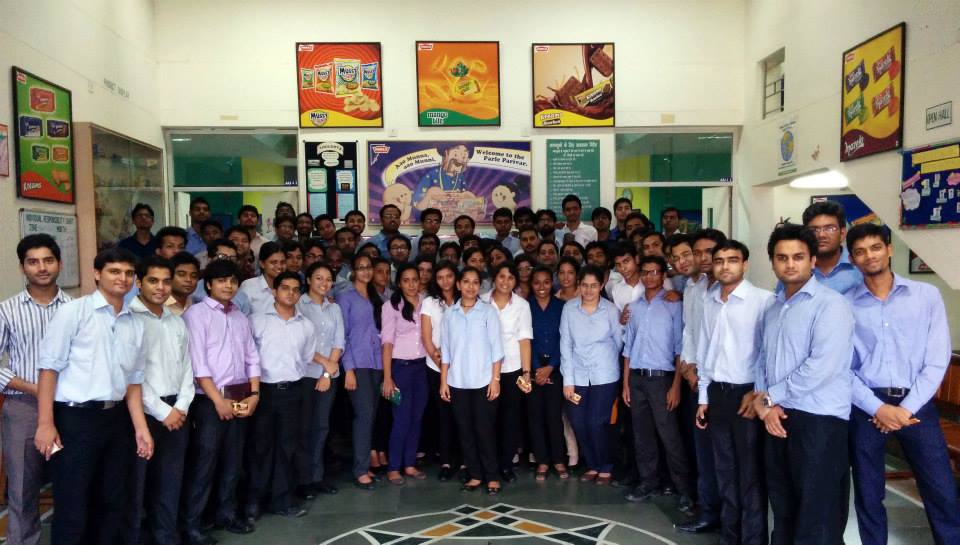
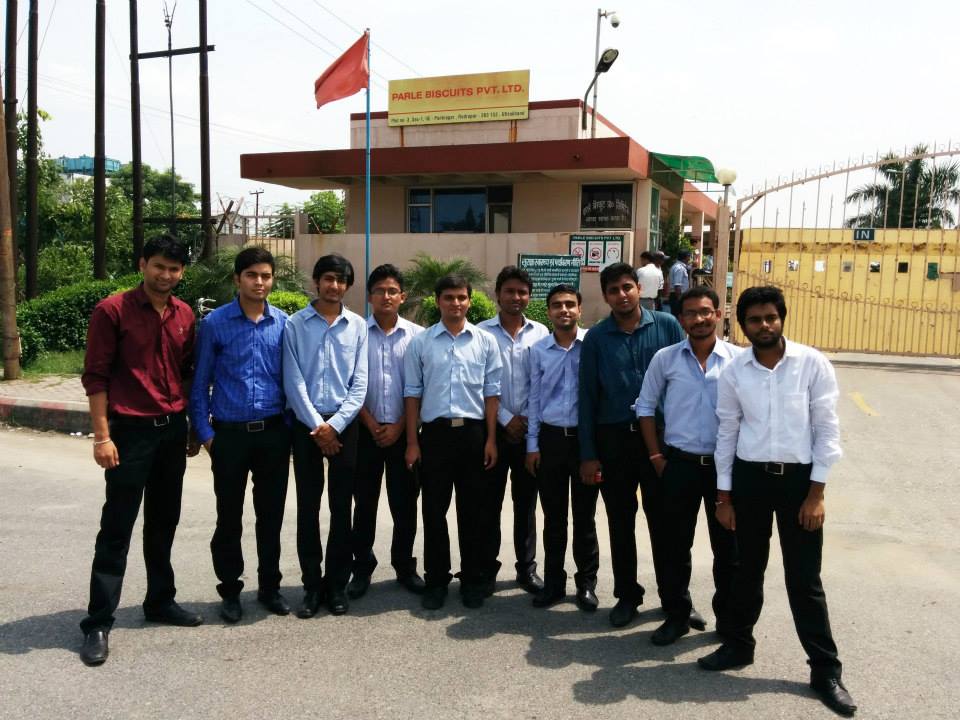
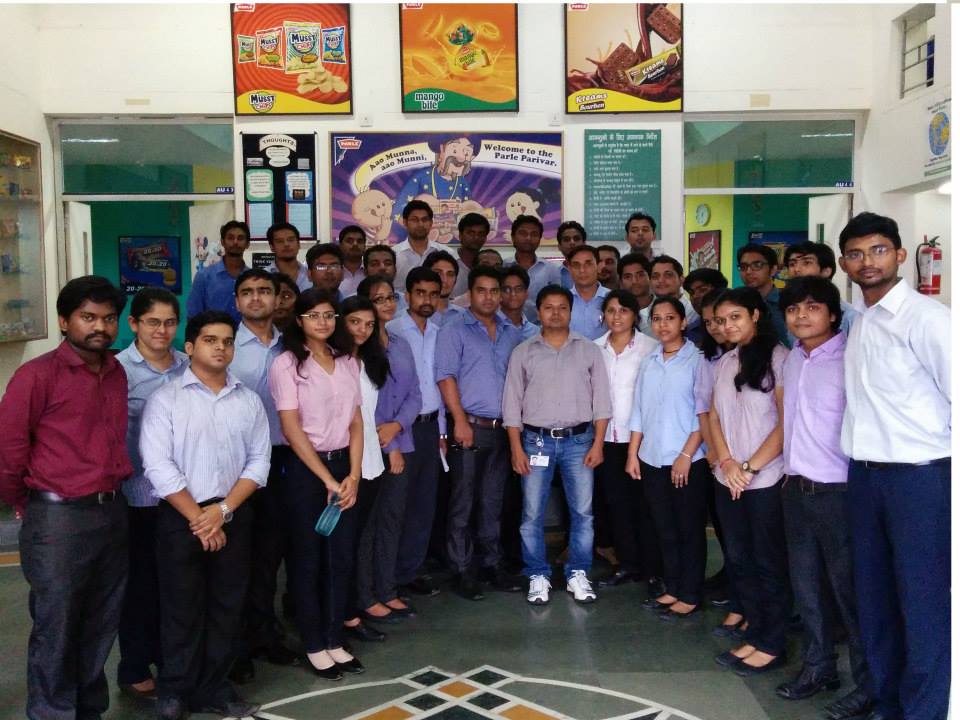
Being located in one of the densest industrialized belts of the country has its own perks and IIM Kashipur misses no opportunity to make the most of it. The plant visit to Parle Products in Rudrapur, marked the first industrial tour of the PGP 2014-16 batch of IIM Kashipur. It started with the screening of a virtual tour of a standard Parley’s production plant and an overview of the product line.
The virtual tour was followed by an actual tour of the production plant. The representatives were kind enough to personally take the students through the production process step by step. First, students gained insights on how testing of raw materials takes place before entering the production process. It was followed by an explanation of the working and importance of individual units of the automated system. It included the mixing of raw materials to form a mixture that is then further moulded into the requisite shape and size. Once the moulding is done, it is baked and undergoes a cooling treatment to catalyse the process. Finally, the students were lead through the packaging unit of the plant where all the items were being packed in a variety of packages.
At the end of the tour, a query session was also organised where the students got an opportunity to interact one to one with the representatives of Parle. The discussion was not only limited to the quality management and efficiency of the production process, but also forayed into other areas like how the location of a plant is decided and how production is varied according to the demand forecast from the marketing and sales department. Further discussions were done on the industry as a whole and how the three factors of price, taste and quality affect the success of a product.
Students took back a unique and educating experience with them when they left the plant.
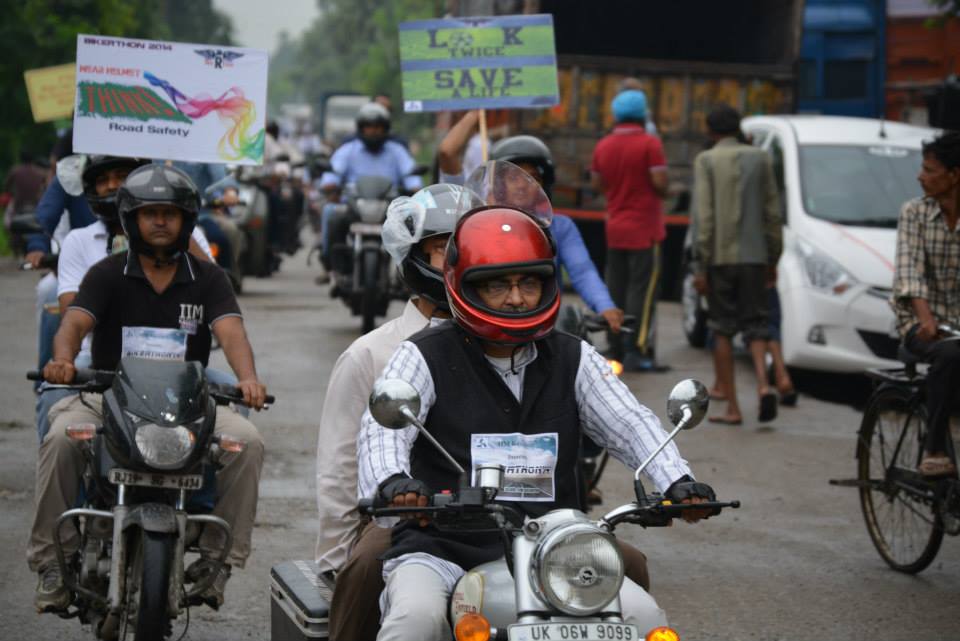
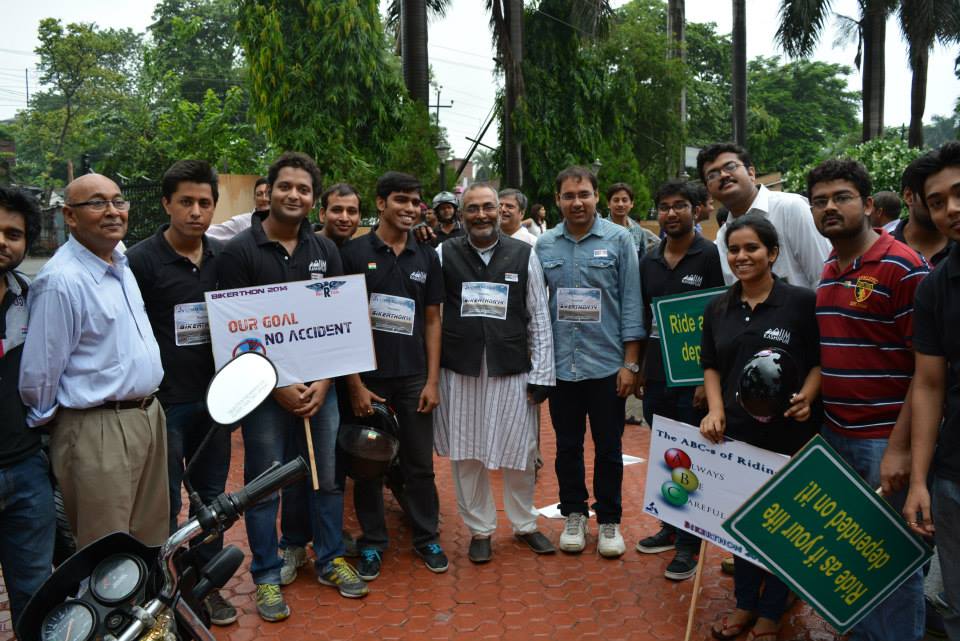
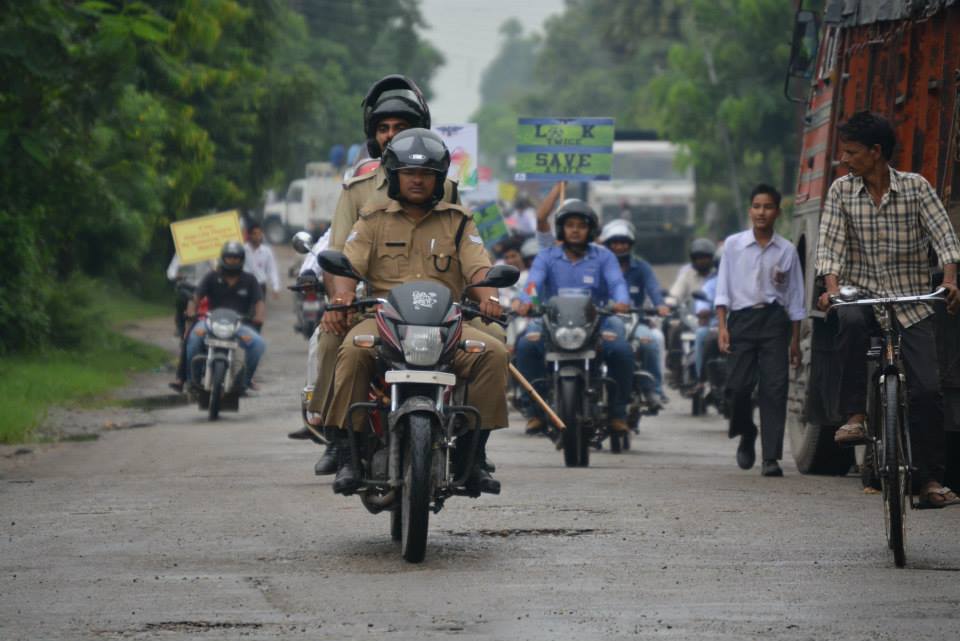
On the occasion of 68th Independence Day, IIM Kashipur took an initiative to spread awareness about use of helmets, following traffic rules and driving within speed limits to prevent road accidents. Bikerthon 2014 – the bike rally, led by our Director Dr Gautam Sinha and followed by faculty and students of IIM Kashipur included the whole city of Kashipur in this noble initiative.




















 The IIM Kashipur Blog