OnYourMark- The Marketing Club| IIM Kashipur

OnYourMark (OYM), the Marketing Club of IIM Kashipur, was established on 16th January 2014 by the students to promote and nurture the knowledge of marketing in the IIM Kashipur community. The raison d’être for OYM is to create an amenable ethos towards marketing. OYM strives to create enthusiasm among the students for the domain of marketing and guide them to explore their careers in this field. As it has rightly been said in the business world, “Marketing is not anyone’s job… It’s everyone’s job!”. The club seeks to make the student community well-versed with the recent happenings in the field of marketing to aid their industry knowledge and recruitment preparation.

OYM oversees several initiatives to achieve the club’s:

Vision: To improve the marketing acumen of IIM Kashipur & build a culture of Marketing studies.

Mission: Organizing student-centric events to involve maximum participation and benefits for all.

With the growing use of the online medium, the club adapted to new modes of learning and incorporated new initiatives to emanate marketing knowledge through channels like social media and video conferencing. The following are some key activities undertaken by the club to foster accentuated learning:
  • Forevision Workshops: OYM facilitated Marketing Workshops from Forevision in Digital Marketing and Advanced FMCG sales techniques training which had successful participation of 100+ students. These help them gain practical exposure to the current trends and tools through real-life case studies, exercises, and live demos which are increasingly used in businesses nowadays and enable them to think out of the box, just like a marketer is supposed to. 
  • CutPaste Article series: Carefully curated articles are handpicked by OYM and extracts illustrating the concepts are shared with the batch in an email blast to familiarize and update them with the latest, modern terminologies in a short period. This allows them to quickly grasp these concepts and also gives them an option to read the full article provided to enhance their understanding.
  • Open house discussions: Discussions on current events as well as concepts that students learn in classrooms are further deliberated to gain deeper insights into the subject matter. 
  • Guidance in case-studies: Conducting in-depth discussions on the cases in the curriculum to better equip the students with the principles used in a light-hearted environment. This gives the students confidence to contribute in class and further their knowledge.
  • Encouraging a culture of corporate competitions: Corporate competitions give students a chance to apply curriculum learnings and search for viable solutions to real-world business problems. OYM identifies marketing based opportunities from a plethora of competitions and encourages student participation.
  • Marketing Weekly – OYM collaborated with Marketing Weekly to help the students navigate the overwhelming sea of marketing content. A breakdown of marketing concepts as well as the latest news are illustrated in these weekly articles keeps everybody up to date with the current industry trends and expectations. 
  • Social Media Campaigns: From concepts, trends, and everything marketing, campaigns are run on OYM social media handles to create an enthusiasm for marketing. These posts provide interesting reads with a visual aid to engage the reader. 

OYM also conducts events year-round to engage students with practical exposure to marketing concepts so that they learn the application of the same.  
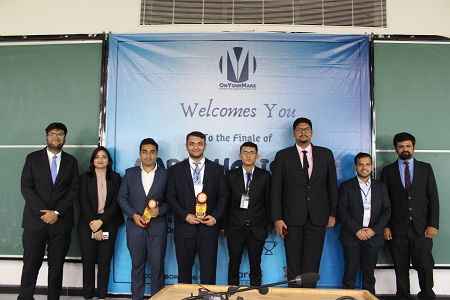
  • Guerrilla MarFair: A Guerrilla marketing event enabling participants to create displays and advertise any brand. The event boasts average participation of 125+ students every year.
  • Markaholic: The flagship case study competition of OYM is an event conducted during Agnitraya. It received the highest registration of 1079+ in the previous year with participants coming from many top B-schools like IIM Lucknow, IIM K, IIFT, etc. 
  • Online Week of Social Media Marketing: Participants create a video Advertisement based on the theme selected and strive to go viral on social media. This tests and hones the participant’s social media strategy and technique which is a quickly growing and required marketing skill.
  • MarQuiz: An intra-college marketing quiz competition aimed at inculcating a competitive spirit and encouraging teamwork. It focuses on expanding the students’ knowledge in the domain.

The club also conducts entertaining events to further pique the interest of students in the field of marketing by incorporating elements like brand-knowledge, wit, and the ability to pitch your ideas such as:
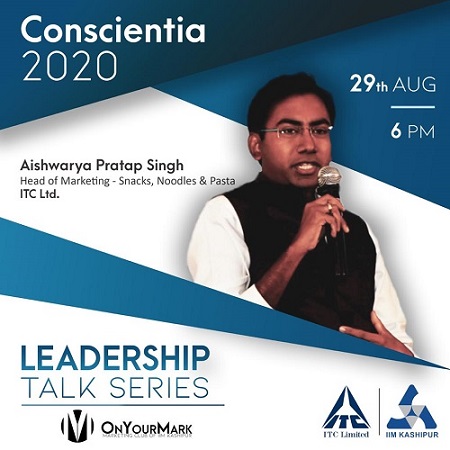
  • Ambush Marketing: The participants use their creativity to implement the tactic of Ambush marketing to ambush their rival teams during the Kashipur Premier League. 
  • Pitch Please: A test of persuasion and zeal is presented as a challenge to the participant in this event. They need to pitch a product, an idea, or a sellable item, and winners are crowned based on the votes they receive from the audience.
  • DumbCharADs: A fun-filled brand guessing game that tests students on their brand awareness as well as acting acumen.

In this way, the club presents a spectrum of potential possibilities in the field of marketing for a student to pursue. It keeps a buzz around marketing domain and fuels the enthusiasm of the students at its best.
Scope of MBA in Business Analytics – IIM Kashipur

Analytics is a booming field right now and there is a heavy demand for analytics professionals. An MBA in Business Analytics will give you an overall understanding of how the analytics industry works as well as what role you would be required to perform. You may want to tap into this challenging and demanding field if you have an analytical mindset or an interest in statistics. The multidisciplinary MBA in Business Analytics covers technical, corporate, management, leadership, and communication training as well as business-analytical qualifications.

The MBA (Analytics) program at IIM Kashipur is a two-year full-time residential program which aims to prepare managers and future leaders who will shape the increasingly technology-oriented and data-driven world. It focuses on grooming its students to acquire knowledge, skills and attitudes for leadership profiles so that they can seamlessly navigate the ever-changing business landscape. The primary objective of the institute is to nurture the students through a balanced mix of academics, industry exposure and co-curricular activities. Here is an overview of why and what all parameters one must consider before giving a thought of pursuing MBA in Analytics.

What to Learn?

An MBA trains business leader, including managers, and your primary area of education in business and management. Your MBA program, including “hard” and “soft” business skills, gives you a strong understanding of business fundamentals. This is taught in a fixed sequence of necessary courses or “core courses.” Some of the classes you may encounter as part of your MBA core include:

· Accounting

· Finance

· Marketing

· Ethics

· Operations

· Macroeconomics

· International Business

· Microeconomics

· Human Resources

· Leadership

Your concentration on business analytics will delve into specific business analytics and data expertise and also teach you to understand business issues via a data-driven lens. The most advanced business analysis tools, case studies, and projects, including real-world data, allow you to practice practically. Some of the classes you may see offered as part of a business analytics MBA concentration include:

· Spreadsheet Modelling

· Accounting Analytics

· Marketing Analytics

· Financial Analytics

· Business Statistics

· Applied Regression

· Principles of Management Science

· Data Mining

· Forecasting and Modelling

· Business Computing

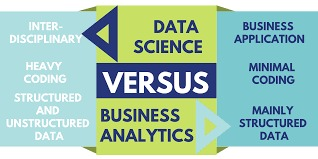
Data science vs Business Analytics are separate disciplines, which are quite often  used interchangeably. A layman may not be so concerned with this interchangeability, but professionals have to use the words appropriately, since they have a broad and immediate effect on the company.

Is Business Analytics and Data Science the same?

A Business Analyst’s job includes researching and extracting useful information to clarify business performance (present and future) from data sources. The correct plan to develop the organization is often decided by a Business Analyst. Whereas, Data scientists gather, analyze, and interpret broad data sets and use their analytical, mathematical, and programming skills to decipher valuable insights for solving difficult business problems. The three major factors that differentiate business analysts from data scientists are overall responsibilities, skill sets, and user interaction.

  • Overall responsibilities: The functional requirements that inform IT system design is provided by business analysts. On the other hand data scientists derive significance from the data generated and processed by such systems. Data scientists may also simplify the activities of the company analyst and be able to provide some of the market insights. Taking monetary benefits into consideration business analysts are slightly paid more than data analysts.
  • Skill Sets: Business analysts need data science expertise as well as skills related to communication, critical thinking, negotiation, and management. Whereas, data analysts need similar skills with a more in-depth emphasis on technological data manipulation.
  • User interaction: Business analysts also have more direct contact with system users, clients, system developers, and others as project facilitators and managers than data analysts do. That’s because market analysts will also interview individuals and learn more about how to enhance technology to help business processes. During the course of a single project, they work collaboratively with others. While data analysts can initially collaborate to define important data sets with internal subject matter experts, the majority of their work is performed independently.

Considering business analytics and data science domain, the former attracts the target base more owing to its business coherence and state of the art application-related job role. Apart from these there are few more benefits of pursuing business analytics which are as follows:

  • More informed decision making: Business analytics can be a valuable resource when approaching a substantial strategic decision. For example, when the company needs to analyze its product line update, business analytics can be applied to determine whether the updated product has resulted in faster service, more precise recommendations for resolution, and higher scores of customer satisfaction are achieved.
  • Improved operational efficiency: Analytics, beyond financial benefits, can be used to fine-tune company processes. Business analytics can be used to forecast business operations and assist the company by more effectively timing maintenance, enabling it not only to save operating costs, but also to ensure that it maintains assets at optimum levels of performance.

Is Business analytics a good career option?   

As digitization has become a buzz in recent times with technology and data being utilized from local grocery shops to well-sophisticated malls, the demand for business analysts also has increased significantly. Moreover, as per the statistics, for every hour, terabytes of data are generated by 6 billion connected devices. With this increasing demand, there is an insufficient supply of professionals.

From the above-mentioned courses offered by MBA institutes, one can get the knowledge of the following skills: Python, SQL databases, and R, Survey/query software, Business intelligence, and reporting software, Data visualization, Database design, Problem-solving skills, Effective Communication, Creative Thinking and Industry Knowledge. These help them to be the best fit for diversified job roles, which include data analyst, supply chain analyst, big data analyst, business analyst, marketing analyst, finance analyst, HR analyst, etc. The increasing demand for MBAs with analytical skills has made Business Analytics a relatively new and popular specialization in the management domain.

What is a Business Analytics MBA Job Market?

There is a shortfall of 1.5 million analysts, according to a report by the McKinsey World Institute. With an MBA in Business Analytics, you are eligible for a large range of careers, including popular C-suite jobs. This is because MBA graduates are qualified to hold leadership positions in a number of business environments. In all types of businesses, health industry marketing, supply chain management, data-driven decision-making is increasingly in demand. Based on their domain knowledge, skills and work experience, companies typically offer these job roles to candidates. The high demand for professionals with an MBA in Business Analytics is generated by MNCs, retail and manufacturing companies, IT companies, e-commerce companies, consultancies, telecommunications companies and business analytics and intelligence companies. MBAs are hired not only by MNCs but even by startups. As an MBA is primarily a business degree in Business Analytics, you will not be looking at data science work. You’ll be eligible for data-driven positioning instead. You will also have the advantage of competing with a background in analytics for more general positions in business management.

To conclude, the MBA in Business Analytics is an upcoming field of expertise in all sectors of the industry that is gaining increasing traction. The specialization demonstrates a positive and promising outlook, and you can go ahead and begin your MBA journey in Business Analytics for those of you who have long been skeptical about choosing this career path!

Deshmaa RT and Sakshi Poddar

MBA (Analytics) 2020-22

Indian Institute of Management Kashipur

HRhythm - The HR Club | IIM Kashipur

Human Resources is one of the most sought-after domains for students who enrol every year to pursue an MBA. HRhythm-The HR club of IIM Kashipur comprises aspiring HR professionals, focused on providing HR-related content and making students abreast of the current industry practices. Hence, they leave no stones unturned to make the students aware of the opportunities and competition present in the domain in terms of B-school and corporate competitions.

HRhythm conducts a plethora of activities to cater to the interest in the Human Resources domain. The club has adapted to changes in the learning behaviour. It continues to implement them to efficiently impart knowledge and develop the interest of people in the field of Human Resources.

HRhythm conducts events encompassing various HR themes to accomplish the objective of amassing the HR enthusiasts nationwide by providing them with a platform for showcasing their HR skills. Apart from discovering and honouring the country’s talents, these events also provide a conducive environment to sharpen the ‘HR skills’. Some of the famous events by the club include – 

No alternative text description for this image
  1. Scribble Dribble

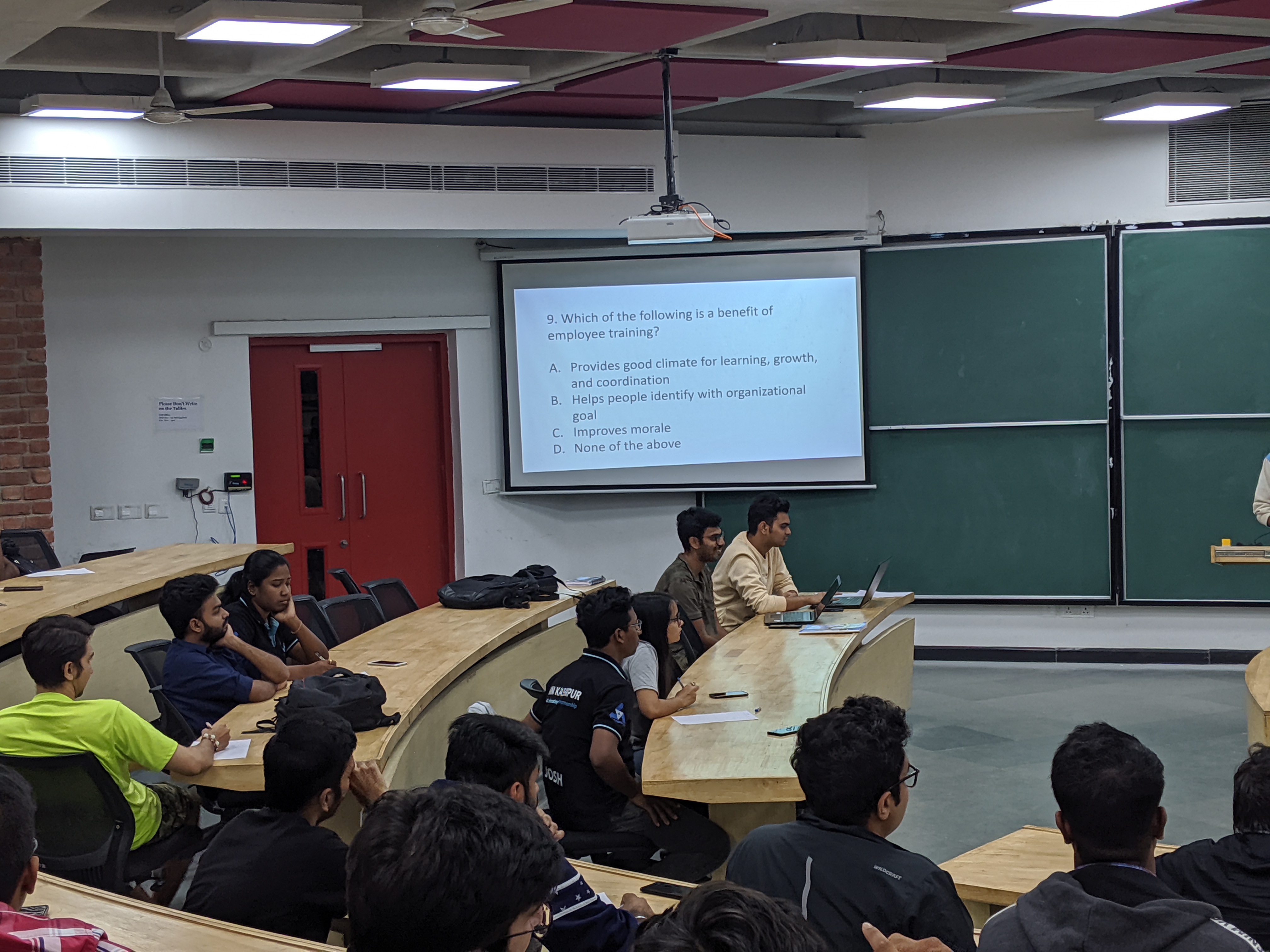
Scribble Dribble is a Pan India article writing competition which encourages the bright minds of Indian B-Schools to draft an innovative article pertaining to the domain of Human Resources. It is conducted every year with an additional attribute that makes the event more stimulating than before. Both undergraduate and MBA students, across the country participate in huge numbers with great enthusiasm to demonstrate their writing skills and HR acumen. This year, a quiz-round was added to the existing competition structure, before the article-writing round to test the basic understanding of the HR concepts in a participant.

2. Pragyan

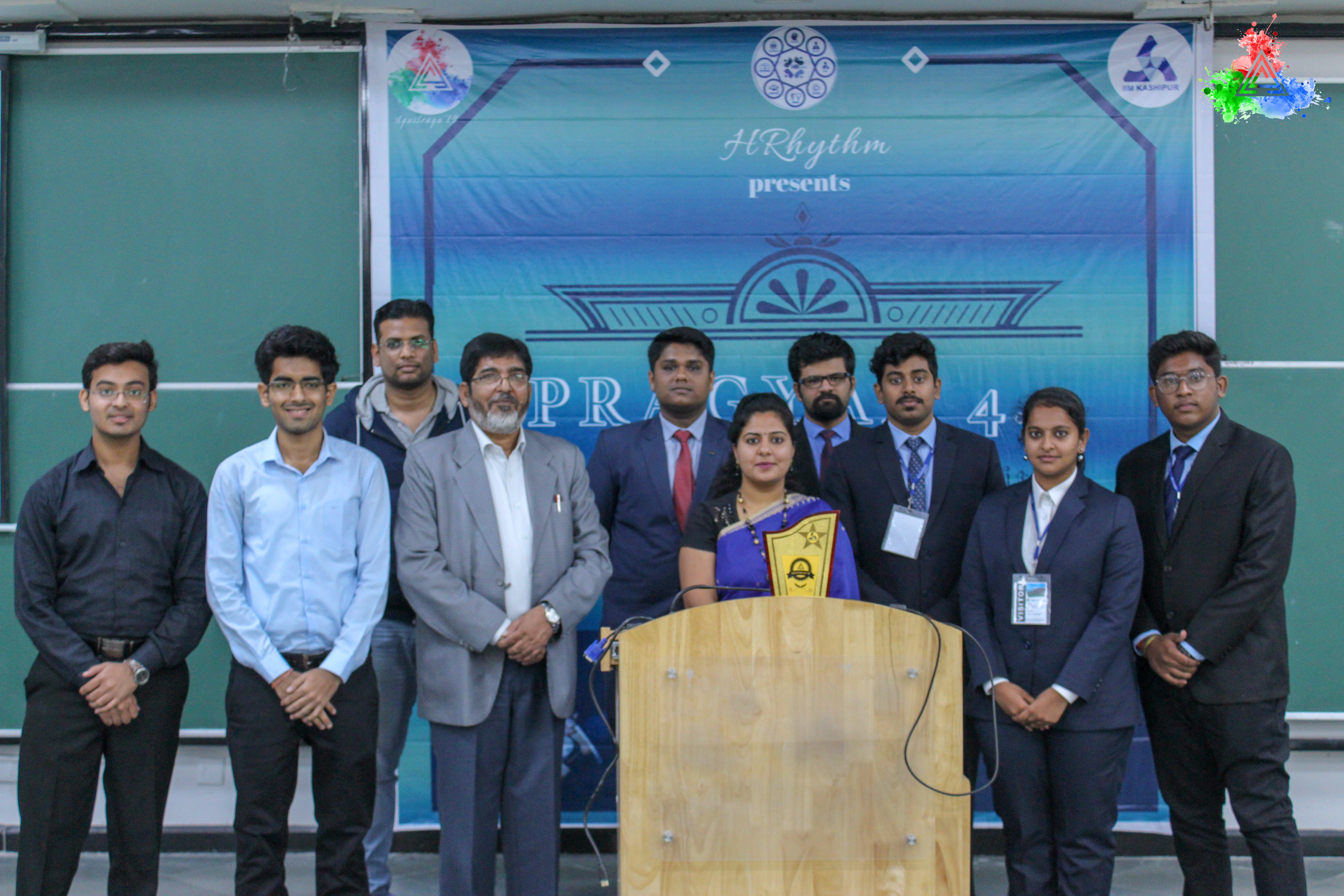
This is the annual flagship Case Study Competition hosted by the club. The participants are given a set of real-world scenarios that reflect the current problems faced in the corporate world, specifically in the HR domain. The motive is to let the participants take a peek into the state of affairs in most organizations and to make them savour the essence of solving simulated real-life corporate problems.

3. HResilience

In HResilience, the participants wear the hat of Labour Union Leaders and Employee Relation Manager, to showcase their bargaining expertise, problem-solving skills, and empathy for solving the persisting employee problems via reaching an amicable solution at the end. This event is also conducted to provide students with the industry conflicts that emerge in real case scenarios and apply HR concepts to come up with the optimum solution.

4. Negotiator 

This event encourages students to display or showcase their negotiation skills when confronted with a real-life business case. ‘Negotiator’ allows participants to be in the shoes of the CHRO and provides them with a platform to present their solution for the problems prevailing in the organization. It challenges their critical thinking, decision-making ability, analytical skills, and emotional intelligence to come up with the best possible solution in the given scenario.

The club utilizes its social media handles as a platform to impart knowledge about the HR world, with an additional essence to the content to make them cater to an average individual with even little to no interest in Human Resources. The club has consistently posted articles, and other relevant content on social media handles to promote students’ interests and keep them updated with the relevant information. Following is a walk-through of the HRhythm’s efforts:

  • Interactive content in the form of small videos and slides facilitates human resource learning lucidly. Audio-visual content aims at learning, brushing, implementing HR concepts.
  • A regular series of content uploads in the form of infotainment. Articles based on an amalgamation of HR concepts with mainstream Pop-Culture to generate interest in the student community.
  • Personality development and interview tips which help students to survive, sustain, and flourish in today’s competitive environment.
  • To complement classroom learning with corporate implementation, HRhythm is currently working towards organizing a series of interviews with industry experts. A summary of the same would be shared with the students in the form of a write-up or video. Inputs from industry experts will help students in gaining insights into the real-life HR world.

These efforts have not only increased the club’s social media presence but most importantly, it has been able to spark the desire inside many people towards the HR domain and it continues to do so.

Also, the team invites leaders from the corporate world to share their understanding of the domain and talk about the experiences that shaped their career as a young HR aspirant. They believe students should always perceive the reality and not illusions, which reflects in the engagement activities carried out by the club. Knowledge sharing sessions by Executive Members have been conducted to make students aware of recent happenings in the field of Human Resource Management, which will help them in acing selection processes for HR roles.

HRhythm also undertakes the responsibility of representing IIM Kashipur in the Human Resources domain and this involves maintaining relations with HR Clubs of other premier B-Schools across the country. This, in turn helps the students at IIM Kashipur to seamlessly participate in HR events of these institutes and thus creating synergy. Such relations would provide mutual benefits as students can participate, learn and win competitions. With this, the club has been able to establish the flag of IIM Kashipur in the sphere of human resources.

Unraveling the Natural Gas Industry with Mr. Shikhar Gautam | Alumnus, IIM Kashipur

Mr. Shikar Gautam, Alumnus of IIM Kashipur who has completed his PGP in the year 2017 is currently holding the position of Senior officer at GAIL (India) Limited. The Alumni Relations Committee of IIM Kashipur has served as a bridge to beget  valuable insights about the Natural Gas Industry from our erudite alumnus. This article covers the holistic perspectives on various questions dealing with the Natural Gas Industry through the lens of GAIL (India) Limited.

Q. Why is there so much accentuation around a gas-based economy?

The government released Natural Gas Marketing Reforms in October 2020 to work in that direction, how will it boost natural gas marketing and increase domestic production, while ensuring a fair competitive market.

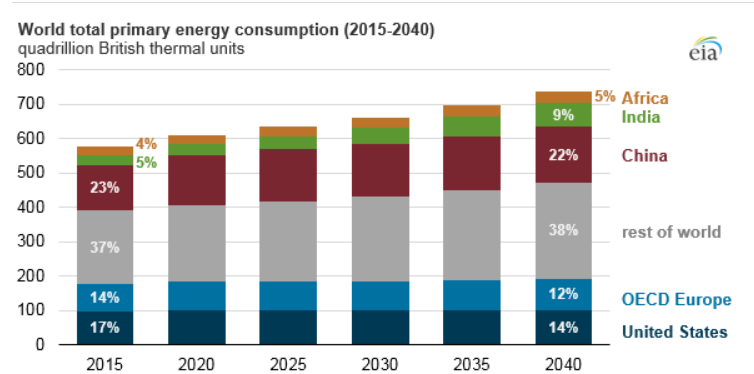
India comprises 17.7 % of the world population but only consumes about 5.8% of the total energy. As per the World Bank, the world average per capita energy consumption is 3 times over India’s energy consumption. Countries like the United States, China with 10X per capita energy consumption as compared to India are still adding energy capacities to their existing portfolio and are shifting towards cleaner energy alternatives.


India’s energy consumption has doubled since 2000 yet around 240 million people remain without electricity. To cater to and satisfy the energy requirements of the country, India’s power system needs to quadruple in size by 2040 and focus on the choice of fuel it uses. To fulfill the rising demand and restrict the use of polluting fuels like coal and oil, India needs to plan and strategize the right energy mix which can sustain the changing environment. In 2018, global wind power capacity grew 9.6% and solar power accounted for about 2% of global power requirements. 

India’s endeavor towards a Gas Based Economy and natural gas has been identified as a sustainable option to create a balanced Indian energy basket. Hydro and nuclear plants are usually operated at 100 % capacity therefore it is not feasible and recommended to operate them under capacity or to shut them on/off frequently. Due to the unrivaled capacity of gas-fired power plants to ramp up and down quickly, gas-fired power generators are much more adept at adjusting output based on residual demand resulting from wind and solar power than other hydrocarbons such as coal. Accordingly, natural gas electricity generation is increasingly employed to support wind power as the latter continues to grow. As the market share of wind power increases, the amount of fuel needed to provide backup to wind will also increase. This means that natural gas power, wind, and solar power are likely to be tightly linked in the short-to-medium term.


By 2040, Electric Vehicles which are thought to be competing against Natural Gas Vehicles would comprise 55% of new car sales and 33% of the global car fleet. Electrified buses and cars would displace a combined 7.3 million barrels per day of transportation by 2040. In order to shift to a cleaner energy system and cater to such a volume of electricity requirement, it can be deduced that the EV charging stations would require electricity from cleaner sources keeping in mind the emissions from the use of coal in electricity generation. With the natural gas infrastructure in place, the future electricity requirements can be fulfilled by Natural Gas through large power plants as well as small captive plants at commercial parks/ residential complexes where natural gas can be directly used at the point of electricity consumption.  A pilot plant of 10 MW capacity is already operational and supplies electricity to DLF’s Cyber City, a major commercial centre housing multinational corporations and leading business house.

Natural Gas Marketing Reforms in October 2020:

Government now also allows pricing freedom for new and upcoming fields to domestic producers as the existing domestic pricing formula is making natural gas production economically unviable. The system was based on the crude price indices of the US, Europe, Canada, and Russia. This system was becoming irrelevant day by day and needed to be scrapped.  

The objective of the policy is to prescribe the standard procedure to discover the market price of gas to be sold in the market by gas producers, through a transparent and competitive process, permit Affiliates to participate in the bidding process for the sale of gas, and allow marketing freedom to certain Field Development Plans (FDPs) where Production Sharing Contracts already provide pricing freedom.

Oil Secretary recently revealed that govt. is planning some more reforms in the upstream sector to make it attractive for investors

Q. Can you please shed some light on the recent GAIL project of the Kochi-Mangalore which was virtually inaugurated by PM Narendra Modi?

The 444-km long natural gas pipeline was launched in 2009 at an estimated cost of Rs 2,915 crore and was to be commissioned in 2014. But opposition on safety and commercial grounds wherein the land price was the main hurdle, both from political parties and the public, ensuring that the project lingered on. This led to the project cost nearly doubling to over Rs 5,750 crore.

Situations like these are common in projects which involve dependency on external agencies for their completion.

Some common problems include:

  • Difficulty in route planning because of the growing population 
  • Farmers demanding higher land compensation, route diversion, etc.  
  • Records of ownership and land possession certificates are not easily available
  • Inadequate Mobilization of construction equipment, Specialized equipment
  • Like in this case: Resistances of farmers, Farmer bodies – instances of associations, PIL, litigations, etc.

GAIL was ready to complete the project this August, but a 540-meter stretch across the Chandragiri River became a nightmare. The project crosses as many as 96 waterbodies south of the Chandragiri River. So as a way out, GAIL reduced the diameter of the pipe to a fourth — from 24 inches to just 6 inches now. But this is only a temporary arrangement and the work to lay the 24-inch pipe will resume soon 

Today the pipeline supplies 3.8 million cubic metres of gas every day to industrial and residential customers in Kochi and is set to cross 4 million cubic metres soon in the city itself, while Mangalore has a potential of 2.5 million cubic metres per day

With the commissioning of the pipeline, gas demand in the state will touch 80-90 million cubic metres per annum from 60 million cubic metres now.

The pipeline is also a big boost to the struggling Kochi LNT Terminal of Petronet which has a capacity of 5 million tonne annually but 90 percent of capacity has been idling due to the delay in completing the Kochi-Mangalore pipeline and with the commissioning the capacity utilization of the LNG terminal will go up to 25-30 percent.

Apart from huge environmental gains, the state can also gain monetarily as it can get up to Rs 1,000 crore by way of taxes alone. Supplying to the Kochi region alone helps the state earn over Rs 340 crore annually in tax revenue.

Q. GAIL won the Leader Award at Frost & Sullivan and TERI’s Sustainability 4.0 Awards 2020. Where does sustainability stand for GAIL, especially in an industry where resources can be easily exploited.

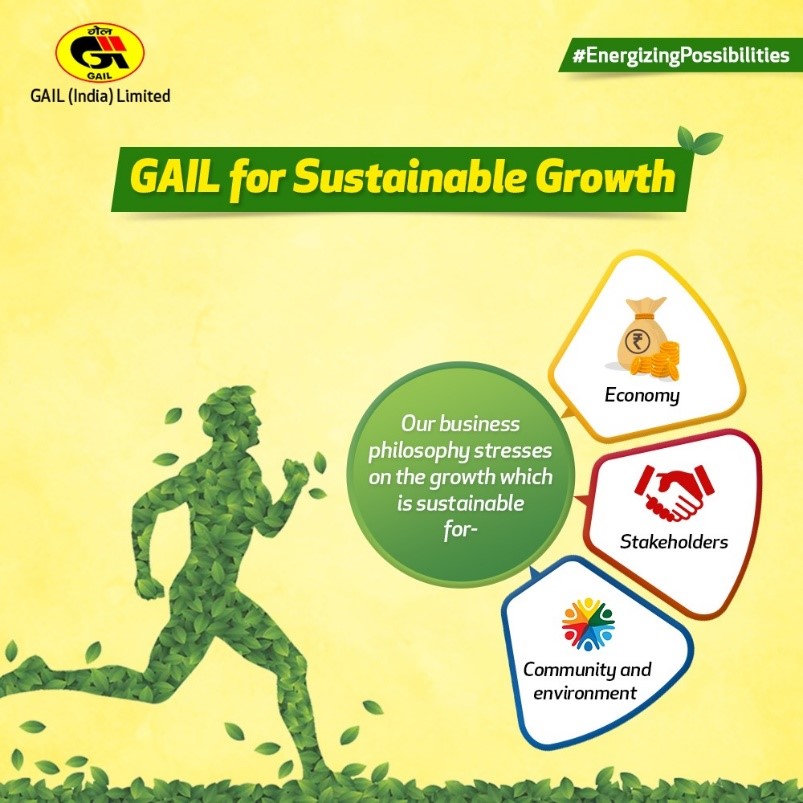
Talking about sustainability from GAIL’s point of view. GAIL has engraved the word “Environmental Responsibility” in the company’s vision statement.

GAIL has a dedicated Sustainability department working towards a Sustainable Future.

The company has been disclosing environmental, economic, and social performance since 2011 through annual sustainability reports. Through sustainability reporting, the company analyses its strategy, set goals and targets, measure and advance performance, and ultimately develop a sustainable business model that adds value to the society

Along with Frost & Sullivan and TERI’s Sustainability 4.0 Award, GAIL also received FTSE4. Good Index series certificate in June 2020.FTSE4Good is a global sustainable investment index series, designed to identify companies that demonstrate strong Environmental, Social, and Governance (ESG) practices measured against international standards.

Apart from this, some Initiatives of GAIL towards sustainability:

  • Hawa Badlo (Change the Air) is a one-of-a-kind initiative by GAIL. It is a campaign to drive behavioral changes in making our cities air pollution-free. The campaign has digitally touched more than 100 million lives, enabling people to make a direct link between their energy consumption patterns and the impact on their health and the environment. The goal is to motivate people to voluntarily switch to more economic and environmentally friendly ‘natural gas’.
  • SATAT’ (Sustainable Alternative Towards Affordable Transportation) is a scheme launched by the Ministry of Petroleum and Natural Gas to promote Compressed BioGas(CBG) as an alternative, green transport fuel and is being implemented by GAIL
  • THE estimated CBG Potential from waste/biomass in India is 62 MMTPA. Under SATAT, it is planned to target 25% of this potential ~ 15 MMTPA by 2024 through 5000 CBG plants (~ 8 TPD ~ 10000 SCMD). CBG shall be produced by Entrepreneurs and OMCs, GAIL along with it’s Associates and Joint Ventures will provide marketing tie-up to CBG Entrepreneurs

Other environmentally conscious decisions include –

  • Having more than 40% of GAIL landholdings covered by green belts and water bodies across all the locations
  • GAIL has carried out multiple studies to assess the potential for the installation of solar power plants at its sites pan India. Implementation of solar power is in progress at shortlisted sites.
  • GAIL has also embarked upon the journey of adoption of the GreenCo Rating. This rating helps in making products, services, and operations greener.
  • GAIL revised its Sustainability Policy considering the new national and international developments such as UN Sustainable Development Goals, India’s Nationally Determined Commitments among others.

When we talk about renewable energy GAIL has a portfolio of-

  • 130 MW – Renewable energy portfolio (118 MW– Wind and 12.26 MW – Solar) 
  • 120 Sustainability projects – Investment of INR 80 crore 
  • Renewable energy generation– 1,76,200 MWh (Moving towards renewable energy)

Econs – The Economics Club | IIM Kashipur

Image may contain: text that says "ECONS ECONOMICS CLUB IIM KASHIPUR"

Econs – the Economics Club of IIM Kashipur is one of the seven academic clubs of IIM Kashipur. Econs bears the responsibility of increasing awareness, generating inquisitiveness, and fostering passion among the students and faculty in the field of economics. 

The economics club was founded in the year 2019 as an interest-based club to impart knowledge, invoke discussions and conversations pertaining to economics, and highlight its importance and linkages to different business domains. Late American scholar Warren Bennis said that “Success in management requires learning as fast as the world is changing”. Keeping up with this notion, the club has found it extremely pertinent for aspiring managers to be aware of “Economics” affecting their daily lives and make them better prepared to tackle business situations efficiently. Since its inception, Econs has gradually attained the status of a core academic club and has carried out a plethora of activities in this direction.

Image may contain: 1 person, sitting, text that says "Budget Highlights the current fiscal. For FY21, Rs 4.99 lakh crore; FY20 fiscal deficit revised .8% from 3.3% fiscal deficit ena 3.5% Net market borrowing for FY20 crore. Nominal GDP growth 2020-21 estimateda 10% Receipts 2020-2 estimated Rs 22.46 lakh crore. Expenditure the year 2020-2 Rs 30.42 lakh crore. FY21 it's pegged"

In the first year of its functioning, the club conducted ‘Arthashastra’, the flagship event of Econs, during Agnitraya 2019, which saw participation by around 450 teams from various B-schools across India. In this competition, different teams designed a feasible economic policy of their choice that resonated with India’s ultimate goal of achieving a five trillion-dollar economy. Along with that, Econs also conducted an ‘Infographics Making Competition’ covering topics like the future of banking, green Economy, and the effects of immigration on the Indian Economy. Econs also conducted the ‘Union Budget Prediction Competition’ wherein the participants had to guess highlights of the Union Budget and the participant with the closest prediction took away the prices. The event was welcomed with utmost enthusiasm.

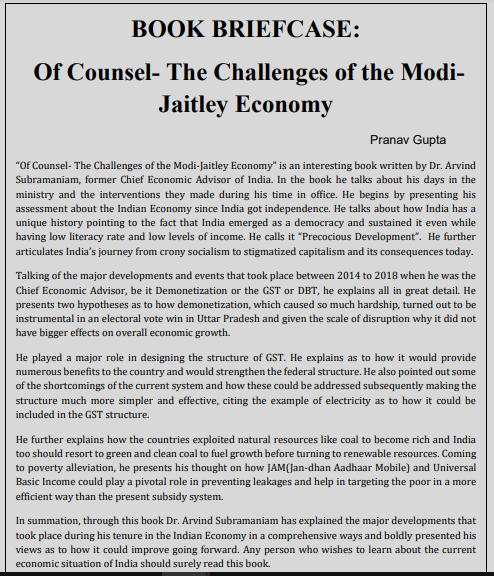
The club makes the students aware of the domain by posting short articles bi-weekly through its social media handles on Twitter, Instagram, Facebook, and LinkedIn. For the academic year 2019-20, the posts have covered topics like RBI monetary policy highlights, US elections impact on the Economy, and Atmanirbhar Bharat 3.0 to name a few. Along with the weekly posts, social media handles also feature monthly newsletters. The club shared this academic year’s first newsletter for the month of October 2020. The comprehensive issue featured the fragile state of the NBFC sector in India along with articles on comparing the Chinese Economy with the Indian Economy and giving a brief about the economic aspect of “Stubble Burning”. With an objective to inculcate the interest in reading in the field of economics, the newsletter also featured a review of a famous book ” Of Counsel-The Challenges of the Modi-Jaitley Economy” written by our former Chief Economic Adviser, Government of India, Mr Arvind Subramanian. Along with these, the newsletter had lighter sections like “Jargons” and “Current Affairs” too.

The club provides a platform for all the people to discuss, debate, and design on the current economic developments and government or regulatory policies and announcements. Throughout the year members of the club also conduct knowledge sharing sessions through case studies, quizzes, and games to instil and fuel a growing interest among students to understand and analyze their theoretical concepts towards practical applications.

Image may contain: one or more people, text that says "Conscientia 2020 27 SEP Dhiraj Nayyar Director, Economics & Policy Vedanta Resources Limited Former- Officer Special Duty Head, Economics, Finance Trade, NITI Aayog 4 PM LEADERSHIP TALK SERIES ECONS IIM KASHIPUR vedanta transforming elements MKASHIPUR KASHIPUR"

On the corporate front, the club extensively interacts with experts and industrial stalwarts in the field of business and economics to share insights regarding the latest happenings through a seminar or a lecture. Econs became the first academic club in IIM Kashipur to conduct a guest lecture in Conscientia 2020 leadership talk series. The eminent speaker of the guest lecture was Mr Dhiraj Nayyar, the Chief Economist of Vedanta Group and a former member of NITI Ayog, who delivered an insightful session on the relevance of economics for the managers.

Through its numerous strides in continuously highlighting different aspects of economics, Econs has achieved a distinct recognition in keeping up with its mission and being a forerunner for the same. The aim is to increase awareness about Economics among students. Our mission is to inculcate interest among the students of IIM Kashipur in economics and help them understand how economics is interlinked with various fields. We work to bring together all the economics and business enthusiasts inside and outside the campus together to discuss and debate the major economic events of the world to foster new ideas for the future.

Consilium - the Consulting and Strategy Club | IIM Kashipur

Opportunities! “Consultants must find newer opportunities. If you can’t find one, create one.” This is precisely what Consilium strives to do – creating opportunities!

Consilium, the academic club of IIM Kashipur deals with Strategy and Consulting aspects of  Management. Since its inception, Consilium is determined to assist the students with preparation, comprehension and expertise in this domain. The club continuously collects and updates relevant resources to enhance the knowledge of the community. With the changing business dynamics across the globe and shift in the recent global order, Consilium ensures that the students are equipped with the latest trends and have hands-on learning experience throughout the academic year.

Established with the vision of nurturing students to become the future leaders in the domain of consulting and business strategy, Consilium has been consistently working in this direction by conducting case study competitions, knowledge sharing seminars, guesstimate workshops and the most anticipated-industry interactions.

The Domain

“Without strategy, execution is aimless. Without execution, strategy is useless.” – Morris Chang

Consultants often find themselves interacting with different verticals and domains of the business. It requires solving problems not just through single domain optimization but via a collective approach encompassing all domains. The problems can be visualized with say an example where an organization wishes to analyze the pros and cons of venturing into a new market, which will require an understanding of marketing, finance, supply chain, operations, and a fair knowledge of relevance between all of these. That is where strategy comes into play. The methodology does not limit to one vertical but through a broader lens for looking at multiple domains.

Roadmap

The journey with Consilium starts with the very first month in the MBA curriculum at IIM Kashipur, where students are provided with the introduction to Strategy Frameworks, Consulting interview questions and reference materials. These resources assist students not just to gain a perspective in the domain, but also to comprehend highlights of the practices that are used in further stages.

Moving forward, Consilium provides a variety of hands-on opportunities through case competitions, business simulations, questionnaires and industry connections. The club is managed by Executive members who have demonstrated the knowledge and expertise at National level having a flavour of participating and winning reputed B-school and corporate case study competitions like Flipkart Wired, Thoucentric Bottoms Up, etc.

Consilium Insider

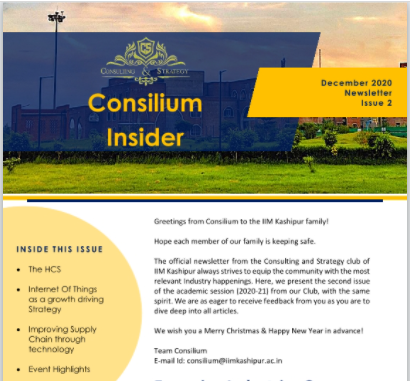
Consilium’s monthly newsletter shares the best practices, strategies and changing dynamics from different industries ranging from sports, FMCG, Petrochemical to latest Industry 4.0. Further, the newsletter comprises frameworks and their usage in real-life business problems from these industries. The club also ensures that the resources are not just limited to a monthly basis, and provide consistent updates through our social media channels.

The theme for the November Newsletter had been Covid-19 impact on business strategies covering the impact on the Sports and Oil industry along with the role of Digital trends in business expansion.

ForeSight Series

“It’s not about money or connections – it’s the willingness to outwork and outlearn everyone…And if it fails, you learn from what happened and do a better job next time.” – Mark Cuban

In Foresight Series, the academic experience in consulting and strategy is tested through gamified quizzes, guesstimates and infographics. Foresight comprises three events throughout the year, offering a constant opportunity to compete with peers and test their mettle in solving real-world problems. Due to pandemic, Foresight 4.1 was conducted online with a mix of quiz to cover domain knowledge and guesstimates problems to prepare students for interviews.

Industry Connect

Consilium brings together experience from industry leaders in the consulting and strategy domain. Students get to explore from real-life experiences of consultants and explore insights from the challenges they face, the thought process behind critical decisions taken and the key takeaways from years of experience in the domain.

EndGame

EndGame is a national level simulation designed on a business scenario wherein the students walk the consultants’ shoes and apply their knowledge to compete with peers from other B-schools. It involves the application of academic knowledge from various facets of decision making, marketing and economics. It also tests the strategic forecasting and understanding of competitive dynamics in real-life situations. Further, the event demonstrates the presence of zero-sum game, to create similarity with as much real-world dynamics as possible.

Consulting Knights and Ranbhoomi

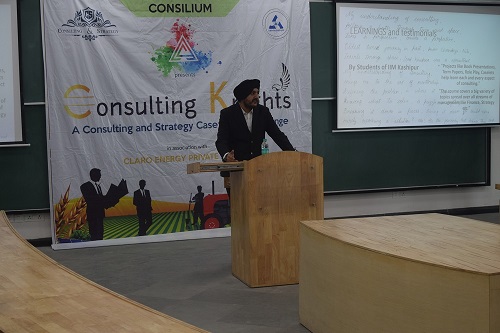
Consulting Knights and Ranbhoomi provides a diverse and enriching experience in solving cases at Pan-India level. Students utilize their knowledge of all disciplines to prepare strategies for business cases in teams. This event is organized in collaboration with various organizations like Havish M Consulting, to get an essence of existing business problems.

Consilium Conversations

In the academic year 2020-21, the club initiated a strategy-talk series “Consilium Conversations” wherein it invites budding entrepreneurs and industry stalwarts from various domains for a conversational interview. It focusses on unearthing the strategies that go behind creating a successful business or project. The motive behind the series is to inspire the students to develop strong critical-thinking skills required in strategy & consulting roles and learn about the latest developments in the industry. With each initiative, Consilium creates a robust environment for the students to learn and challenge themselves in the field of consulting and strategy.

A traveler of time- by Mohib Ahmed

These are lines written by me as I was pondering what it would be like to travel time. I wanted to go against the established Romanticism around traveling time, the exploration and discovery and what I really wanted was to shun the idea of using it as a plot device.
What I set out to accomplish, was to understand and explore how psychedelic it would be to travel time, how one might lose track of what’s happening as everything, at least to his or her mind, is happening at once as he or she can see time, not as a moment in which he or she is, but stretched out, all moments combined.
I wanted to explore what toll it would take on one’s body and mind.
The poem is in free verse, so it goes against common notions of poems as being rhythmic.
For those who do not know what free verse is, its a form of poetry devoid of rhythm, meter or any musical pattern. I like that form because it is raw and I believe that though putting words in a rhythm is an art in and of itself, much of the intimacy and urgency is lost in trying to write your thoughts while figuring out a rhythm for them.

A traveler of time

Lost in time, shattered reality.
Confusion, apprehension, panic
Like bare live wire, megawatts of
Electricity, explosions, illuminate
The insides of the brain.

Vestiges of fading memories,
Interposed one between another,
A negative on a negative on a negative,
Inverted hues, inside out,
Unfamiliar, ethereal, images amalgamated.

Past swallowed by the future,
Future becomes the present.
Few moments stretched over an eternity.
A rubber band stretched for light years,
Your consciousness thins

Reality bleeds of color,
Drained black and white, gaunt face
Looking into gaunt eyes, the mirror
Reflections, lost to the ripples of
The horizon-less sea, infinite

This poem is created by Mohib Ahmed, Batch of 2018-20, IIM Kashipur

Indian Youth Delegation- My experience in China

The People’s Republic of China is something that rises out of the mist of culture, cradle, and communism in the mind of every history buff. A constant hurdle imposer to India in the global political framework but a close ally in the rally of “Make Asia Great Again”, I received the opportunity to represent my country among the youth of this country- People’s Republic of China.

I was among the chosen 200 students across India who arrived in China, all decked and dressed, to unfold the extraordinary learning experience of our lives. Being a part of such a huge diverse contingent, I was mesmerized by the level of knowledge the youth of India possesses. Before arriving in China, we were advised to learn about Chinese culture. I read books, blogs, anything, and everything to make myself well versed but no amount of reading can match the experience which I had when I actually visited those sites.

We were told about the history of China and how Beijing became the capital of China. On 1st October 1949 Peking, the former name of Beijing became the capital of China. In the Mandarin language, Bei means north and Jing means Capital. Beijing has a rich history of over 3000 years. Beijing can be termed as both modern and ancient capital of China. Beijing has the highest number of UNESCO World Heritage sites consisting of 7. Beijing has a population of 23 million people. Beijing experiences 4 seasons in a year- summer, winter, autumn and rainy season. The city is surrounded by Hills and mountains from 3 sides.

While traveling, the delegates were in awe of the infrastructure and the cleanliness of the roads of the city. I was amazed to see how lane discipline was followed and how proper spacing was maintained by the drivers of vehicles.

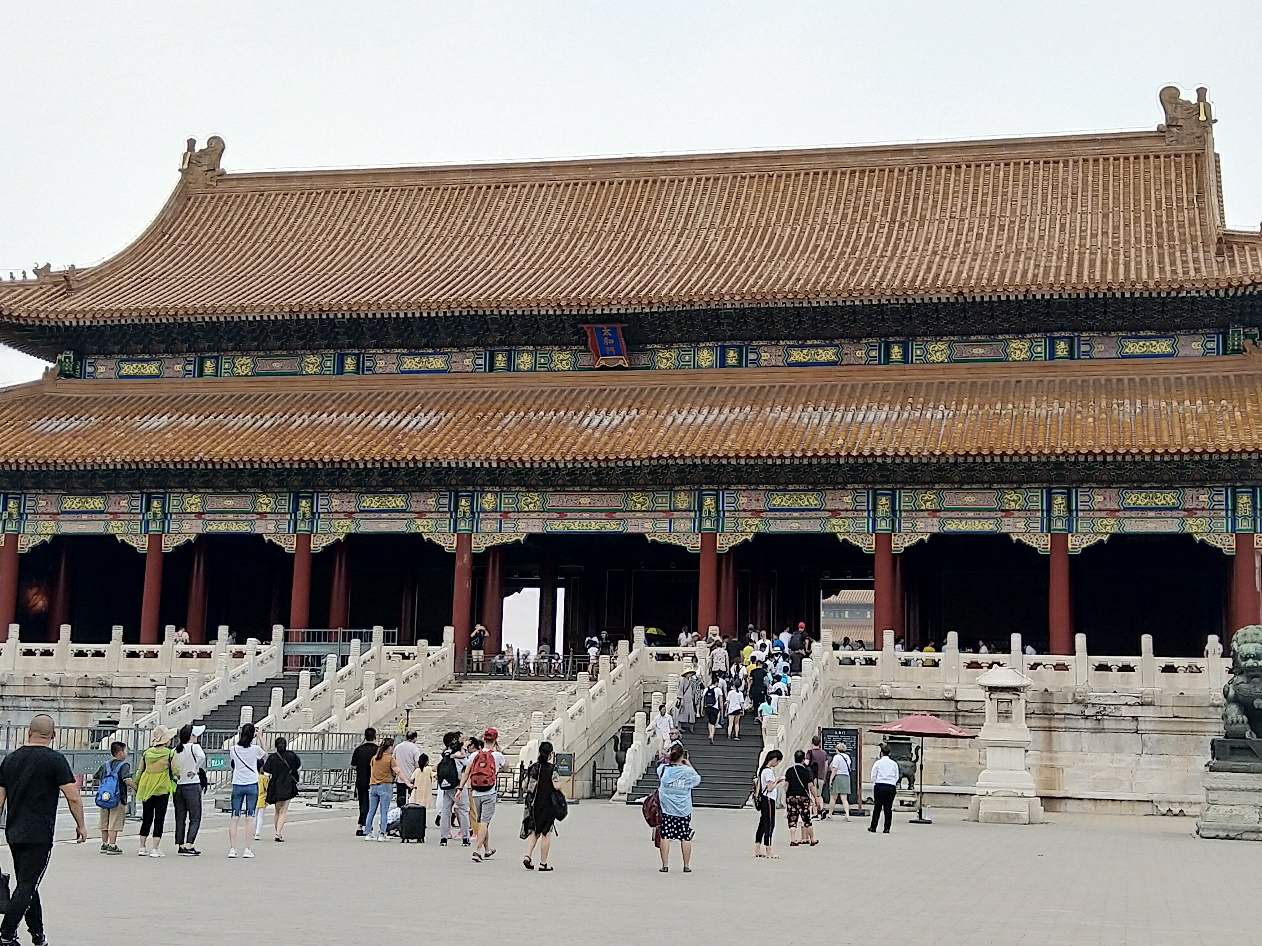
Later, we were taken to the Forbidden City. It is a palace constructed by the Ming Dynasty. Its construction started in 1406 and took 14 years to get the full completion. The Forbidden City is a UNESCO Heritage site. Here the infusion of Culture and Architecture can be witnessed at the best.


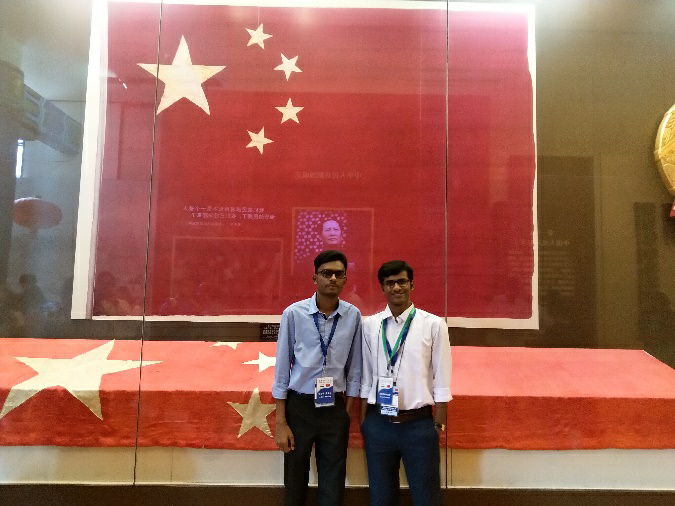
China is very rich in cultural heritage and having the privilege to observe it so closely is something I’ll cherish throughout my life. The Chinese National Museum gave a glimpse of all the major events that shaped the history and future of the People’s Republic of China.

Amidst all the explorations of the city, we received a lecture by the Professor Yang Xiaoping of the National Institute of International Strategy Chinese Academy of Social Sciences.

The theme of the lecture was- “Building a community with a shared future for Mankind and cooperation between India & China.” In the lecture, Mr.Yang ushered about the era of New Socialism in China also referred to the new guiding ideology of Xi Jingping that coined “Chinese Dream” an equal challenge to the concept of American Dream.

The lecture provided a deep insight into how with the guiding principles of classical Marxism fissioned with the New Era of Socialism and thoughts of Mao Zedong has changed the fortune of Economy of China.

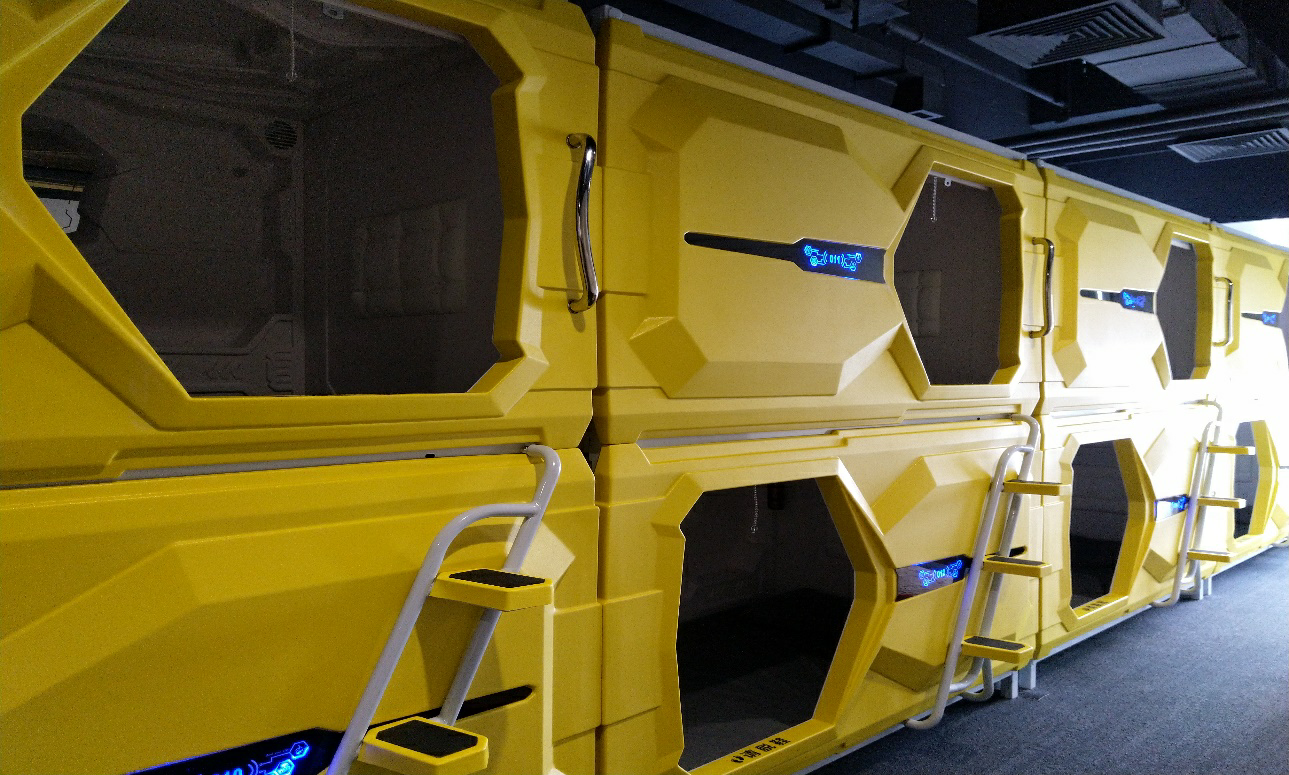
During the delegation, we visited OFO Headquarters in Beijing. One of the amazing things which I found there was, the sleeping rooms. If any of the employees feel the need to take a rest, he can take a nap in the sleeping room. Sleeping pods are put in place there. The major catch here is that one has to work for 8 hours a day with flexible timings i.e. the employee has to put in 8 billable hours at the office.

From art and culture to the technology, China is a country where explorations and awestruck experiences have no ends. While The Great Wall of China is a testament of what human endeavor could achieve, Hubei Provincial Museum hosts the archaeological artifacts of the Chinese emperors and gives the taste of how royalty looked like at this place in the past.

While talking about the technology, nothing could be more mesmerizing than the cars displayed at the Dongfeng Motor Corporation. Dongfeng is a pioneer in manufacturing Hybrid car models. From SUV’s to Multipurpose Utility Vehicles, the needs of all age group have been accommodated. Dongfeng’s self-brand cars are also available which is mainly popular in China. Apart from cars, Dongfeng has its presence in the arms manufacturing industry.

After the visit of the Dongfeng Motor Corporation, we approached the Wuhan Citizens Home. It is basically a Museum that covers the Past, Present and Future aspects of the Wuhan City. The first gallery carries various historical events associated with Wuhan city. One can see all the modern infrastructural development of the Wuhan city through a series of colorful portraits. Timeline for the same is also available therein. Above all the major attraction was the artificial strategic planning center of Wuhan. It is an artificial city model of the Wuhan city located in a large hall type auditorium of the museum.

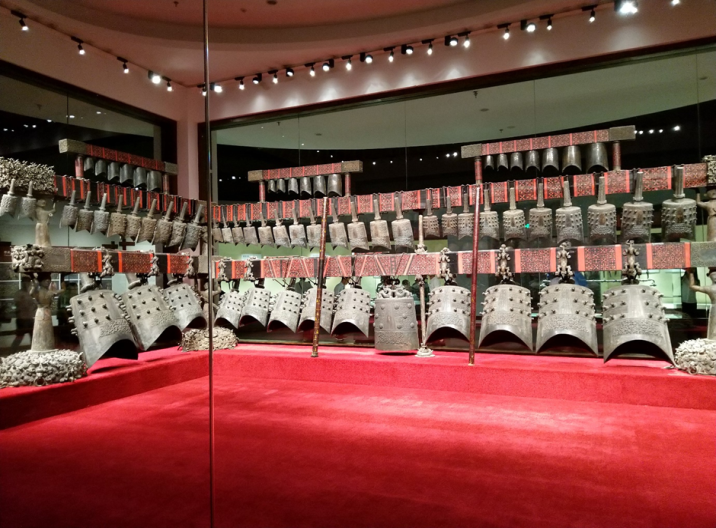
One thing which I noticed in my interaction with people was that the Chinese keep their culture very close to their heart. One of the fascinating things we noticed was the teapots used by the Kings. It was all made from bronze and silver. Ancient Refrigerator was another one. Besides all such attractions, the musical instruments of those periods were the show stealer. We also got the opportunity to watch a Cultural performance which in a way resembles the concert. There the artists produced enormous musical sounds by using various instruments which we had seen in the museum. The show lasted for near about 30 minutes.

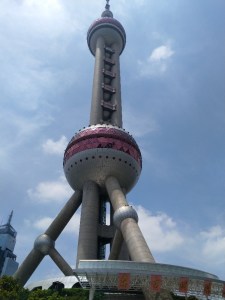
We later got the opportunity to explore Shanghai, the city which is considered as China’s showpiece of the prosperity. In my explorations, I feel the most magnificent structure of the Shanghai city was the Oriental Pearl Radio & TV tower of Shanghai. The tower has fifteen observatory levels. The highest (known as the Space Module) is at 350 m. The lower levels are at 263 m (Sightseeing Floor) and at 90 m (Space City). There is a revolving restaurant at the 267 m level. The project also contains exhibition facilities and a small shopping center.

My major takeaways from the Indian Youth Exchange program to China 2018 are diversity at the workplace is very important, it is Okay to fail, always think as a group, thinking out of the box is important and discipline is key to success. Success is no accident. It is hard work, perseverance, learning, studying, sacrifice and most of all, love of what you are doing or learning to do and this is attitude is quite visible in the Chinese population. I believe experiencing and seeing closely everything as enhanced my learning exponentially and has made me understand the country’s culture to a large extent. In the end, I would like to conclude with the famous Chinese proverb, “Tell me, I forget. Show me, I remember. Involve me, I understand”.

This article is written by S.K. Murshed, PGP Batch 2017-19, IIMKashipur

Never Give Up: From an Average Guy to an Inventor!

It is a true story of mine.

(I had just graduated from my college. The company, I was about to join, had deferred my joining due to the ongoing adverse business conditions. It was very sad & distressing. I needed money. I looked for some other opportunities & with the help of a friend of mine, I secured a temporary role at PepsiCo R&D Center for about 2 months)

July 16, 2015. DLF Cyber City, Gurugram, India. (My First Day at Pepsico, GVIC)

There was a cluster of tall buildings all around. I was not exactly a city boy. I could sense the hustle & bustle of city (read corporate) life, the very moment I came out of Metro Rail. I was literally amazed. Sun shining bright in early morning & reflection of sun-rays from all around by glass panes. I had dreamt of living this life, It was coming true.

Before I could walk further, the sole of my shoe got broken, it was already in withered condition and I had also misplaced my foot over the pavement.

Somehow, I managed & as per the directions received by security guards, I reached the final venue. I was interviewed by a Senior Analyst at the company. He told me, that I had to come up with some solution for the problem, that one of their products was struggling with. Then & Then only, I could join the position, as I was told by him.

I said to myself, What?

I was not able to understand the problem properly & he was asking me to come up with a solution. Also, the problem was a bit related to Electronics & I was a Mechanical Engineer.

I asked myself, what other options did I have?

Answer Came: None.

Then, within a fraction of second, I replied with a big Yes.

Back then, my English Speaking skills were not good. But, it was the first time that I wasn’t afraid to try. I tried. I did better than my expectation & phobia of English speaking.

But then the real struggle started.

I come from a very weak economic background. I had only two shirts & two pants, which I had to wear on alternate days. The office location was around 65 Km from my home. I could use public transportation only. It took 5 hours a day for both ways journey.

My typical day was:

5:00 AM: Leave the Bed | 6:05 AM: Local Train | 7:20 Am: Delhi Metro | 8:20 AM: Sikandarpur | 8:50 AM: Reached Office

6:00 PM Left Office | Same way Back to home, around 9:30 PM & 11:00 PM: To bed.

I had to walk 8 Km in between to save some 40 Rupees a day.

It was frustrating sometimes, I used to cry during rainy nights & blame my conditions and the struggle that I had faced since childhood. But my Mother always supported me and I never gave up. I kept pushing myself.

I didn’t even take a single day leave when I was allowed to take 3 per month.

I made sure, I completed the task given.

Not only did I come up with a solution in 2 months but also prepared a white paper for PepsiCo. Then, It was sent for Patent Approval. During this period, I also undertook many tasks which I was not supposed to do. But I excelled in them also & came up with excellent results.

Yes, I blamed many things but when I worked, I made sure nothing to come in between me & my work.

Giving up was never an option & will never be.

Interesting Part: What did I get in return in this short period of 2.5 months?

(I received this mail a few days back that the white paper (which I filed back then) has been successfully published as a Patent & is listed on the Google Patent’s Site. I just can not express the emotions I underwent. I was smiling. I was all in tears. It was the result of all those hours that I had put in. Every single second, that I traveled to and fro. I hope you can relate to me.)

~ Now, I’m also awarded a title: Inventor!

~ I’m not an intelligent person. I’m an average guy. But, what makes me unique is: I never give up, I work hard. That’s all.

I’m still an average guy! 🙂

~ VST

This article is written by Vishvendra Singh Tomar, PGP Batch 2018-20, IIM Kashipur